

Sakurajima Day Trip Itinerary: What We Did at Kyushu’s Famous Volcano
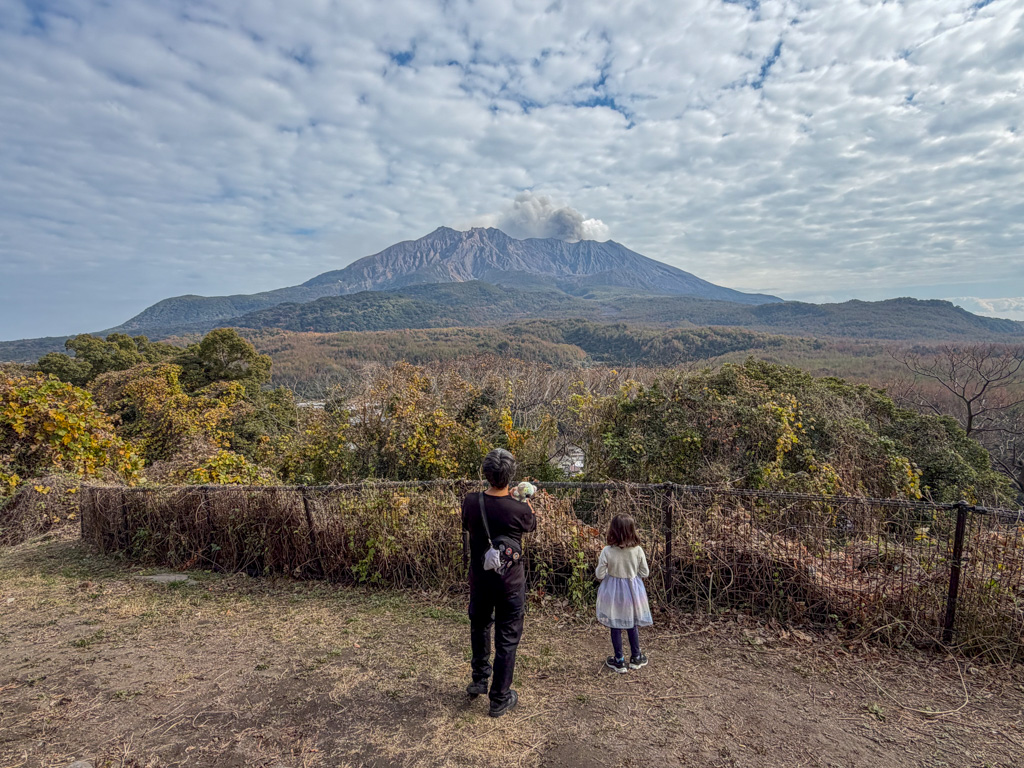
Last Updated on July 17, 2026 by Kay
Thinking of visiting Sakurajima for the day and wondering how to plan your day?
Sakurajima is Japan’s largest active volcano, and you can still see the aftermath of eruptions dating back thousands of years when visiting Kagoshima. And thankfully, although the thought of seeing this famous volcano in Japan might seem intimidating, it’s surprisingly easy.
In this article, I’ll share how my family spent a day visiting Sakurajima so that you can decide what you want to do when you go (and you should).
Is Sakurajima Worth Visiting?
This post may contain affiliate links, meaning I may earn a small commission on any purchases through those links at zero additional cost to you. Whatever I make goes to keeping this website running and I am forever grateful for the support. See my Privacy Policy for more information.
Absolutely!
Sakurajima is less than ten minutes away from Kagoshima city, and it was one of the highlights of my family’s trip to Kagoshima. We honestly expected to spend maybe two hours here (because we had booked a gorgeous ryokan for the night), but we ended up exploring Sakurajima for longer than expected!
And, to be honest, I felt like I could have easily spent even more time here. There is so much to see and do!
But before I get into that, let me cover something very important that every visitor to Sakurajima should know before they go.
Sakurajima Eruption: What to Know Before Visiting
The volcano itself (Sakurajima) is located on Sakurajima, a volcanic peninsula that is part of Kagoshima City, located across the bay from central Kagoshima. Although it used to be an island, lava from the 1914 eruption connected it to mainland Kyushu.
As mentioned earlier, Sakurajima is an active volcano. In fact, as Japan’s most active, it erupts frequently, often dozens to hundreds of times a year. In 2025 alone, JMA recorded 361 eruptions, including 172 explosive eruptions.
However, before you panic, Sakurajima is carefully monitored, and areas that are considered dangerous are restricted when necessary. So while it is an active volcano, visitors are not just left to figure things out on their own, and there are plenty of safeguards in place, especially since people live on the island as well.
Just check the latest volcanic alert level before going and follow any local guidance.
Note that Sakurajima is usually at a volcanic alert level of 3. Level 3 does not usually mean the whole island is closed. It means entry near the crater or mountain area is restricted, so visitors need to avoid off-limits areas. Don’t even try to chance this — if a sign says “off-limits”, it’s off-limits!
Now, Mother Nature is unpredictable sometimes, so I can’t say for certain that Sakurajima won’t have a sudden eruption. However, there are lots of signs here and there pointing to evacuation locations. So take note of these while you travel around the island.
Alright, now that’s out of the way, let’s dive into what I did on my day trip to Sakurajima. Although I visited with my family, I think this itinerary can be followed by anyone, whether they’re solo travelers, friends, or couples.
Our Sakurajima Day Trip Itinerary
After my family visited Kagoshima City Aquarium, we took a ferry to Sakurajima at around noon from the port right next door. We didn’t book our ferry tickets in advance and, thankfully, were able to board 10 minutes before departure with our car! The ferry runs around every 20 minutes, so we felt very lucky to be able to get on at the last minute.
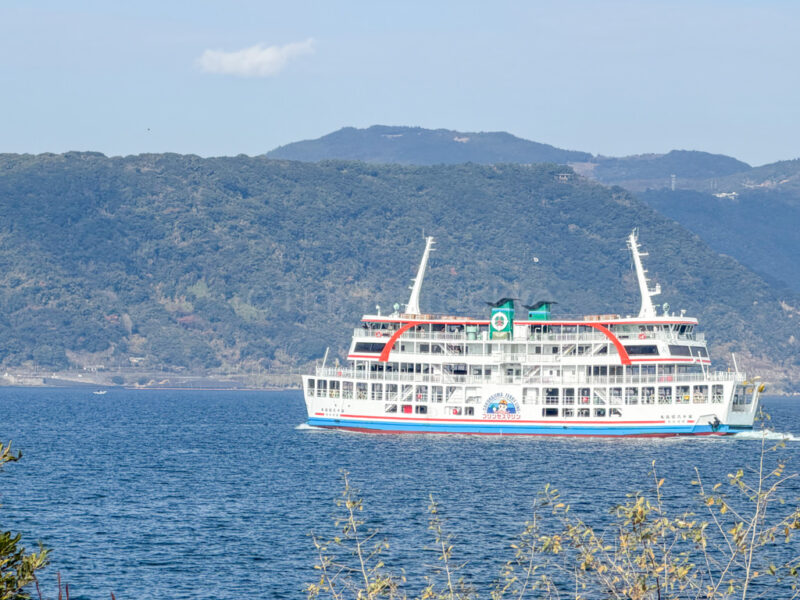
Do you need a car for Sakurajima? Well, it makes it easier to explore the island, but there are buses that will take you to popular sightseeing spots.
If you’re interested in renting a car, I suggest reading this article, which covers where to rent and helpful tips about driving in Japan.
If you take the Sakurajima Ferry with a car, the fare depends on the length of your vehicle. A regular passenger car is usually ¥2,350 one-way, while a kei car is ¥1,700 one-way. The driver’s fare is included, but other passengers need to pay separately.
Without a car, the ferry costs ¥250 one-way for adults and ¥130 for children. One preschool-aged child can ride free per accompanying adult. Notably, if you’re coming from Kagoshima, you pay for the ferry after you arrive on Sakurajima (not before). If you’re leaving Sakurajima, you pay before boarding the ferry back.
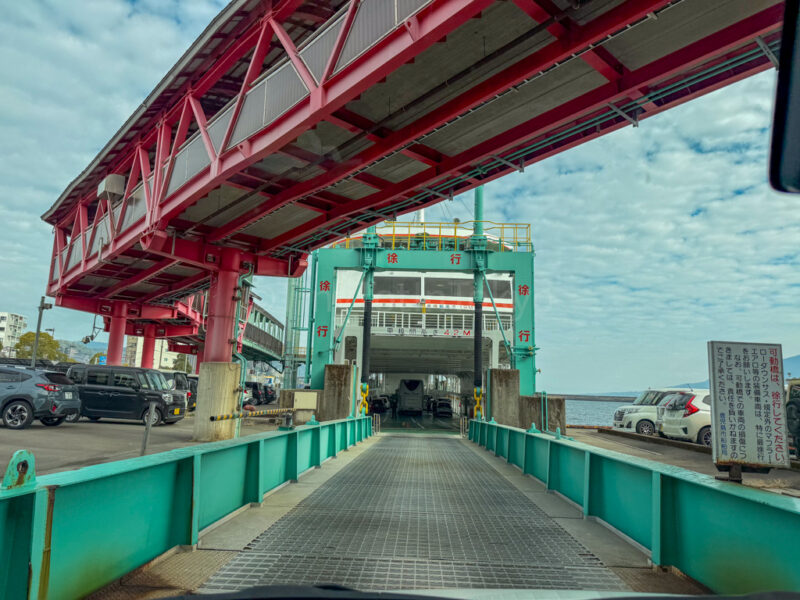
After we boarded the ferry with our car, we got out and walked up the stairs to the passenger cabin.
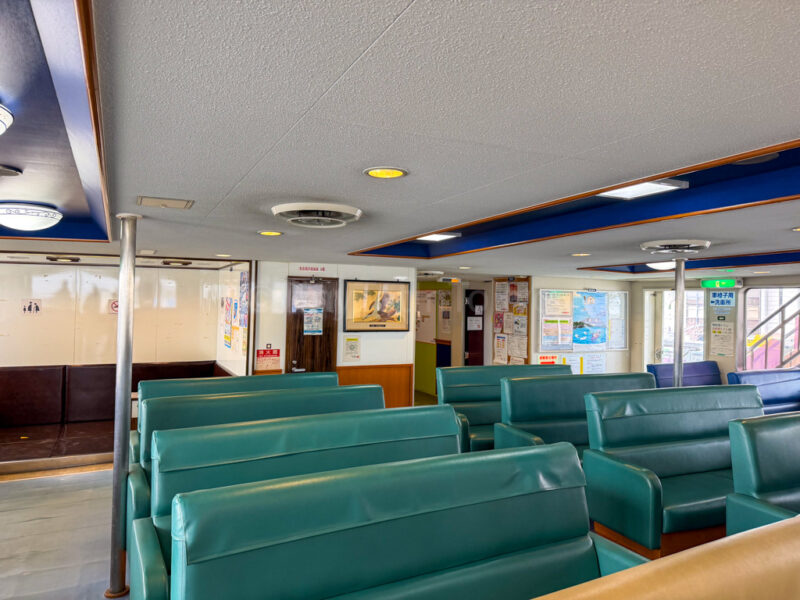
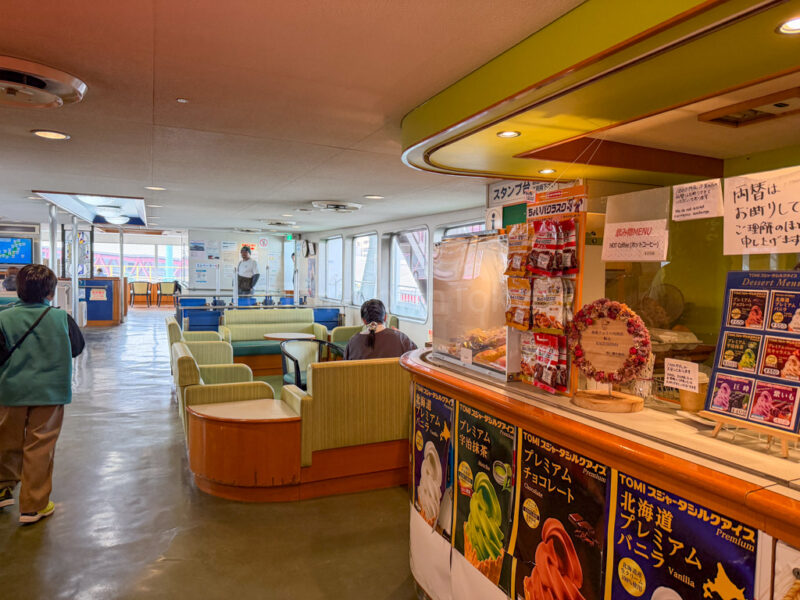
The cabin for the Sakurajima ferry was more impressive than I expected! There was counter seating as well as a sofa-style seating area where you can relax and see Sakurajima as you approach.
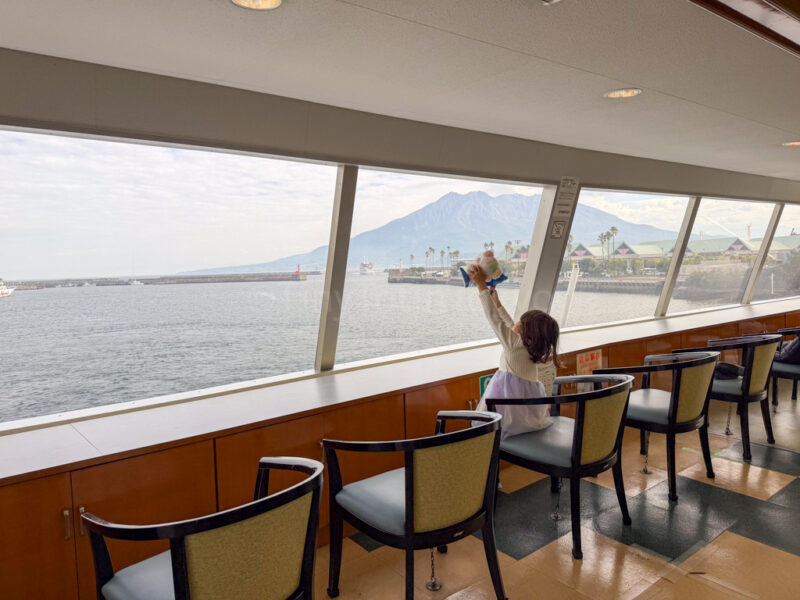
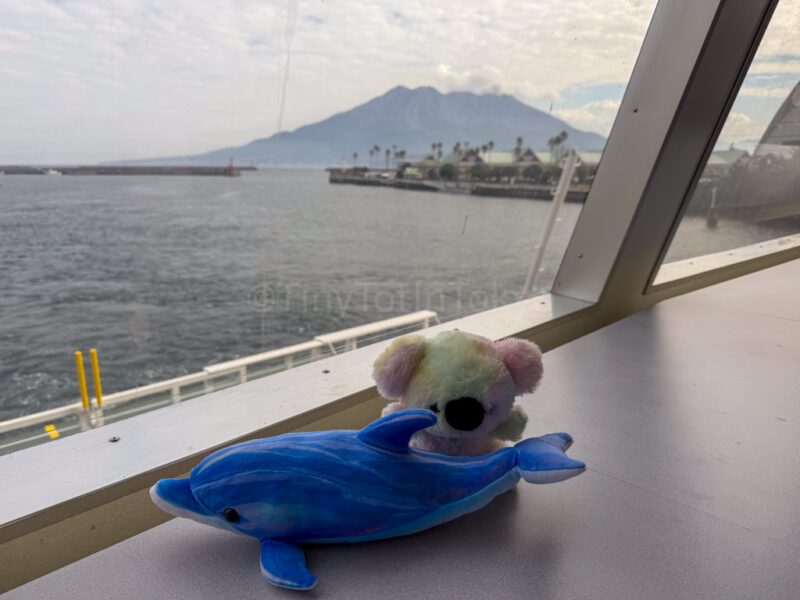
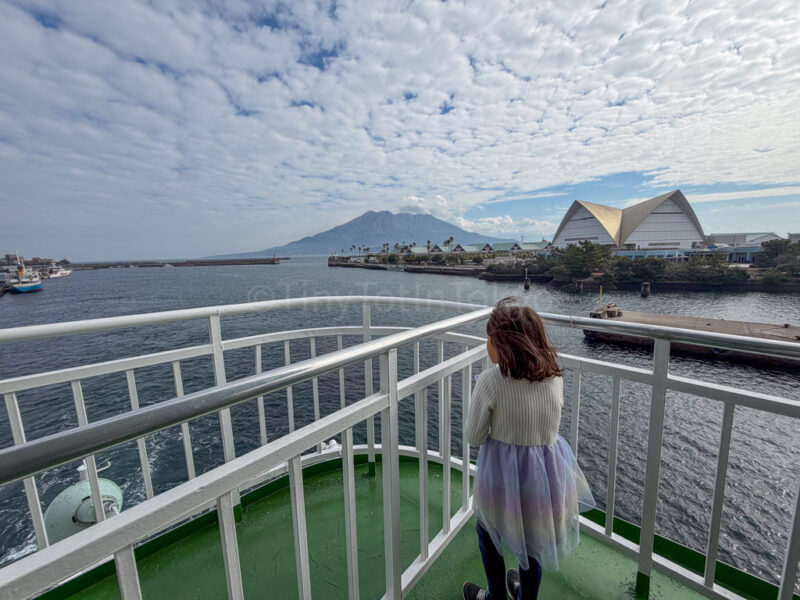
We tried standing outside as well but the sun and wind made it a bit unpleasant, so we went back inside.
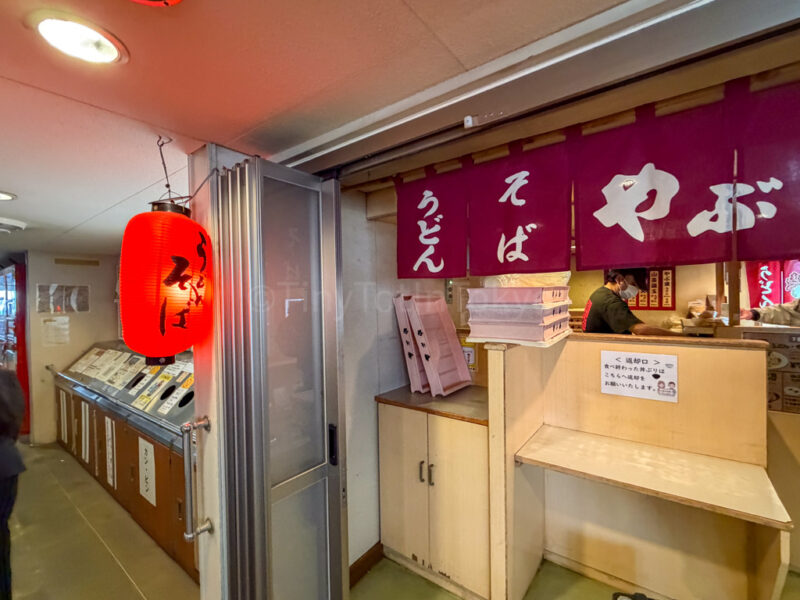
Surprisingly, there’s an udon and soba shop inside the ferry where you can enjoy a quick bowl of noodles while standing.
If you want something sweet, there’s a store selling soft serve ice cream and other snacks as well.
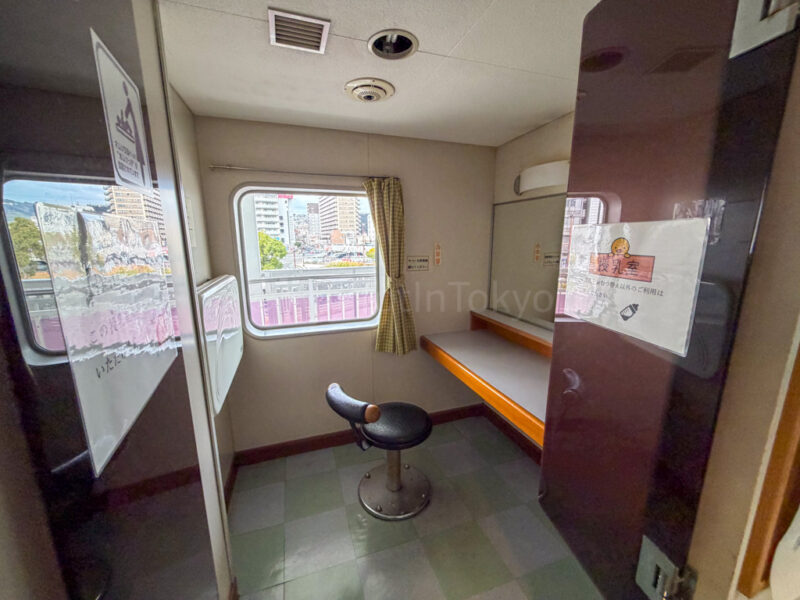
There is also a breastfeeding room for passengers with babies.
The entire ferry ride took only 15 minutes, and we thoroughly enjoyed our time during the leisurely ride. If you’re driving, make sure to return to your car before the ferry docks, as you don’t want to block other drivers from getting off.
Getting Around Sakurajima
As mentioned earlier, you can take a bus while you’re on Sakurajima. The Sakurajima Island View bus is an easy way to see Sakurajima without a car. A single ride costs ¥230 for adults and ¥120 for children, but if you plan to get on and off, the 1-day pass is a better value at ¥500 for adults and ¥250 for children.
You can also rent a bicycle from the following places:
Sakurajima Visitor Center: rents cross bikes. Reservations are not available, so it is first-come, first-served on the day. It is about a 10-minute walk from Sakurajima Port.
Sakurajima Car Rental / Rental Cycle: near Sakurajima Port, about 1 minute on foot. Regular bicycle rental is ¥400 per hour, and electric bicycles are ¥800 per hour. Payment is cash only.
Hotel Rainbow Sakurajima: rents E-bikes, with rental hours listed as 9:00 AM to 5:00 PM. E-bikes cost ¥5,500 for up to 3 hours, then ¥1,000 per additional hour, including a helmet. (And yes, this is one of the only hotels where you can stay overnight on Sakurajima! Another option is )
This Sakurajima half-day tour is a good option if you want to see the island’s main sights without figuring out the ferry and bus on your own. It includes places like Yunohira Observatory, Nagisa Park Foot Bath, Tsukiyomi Shrine, and the Sakurajima Visitor Center.
If you’re visiting with kids, the Kagoshima family-friendly tour is a longer option that includes Sakurajima, simple sightseeing, snacks, drinks, and lunch, which may make the day feel easier if you do not want to plan and handle everything yourself.
What We Did on Sakurajima
After getting off the ferry in our car and paying the fare for the ferry, we decided to first go to Sakurajima Natural Dinosaur Park. Although we mainly went for our daughter (age six at the time), I thought this park was amazing! I really think it’s worth visiting even if you don’t have kids.
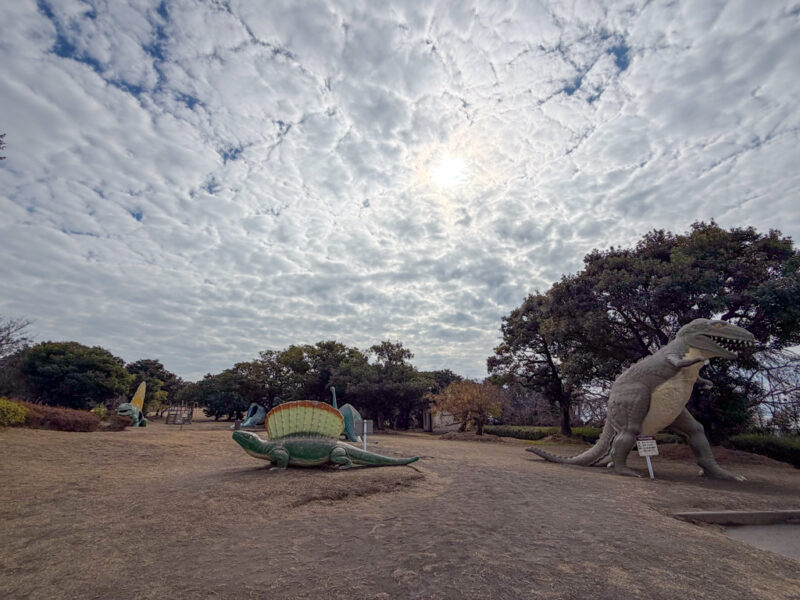
There are lots of Showa-style retro dinosaur statues here, which make amazing photo ops. Some playground equipment is also attached to these dinosaurs, making it especially fun for kids.
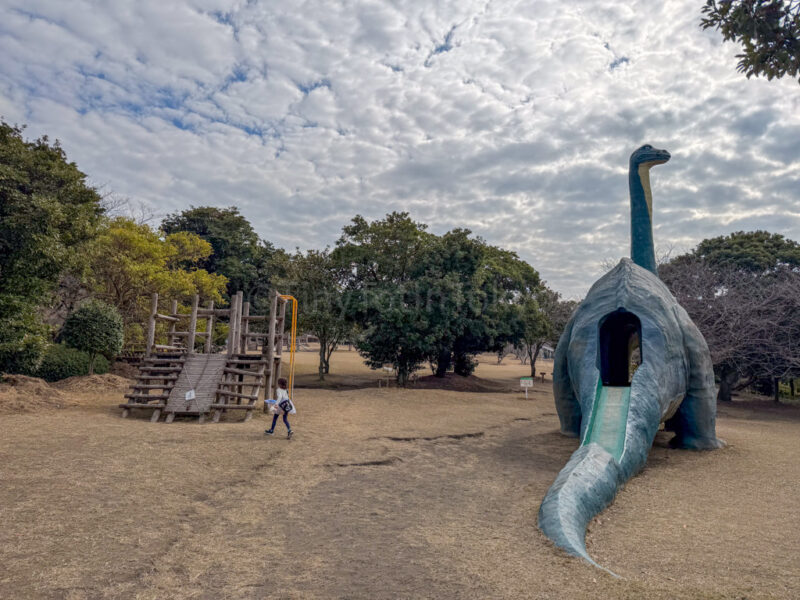
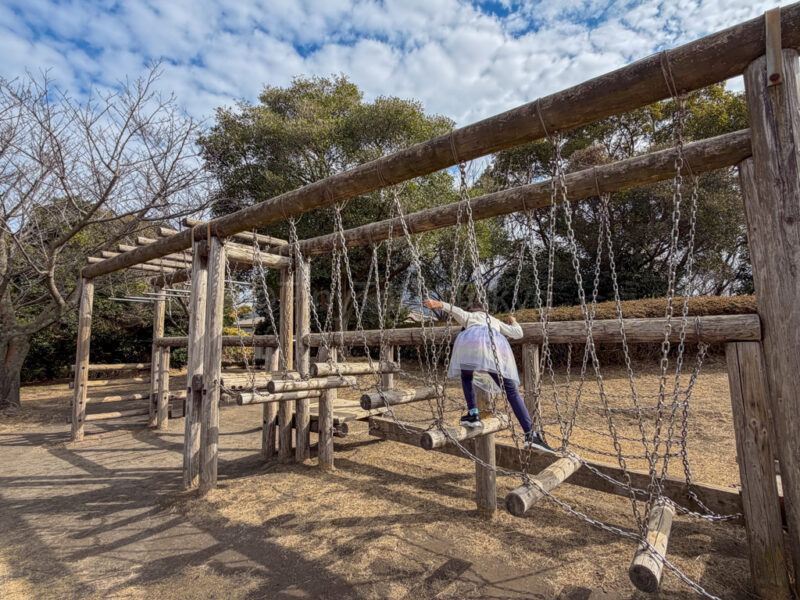
My daughter loved all the space and playground equipment, and my entire family appreciated that it wasn’t crowded whatsoever. In fact, at some points, we were the only people there!
There is a huge roller slide here, and although it’s not the smoothest journey down, the view from the top is amazing!
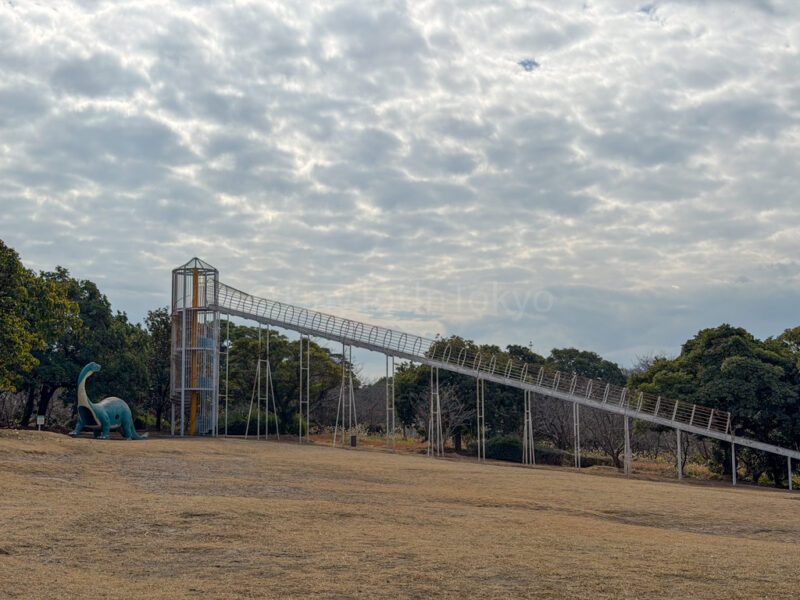
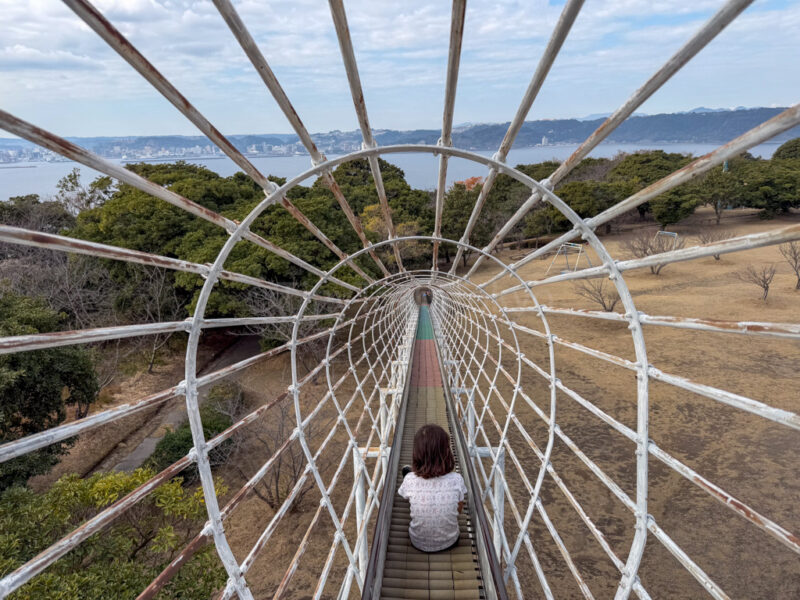
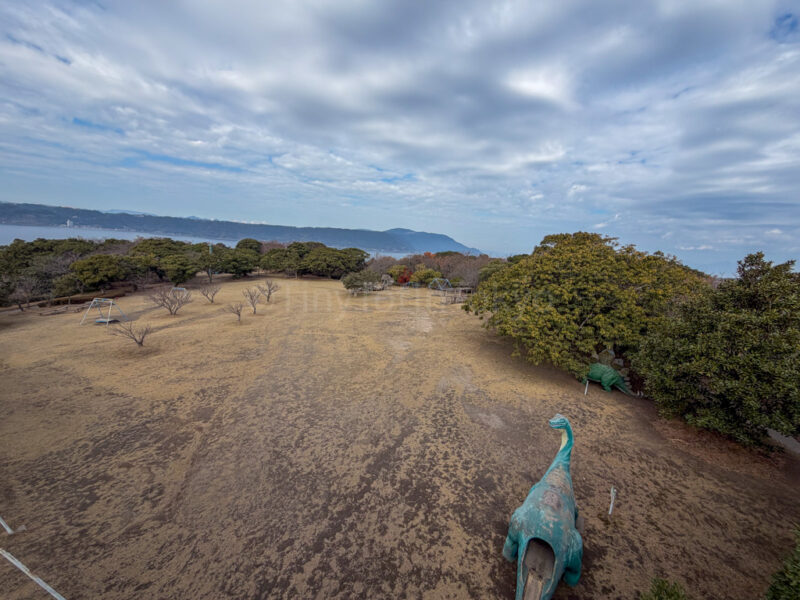
I honestly thought this was one of the coolest playgrounds I’ve ever been to in Japan, and this is saying a lot since I’ve lived here for almost two decades! (And you’ll be happy to know that there are washrooms right next to the park’s parking lot.)
Make sure to also check out the small building at the back of the park. It’s an observation deck that has old paintings of Sakurajima, as well as a stunning view of the volcano itself!
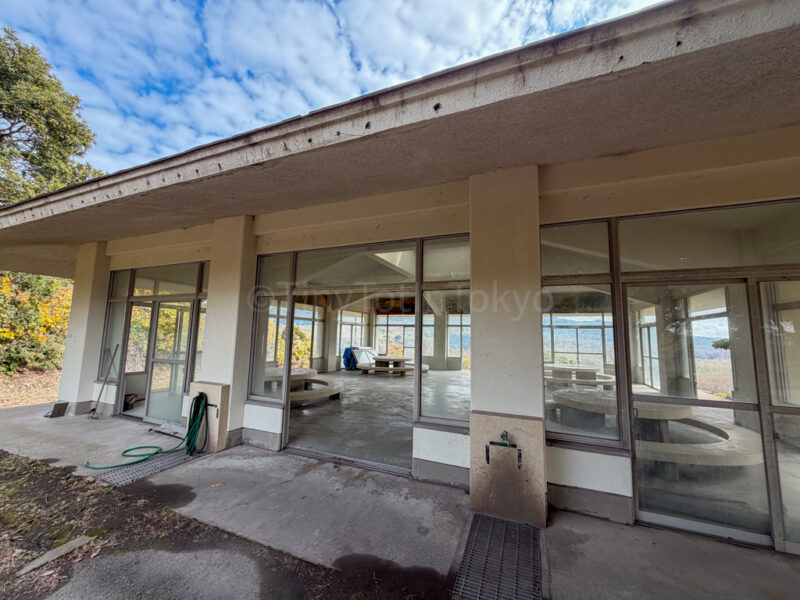
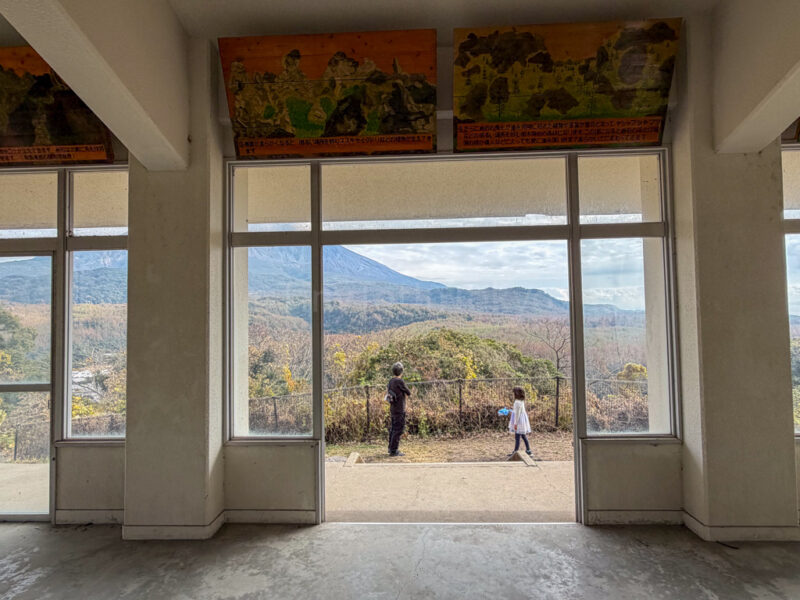
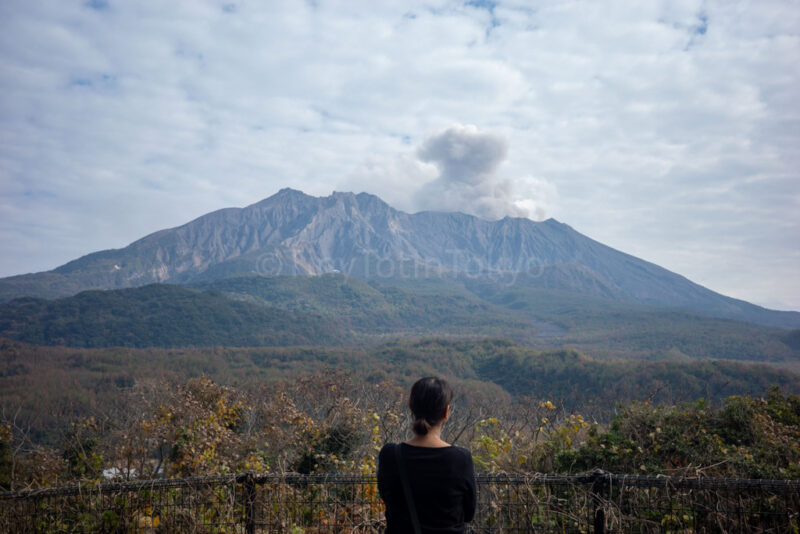
We spent about 30 minutes here.
Tsukiyomi Shrine
A short drive away from the dinosaur park is Tsukiyomi Shrine. This is a very small and quiet shrine but looks can be deceiving, as Tsukiyomi Shrine is considered the main shrine of Sakurajima. It is said to have around 1,300 years of history and is an easy stop since it’s only a short walk from the ferry terminal (it was moved to its current location after the 1914 Taisho eruption).
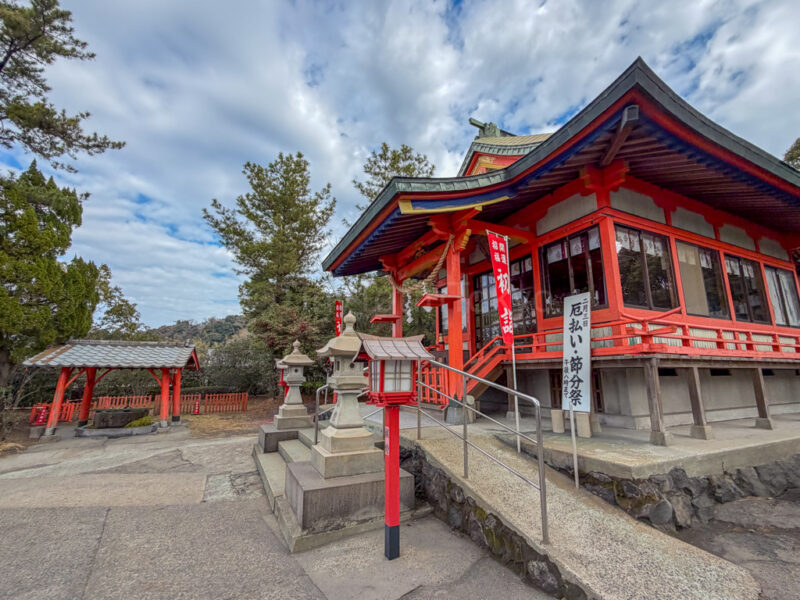
We prayed to the Shinto gods and I made sure to get a goshuin from the shrine, which felt really special since it was from a shrine located near a volcano!
We also went up a small flight of stone steps to see the view of the port as well as Sakurajima. Although the view was nice, I thought the Dinosaur park’s observatory was better.
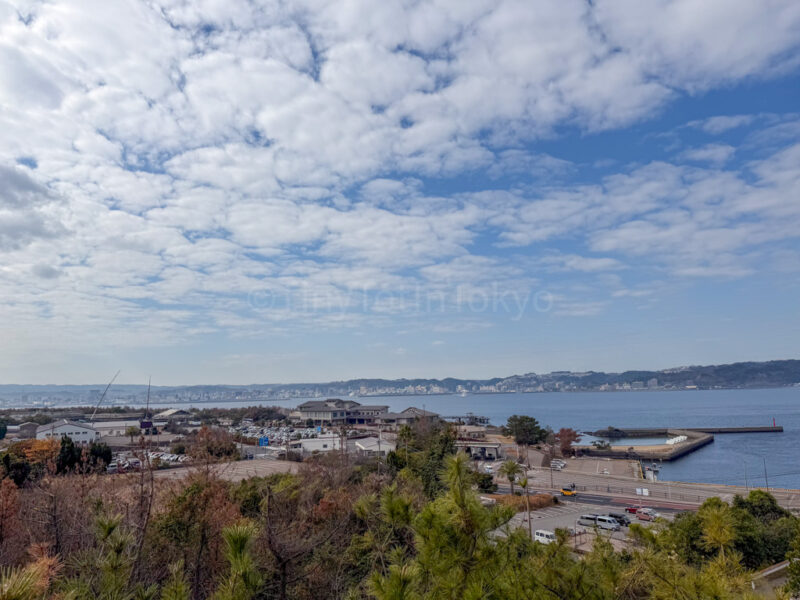
I don’t think this shrine is a must-visit location on Sakurajima, as we only spent 10 minutes here, but it’s worth stopping by if it’s on your way, especially since it’s only 3 minutes on foot from the ferry terminal.
Quick Lunch Break
After the shrine, we stopped by this Sakurajima Burger shop for lunch and grabbed it to go since we were on a tight schedule.
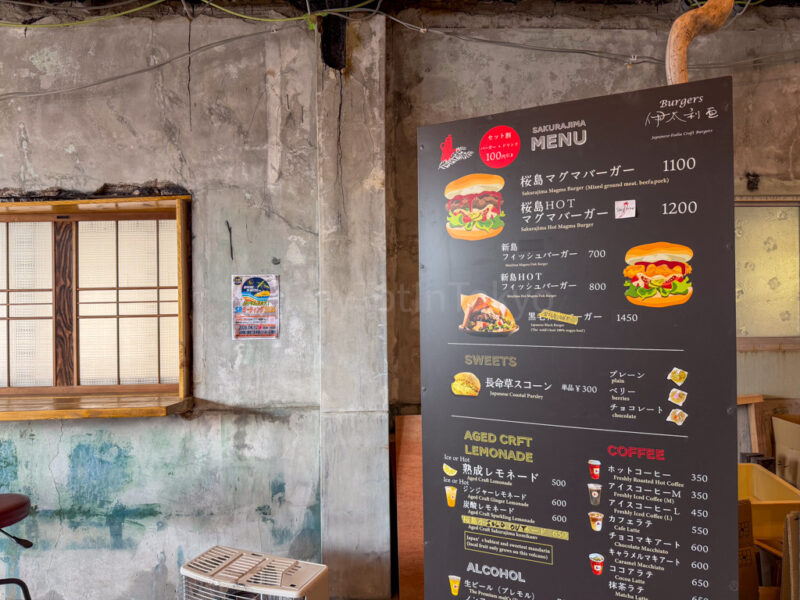
Let me tell you, this burger place was so unbelievably good! I got the Sakurajima Magma Burger, pictured above, and holy moly, I don’t think I’ve had a burger this good in Japan in a long time. It was so juicy and flavorful, my mouth is watering just remembering it. And it wasn’t spicy, which meant I could share it with my daughter.

If I am ever traveling in Sakurajima again, I will absolutely come back here, and perhaps take the time to dine inside rather than get take-out.
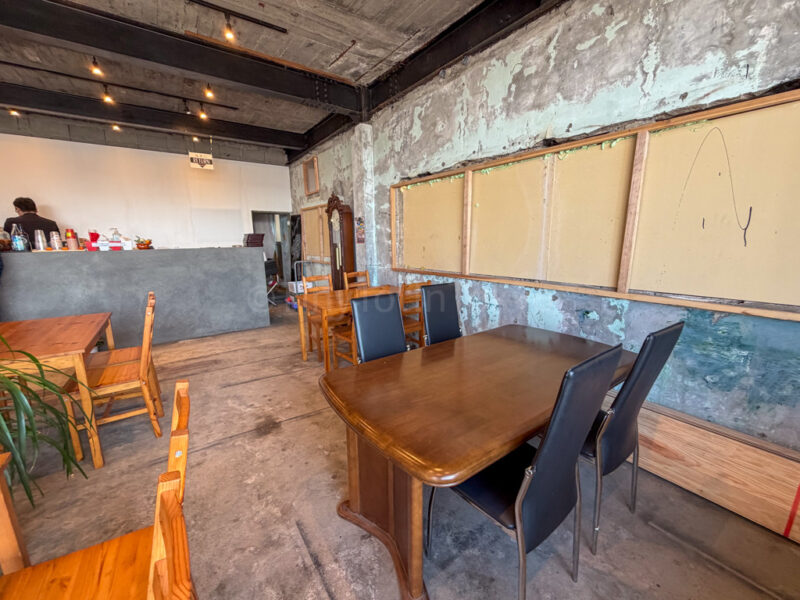
Just know that it’s a one-man operation (the owner is super friendly, too), so it might take a little time to get your food. But it is oh so worth it.
Sakurajima Yogan Nagisa Park
Once we were stuffed, we headed to Sakurajima Yogan Nagisa Park. Located a short walk from the ferry terminal, this park features free foot baths (ashiyu) that have the best view of Sakurajima in the background. We spent some time here warming up our feet while admiring the volcano. Make sure to bring a small towel with you if you plan to use this foot bath!
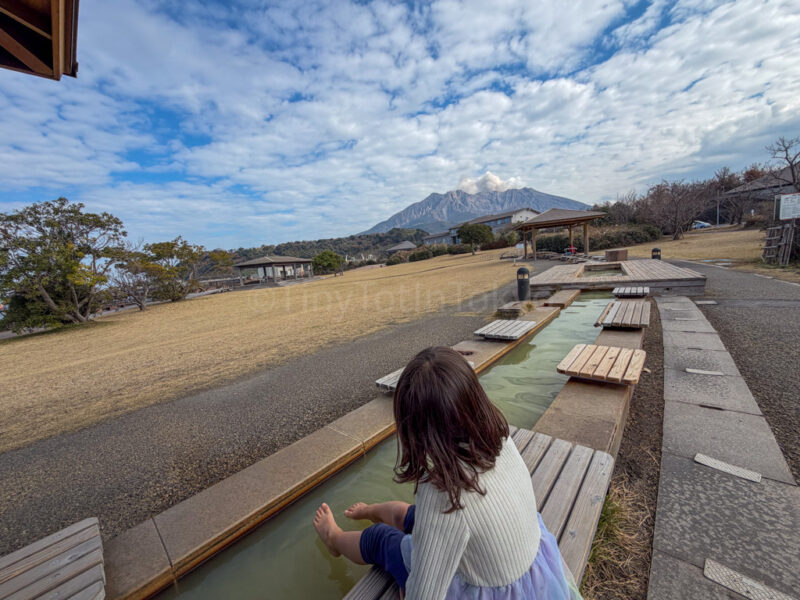
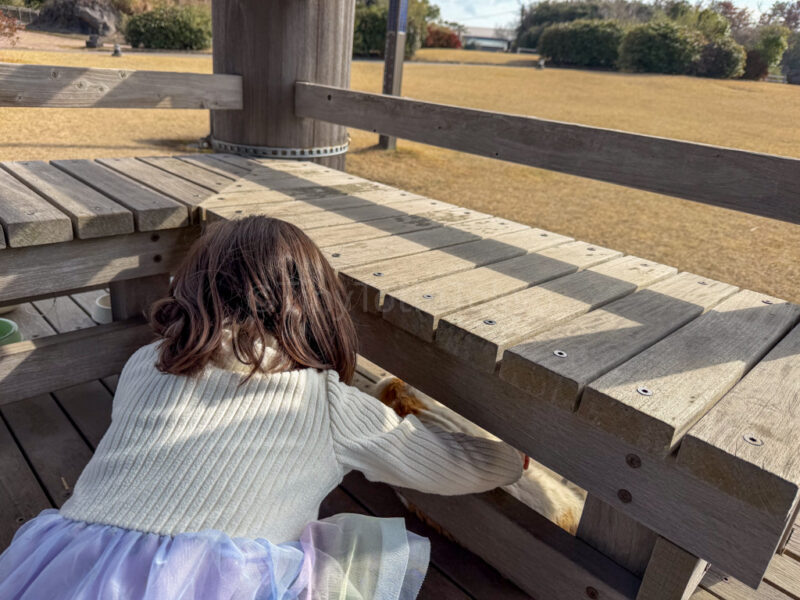
When we were close to done, my daughter spotted a cat and quickly dried off her feet so she could go up to the cat and pet it. We would soon discover lots of cats in this area, as well as around Sakurajima itself, so if you like cats, this is the place for you.
There are footbaths overlooking Kinko-Bay, too, if you want to relax with another view.
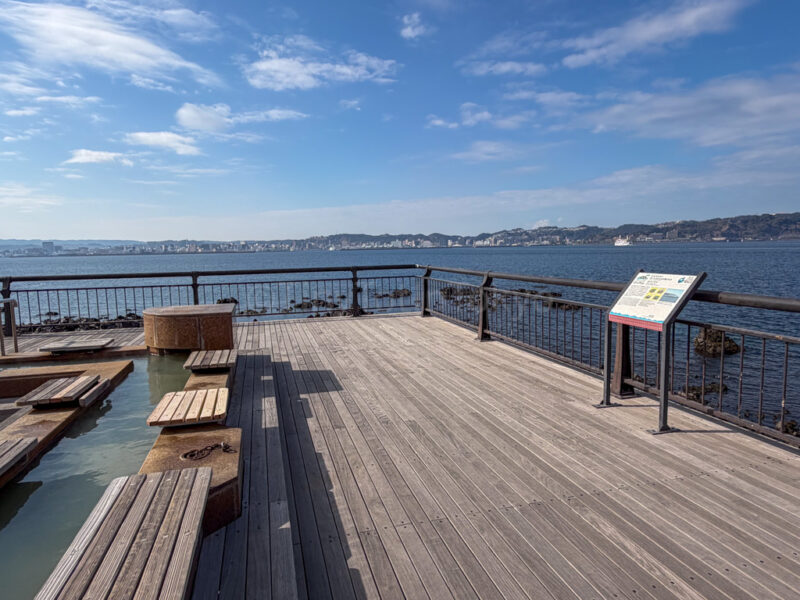
We then took a brief walk along the Yogan Nagisa Trail in Sakurajima Kinkowan Geo Park. Here we could see Kinko-Bay as well as lots of volcanic rocks and other volcanic formations, which were super cool to see. If you’re lucky, you can see dolphins here, too, but we didn’t. Granted, we only spent 30 minutes here as we had a schedule to keep.
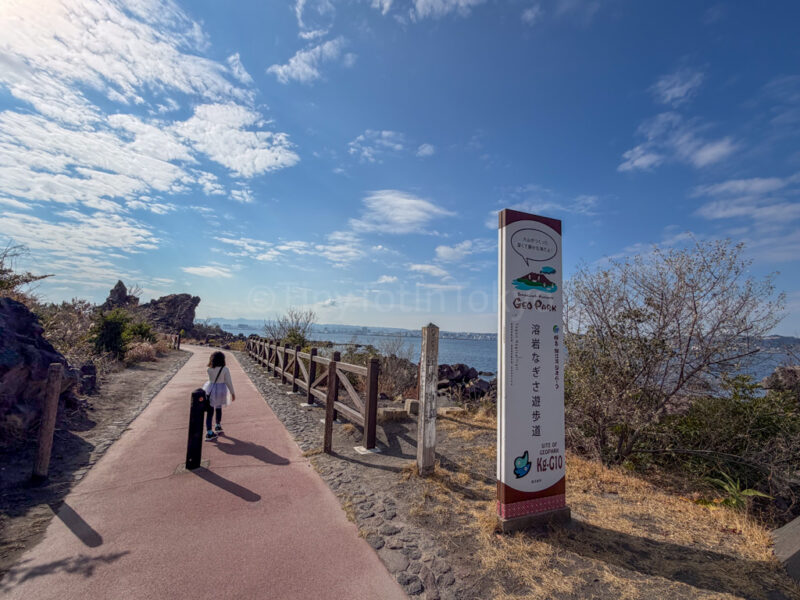
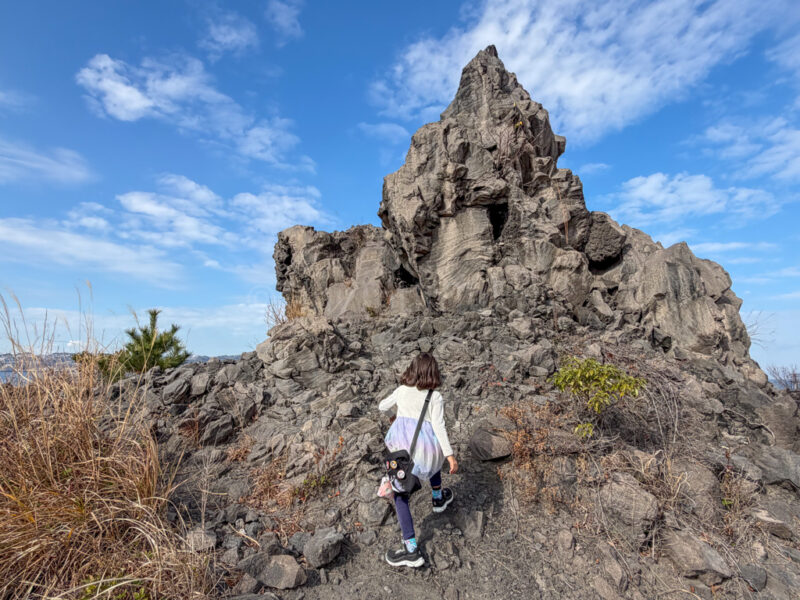
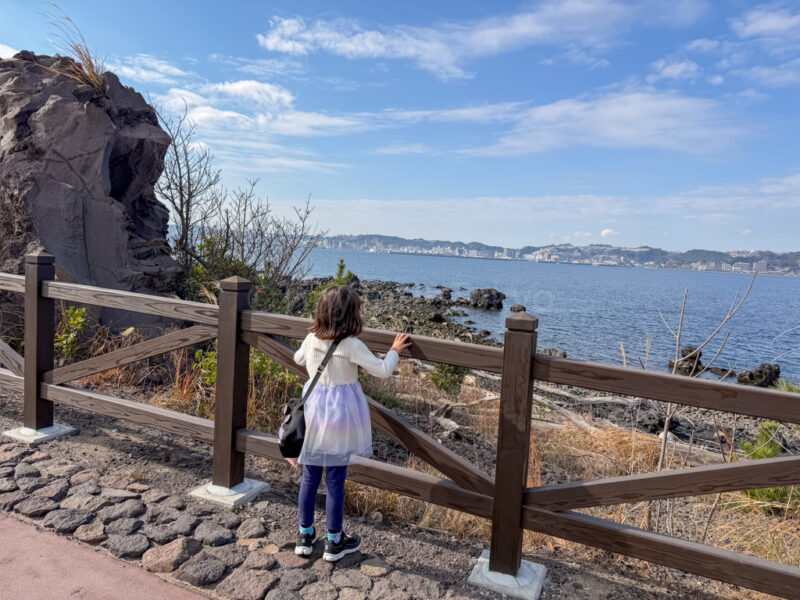
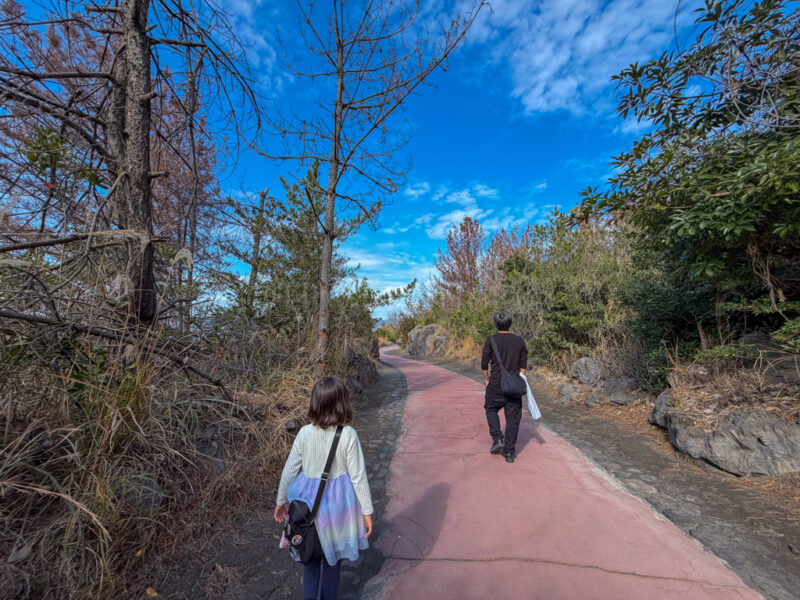
The trail is paved and there aren’t any stairs, so it’s easy for visitors of all ages to enjoy. My daughter did get tired, though, and her father carried her for the last ten minutes of the walk on the way back.
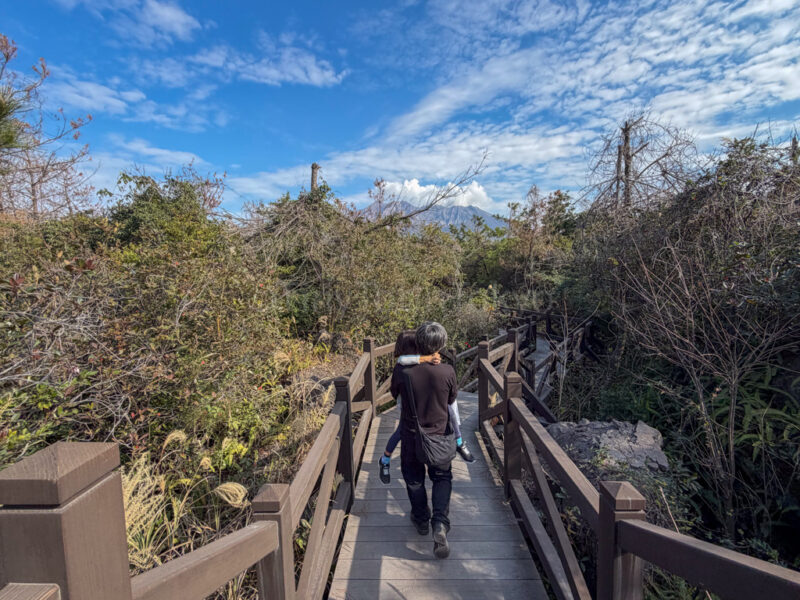
We only went midway down the Yogan Nagisa Trail before turning back to go to the Sakurajima Visitor Center.
Sakurajima Visitor Center
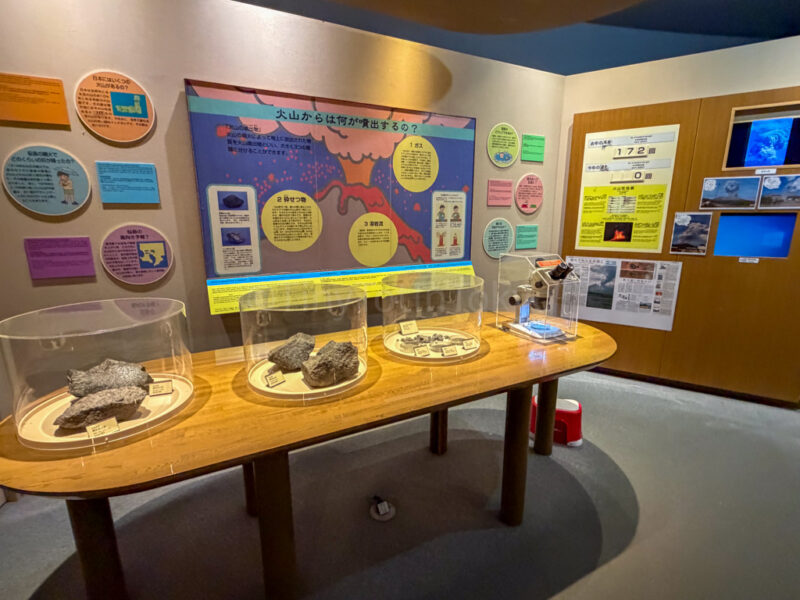
The Sakurajima Visitor Center is a great place to stop in to learn about the volcano and its history for free through interactive displays. They also have a seismometer and an infrasound sensor that show you real-time data about the volcano.
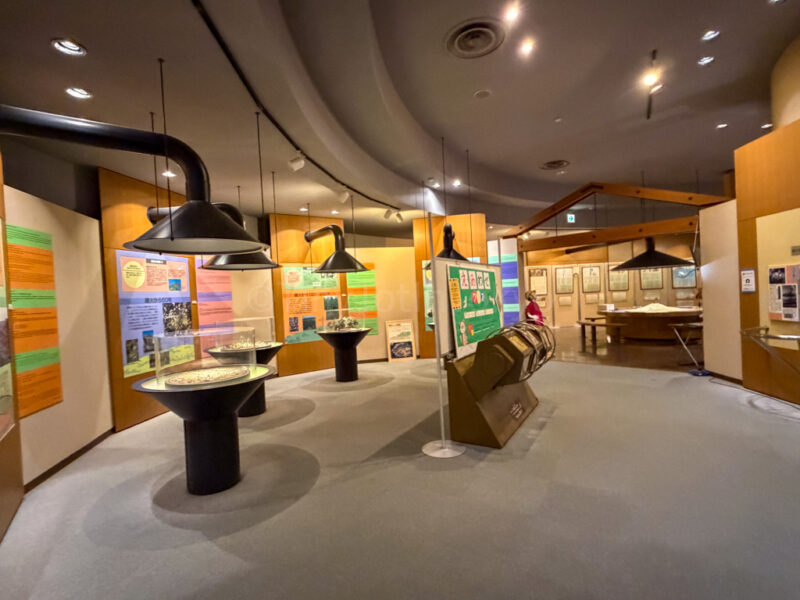
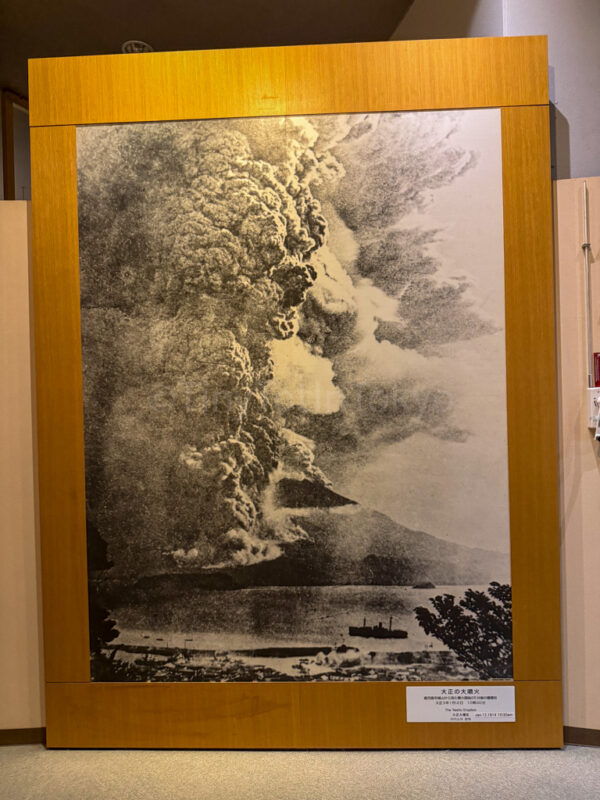
My favorite part of the visitor center was the old photos of the volcano eruption, some dating back over a century ago.
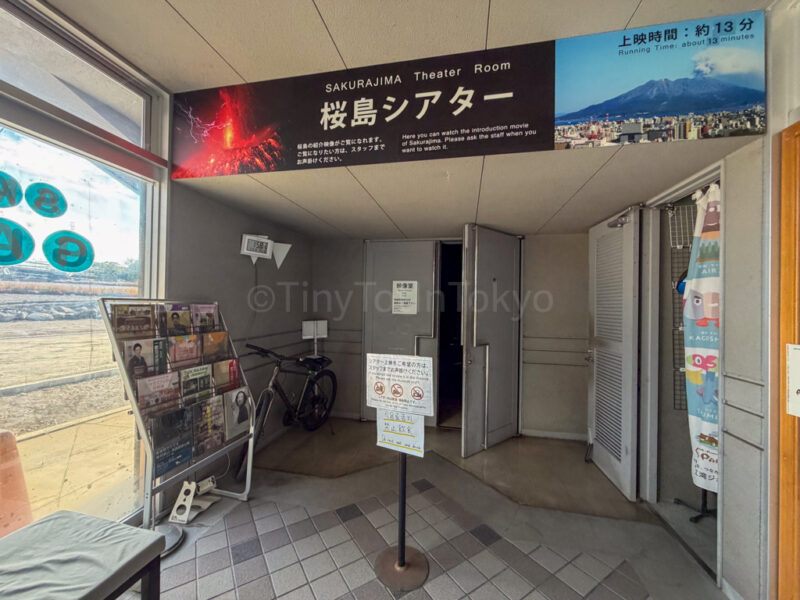
If you have time, you can watch a 13-minute video about Sakurajima in this small theatre in the visitor center.
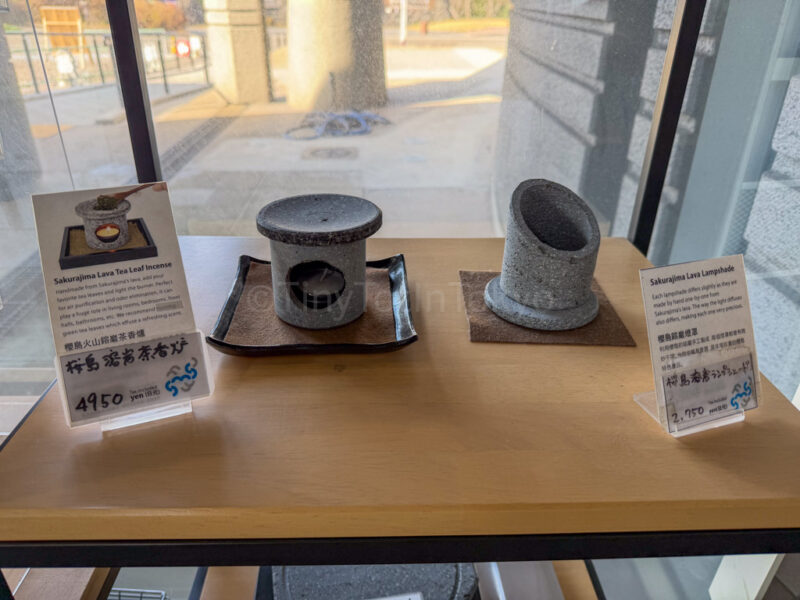
I also liked the souvenir shop, which had interesting items for sale like hot plates, lampshades, and incense holders made from Sakurajima’s lava.
You can also buy volcanic rocks and a collection kit for putting volcanic ash inside. (Just be careful when you’re filling it up outside because sometimes the cats use this ash as a litter box!) Granted, if you’re visiting from abroad, it might be safer to avoid buying rocks or collection kits as you might not be allowed to bring them back to your home country.
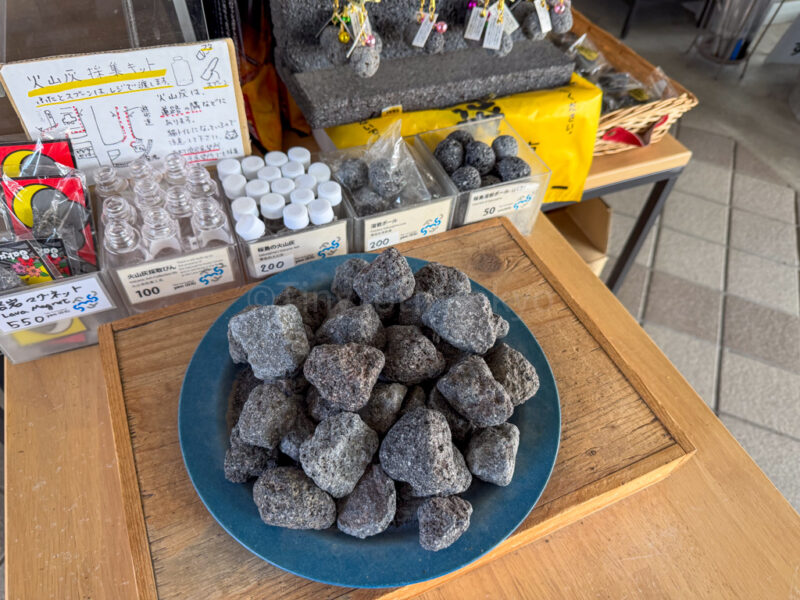
In total, we spent 15 minutes in the visitor center. As mentioned earlier, you can rent bicycles here, or board the Sakurajima Island View bus, so you may want to make this your first stop when you arrive on Sakurajima!
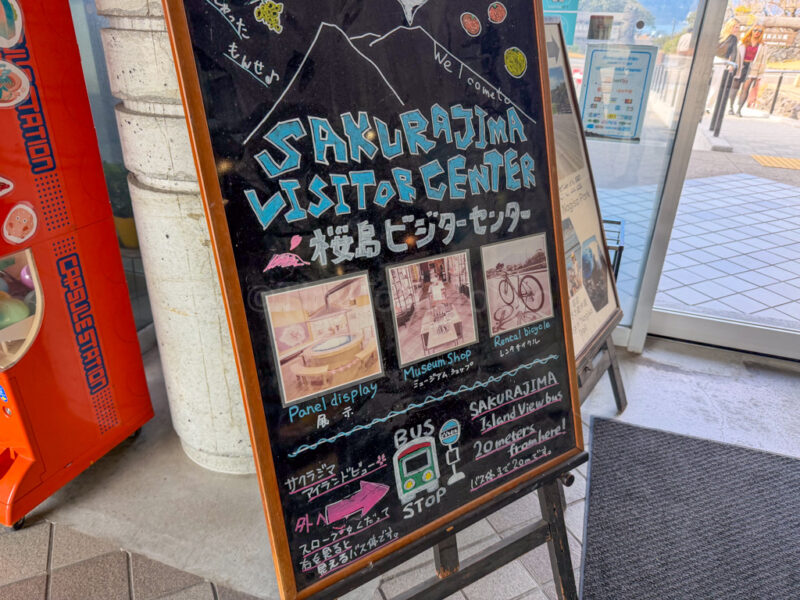
Yunohira Observation Deck
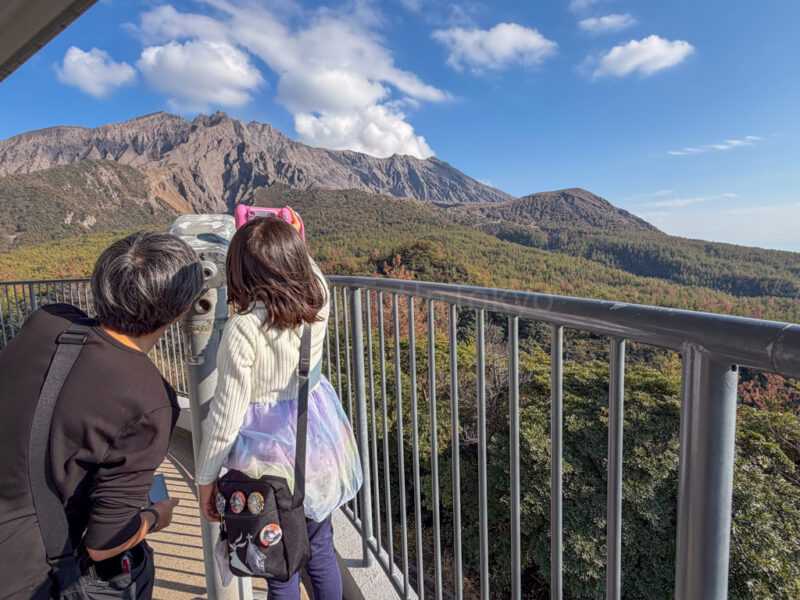
The Yunohira Observation Deck gives you a close-up view of the Sakurajima volcano. My pictures do this observation deck absolutely no justice. It is truly stunning.
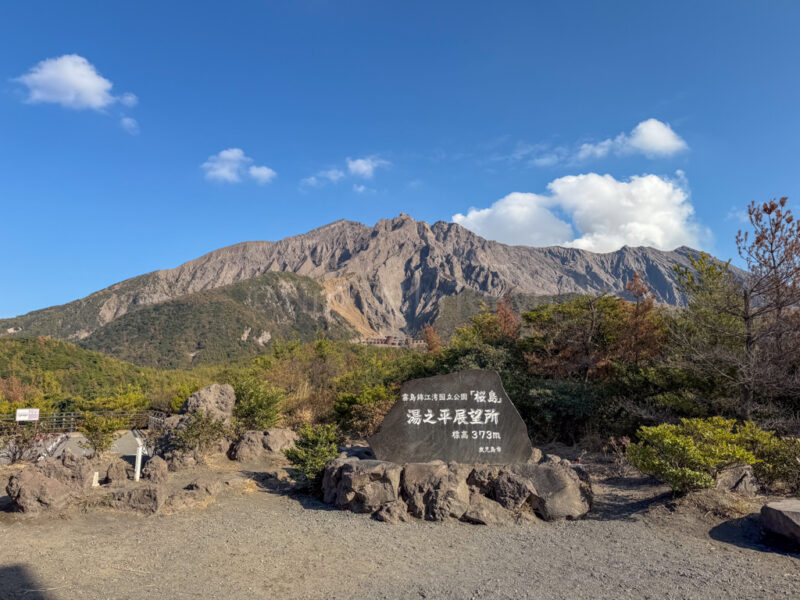
You can’t see the smoke directly coming out from the volcano since it’s located on the other side. But this was a good thing since the volcano wasn’t covered in dark smoke.
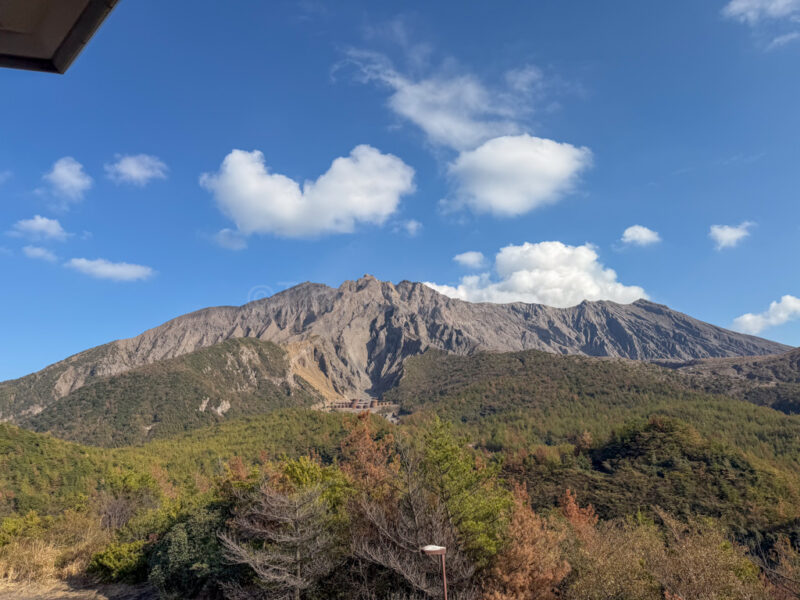
Notably, there are some binoculars here that you can use for free to take an even closer look at the volcano.
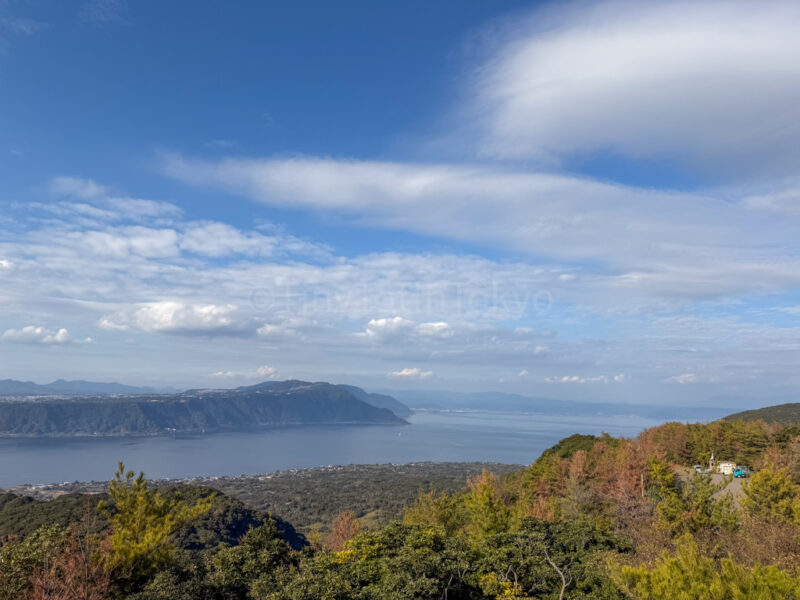
And on the other side of the observation deck, you’ll find a stunning view of Kinko Bay.
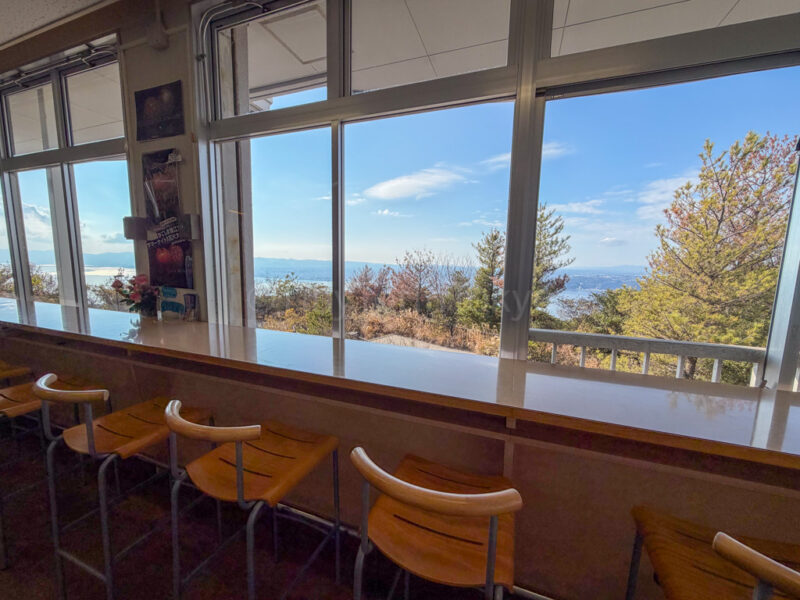
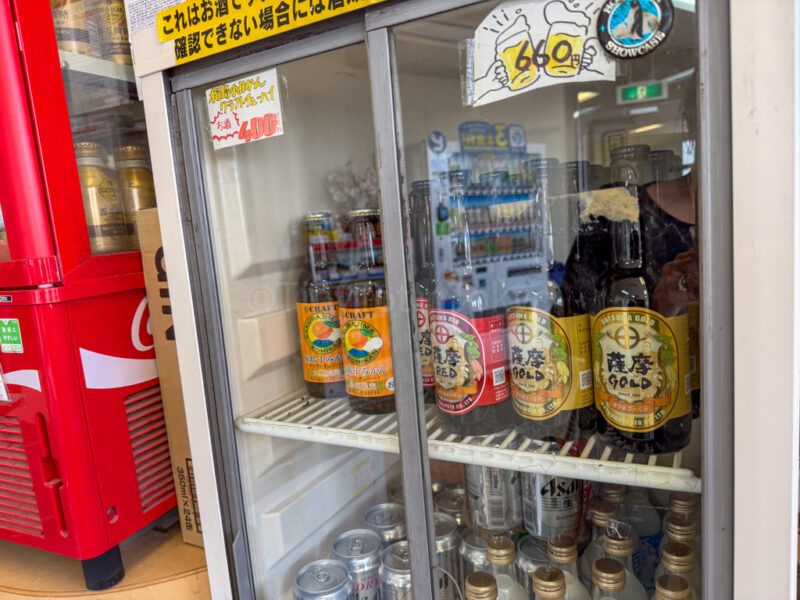
There’s also a small shop at this observation deck where you can buy some local beers and enjoy the view of the bay from some counter seats.
And on the way back to the car, my daughter found another cat, which was a nice surprise. The cats here look so healthy and well taken care of, so I didn’t mind letting her get up close and giving the kitty a little pet or two.
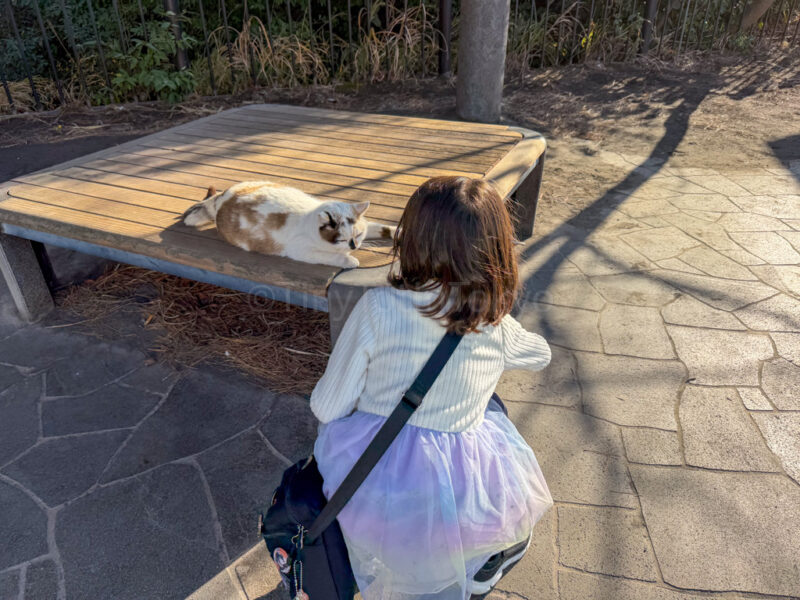
We spent about twenty minutes at Yunohira Observation Deck.
Ougaku Togei
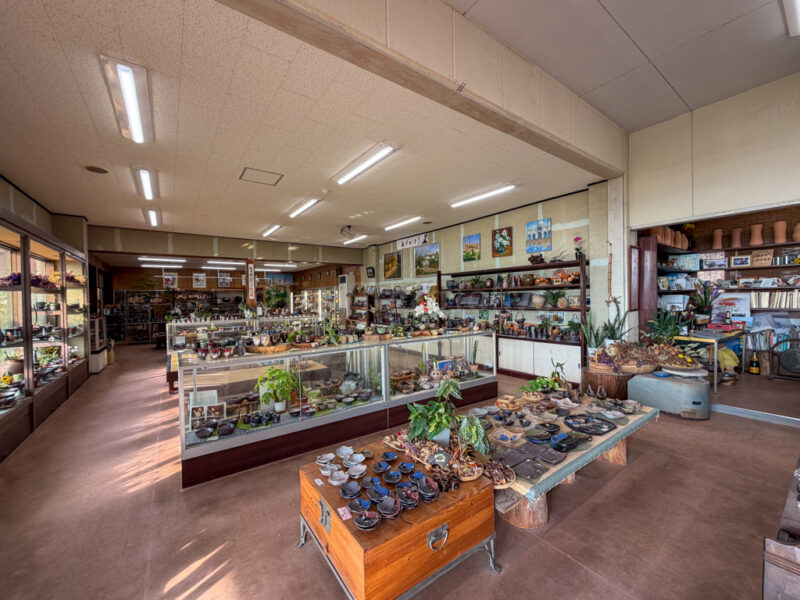
Ougaku Togei is a pottery shop that we decided to visit on the spur of the moment. I wanted some pottery made with Sakurajima’s volcanic ash, and this store looked like it had a great selection.
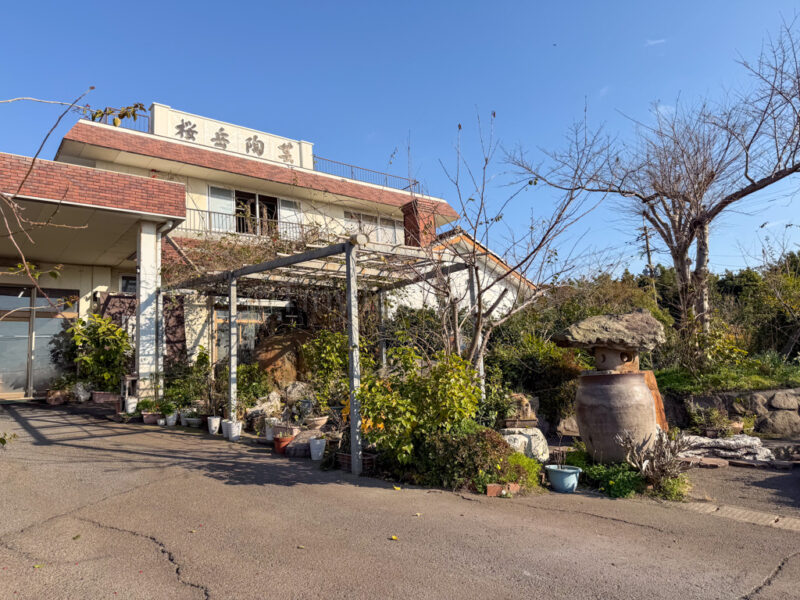
This shop is run by a mother-daughter duo, and we were surprised to learn that several Japanese celebrities have been here! The daughter, who is now a mother herself, greeted us at the door and kindly gave us a tour while we decided what we wanted. We learned about the history of the shop and that she and her mother use volcanic ash and local hot spring water to create every single piece of pottery for sale, making each unique.
The owner also served us some tea in cups she had made, which gave us an idea of how it felt to use them, and served us some snacks that she had made herself!
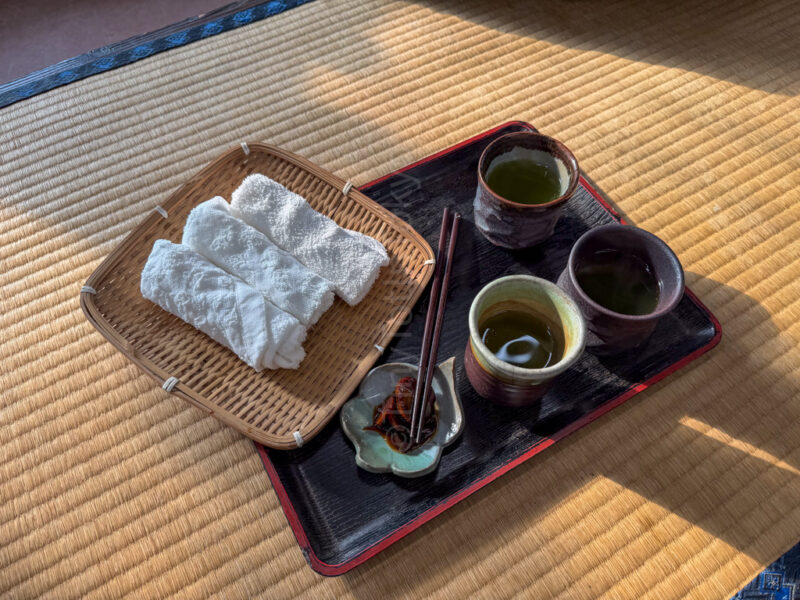
The cups felt really nice to hold and were dishwasher safe, so we decided on a pair to take home with us.
Before we left, the owner gave my daughter a handful of Sakurajima komikan, which are tiny local mandarin oranges, which really made her day. (And yes, my kid insisted on bringing these back to our home in Osaka, and so we did.)
We spent more time than expected here (almost an hour!), but it was so worth it. Connecting with a local business owner and supporting them is one of those experiences that makes traveling special.
This store also has workshops where you can make art using volcanic ash.
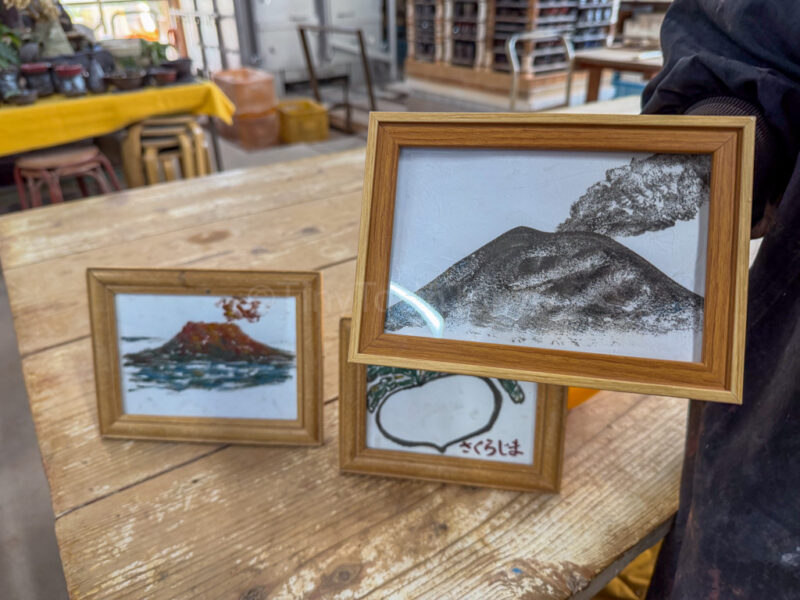
We arrived a little too late in the day to try this (it was 3 PM and the shop closes at 5 PM), but if you’re interested, you can sign up for a class on their website. I suggest doing this in advance because they might not be able to offer the class or be completely booked if you arrive without a reservation. (And no, this is not sponsored nor an affiliate link, I just really want to support their business!)
Arimura Lava Observation Deck
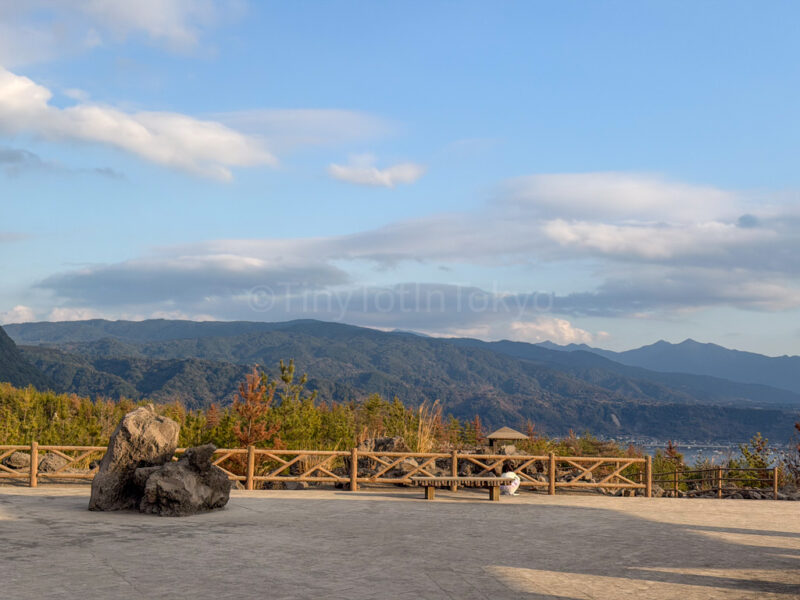
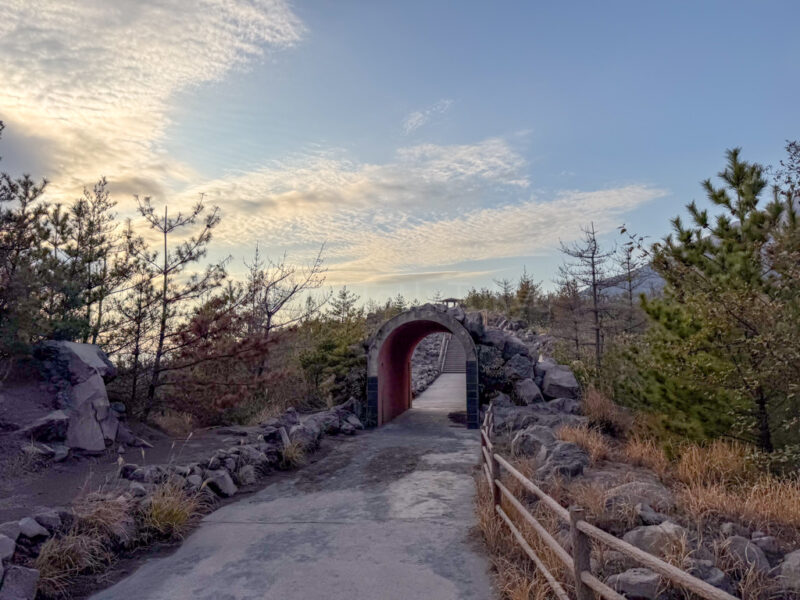
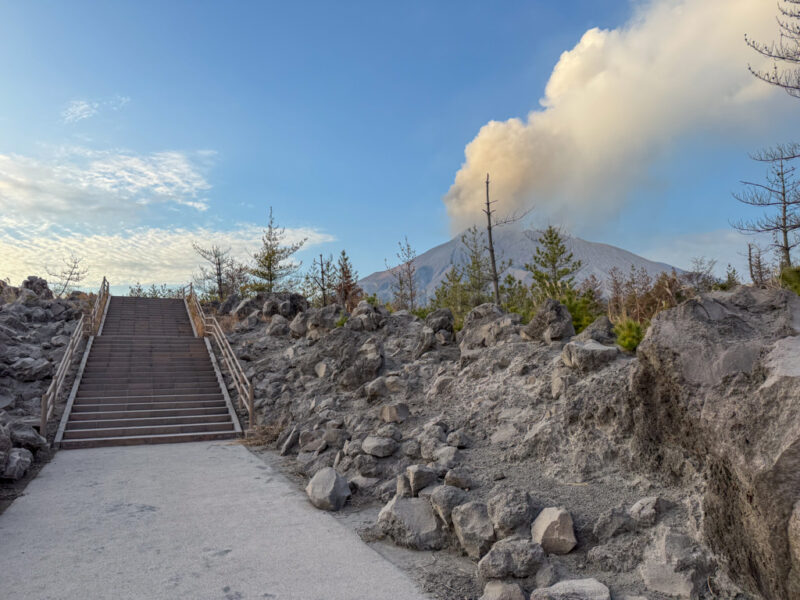
Arimura Lava Observation Deck is a little further away from Sakurajima than Yunohira, but that didn’t make it feel any less impressive. There is a lot more walking involved, though, but you’ll be walking on lava dating back to 1914.
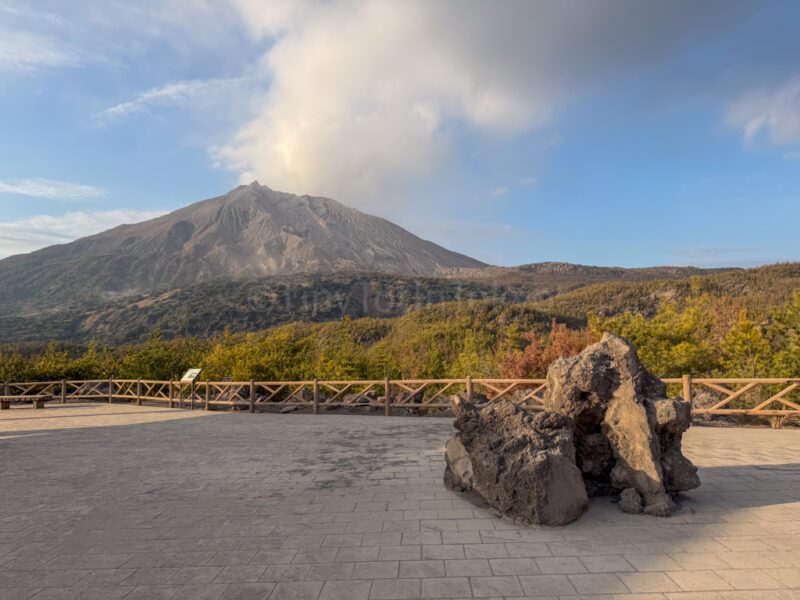
From here, you can also see a hill that was created following an eruption in 1946. It’s easy to spot since no vegetation is growing on it.
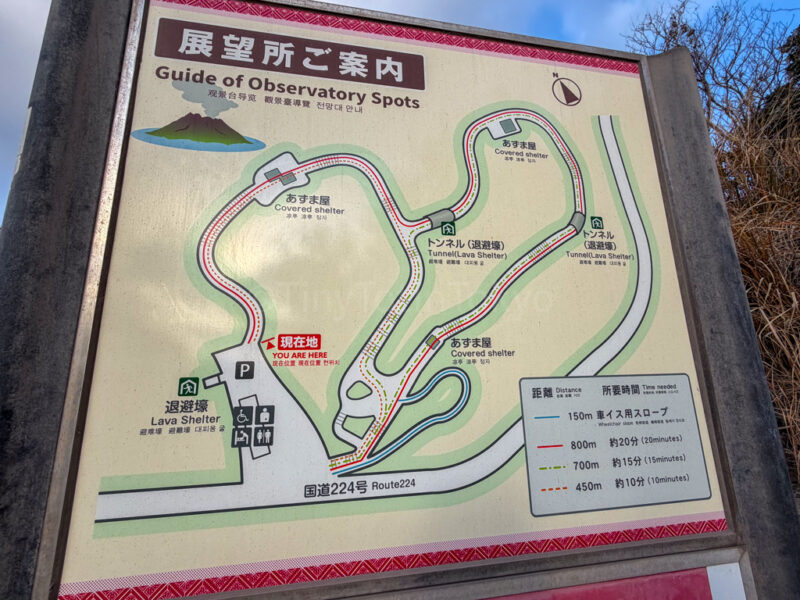
Here is the route you can take at the Arimura Lava Observation Deck. I think the best view is at the Covered shelter (あずま屋), which takes less than five minutes to reach on foot.
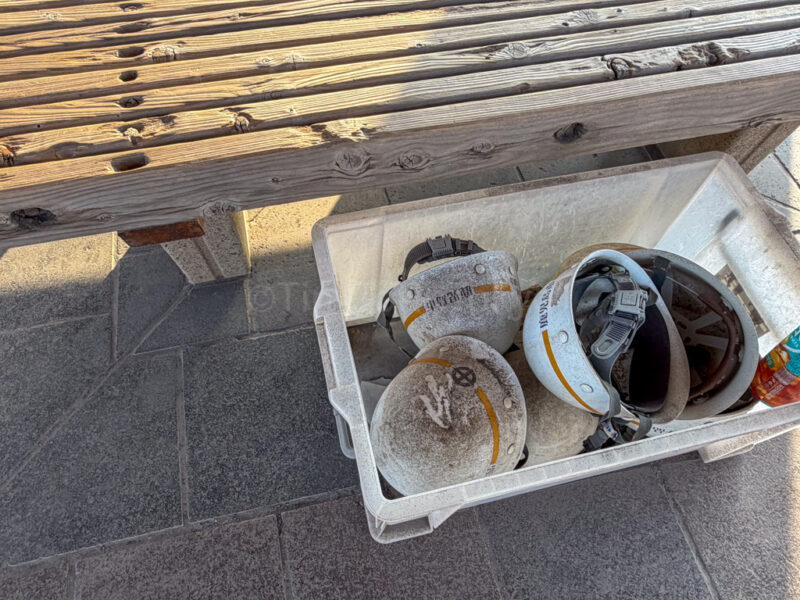
Notably, at the Covered shelter (あずま屋), there was a small box with helmets, which is for visitors in case there’s a sudden eruption.
The entire course takes 20 minutes, but I don’t think it’s necessary if you don’t have time.
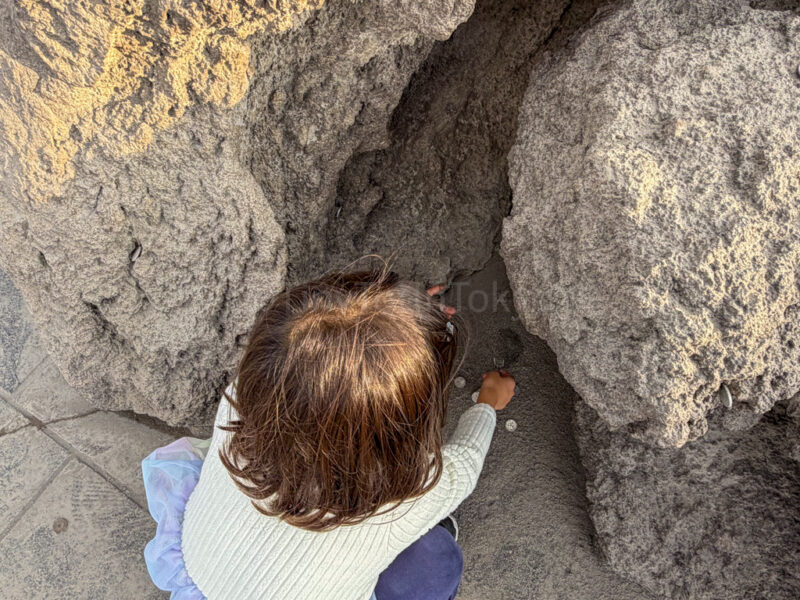
As I stated earlier, going to the Covered shelter (あずま屋) is good enough, which is what my husband and daughter did. My daughter enjoyed putting coins inside some of the lava rocks.
I did the full course, and I was subjected to a group of drunken tourists from a nearby Asian country singing extremely loudly, which really killed the vibe during the walk. The view along the rest of the route wasn’t that great either.
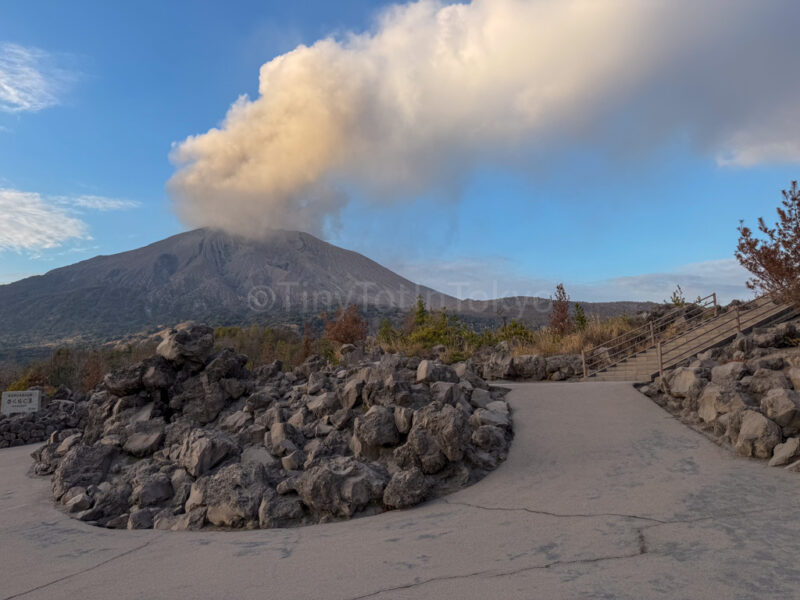
Kurokami Torii
We were going to stay at a ryokan in Kirishima for the night, which is near the other side of Sakurajima, so we decided to stop by at Kurokami Torii since it was somewhat on the way.
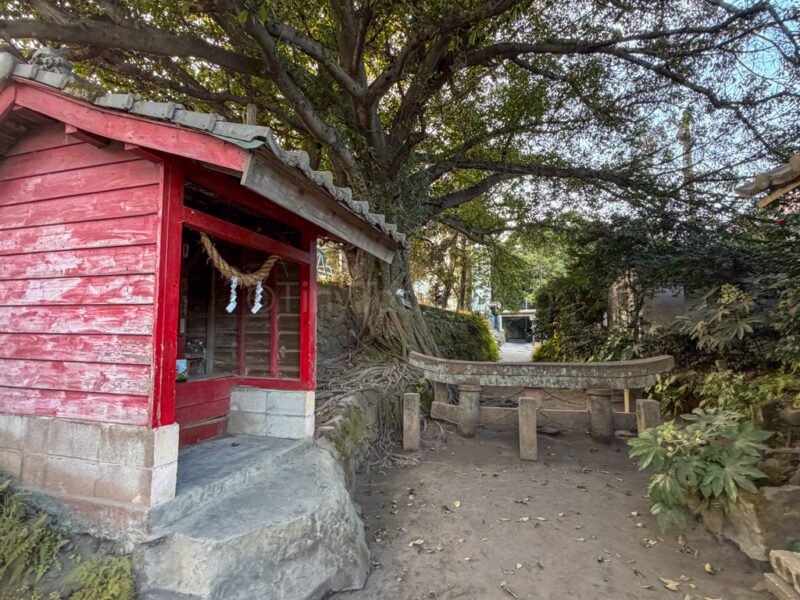
Kurokami Torii is a Shinto shrine gate that was buried by volcanic ash following the Taisho eruption in 1914, which also covered an entire village. The residents dug up part of the gate and now it serves as a reminder of the disaster.
It only takes a few minutes to see this gate but, personally, I was really moved by it. I think a lot of people forget that Japan is a country that has been subjected to a lot of natural disasters, and it speaks to the resiliency of the people here.
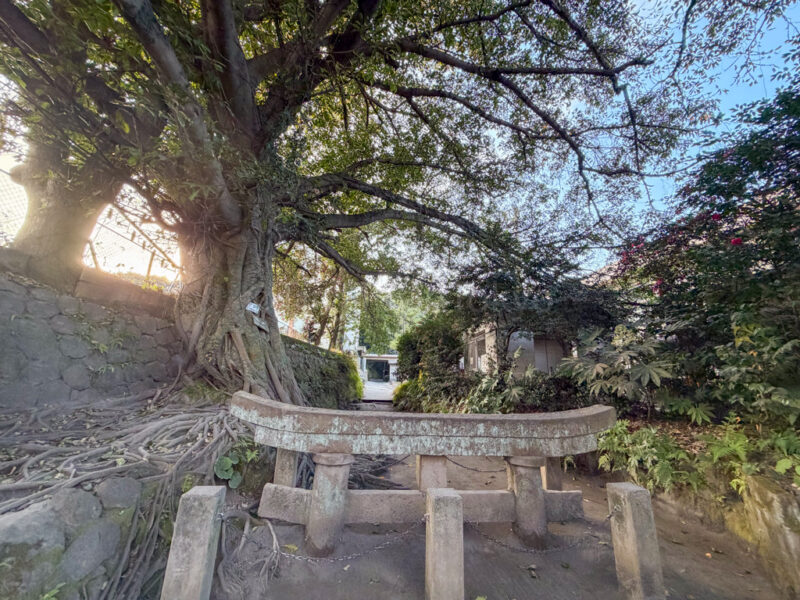
I wouldn’t go out of your way to see this gate unless you appreciate historical relics (like I do). I’m also glad I came here because we also popped by a lava field from the eruption in 1946. We could see the volcano erupting from this side as the smoke was grey, although I felt like it would have been nicer in the morning than in the late afternoon due to the location of the sun.
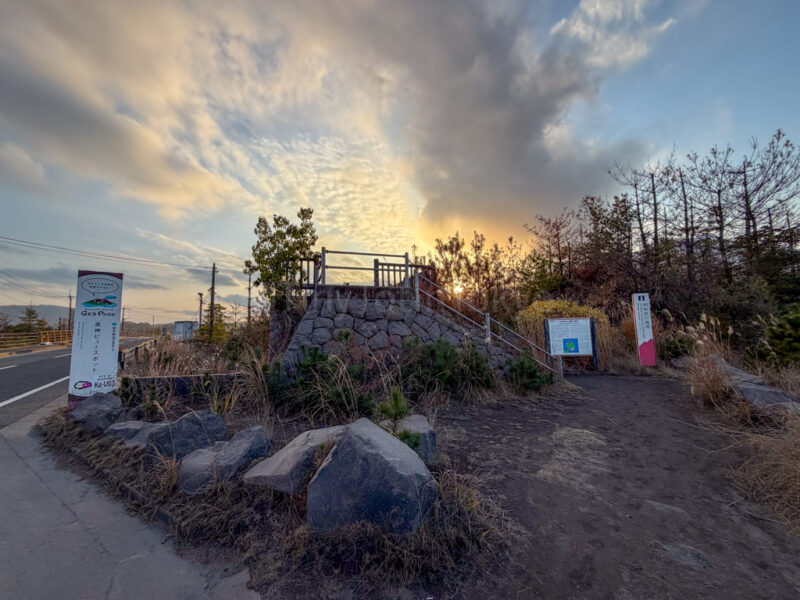
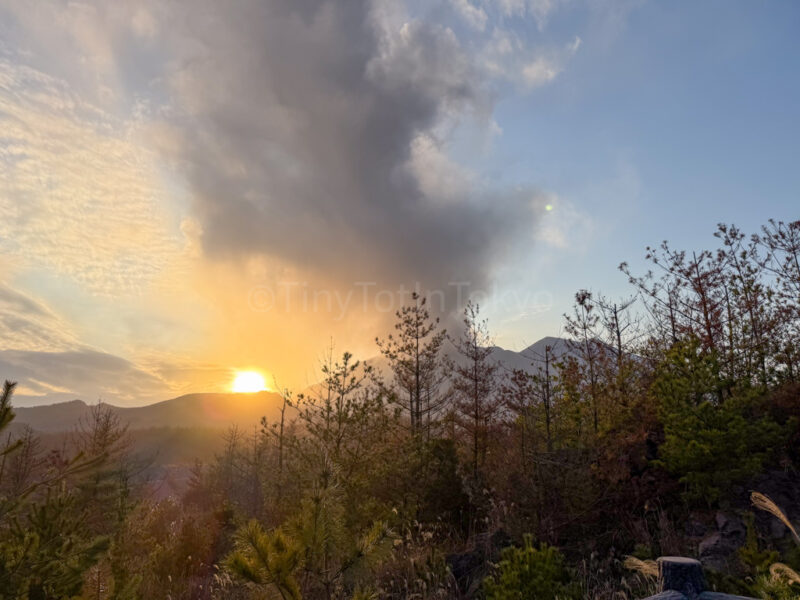
We only spent a few minutes here before leaving for our ryokan. While we drove, we took in the beauty of the sunset in the distance as dark plumes erupted from Sakurajima. It was a nice image to end the day.
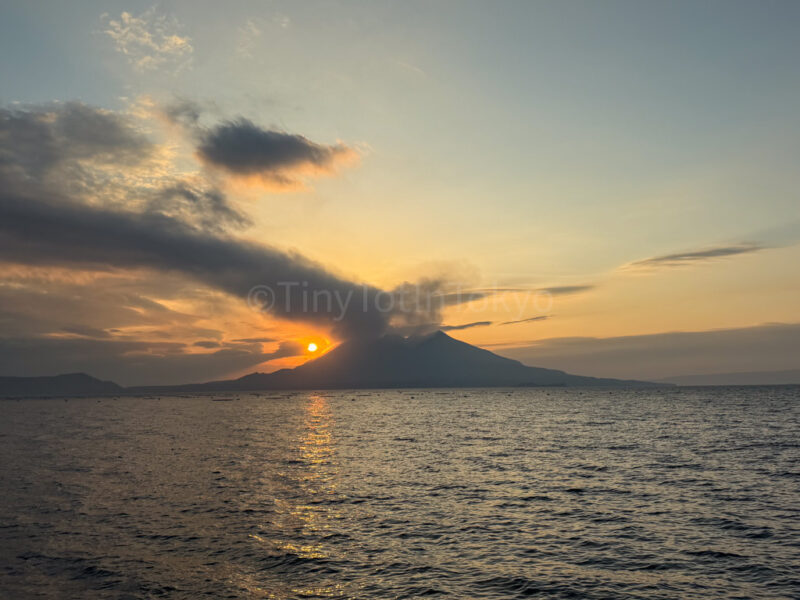
What Else to Do on Sakurajima
As mentioned earlier, there are a ton of other things to do while visiting Sakurajima.
Here are some places I wanted to visit but didn’t have the time.
Karasujima Observation Deck
Karasujima Observation Deck is a smaller viewpoint connected to Sakurajima’s volcanic history. I believe the other observation decks, which I introduced earlier in this article, might be better, but it might be worth the extra stop if you have time and want another view.
Akamizu Observatory Square
Akamizu Observatory Square is another viewpoint area, but it’s also home to the famous “Portrait of a Scream” monument, which is connected to Nagabuchi Tsuyoshi’s all-night concert.
This might be a good stop if you want a quick photo spot and something a little different from the usual volcano views.
Sakurajima International Volcanic Sabo Center
The Sakurajima International Volcanic Sabo Center is more of an educational stop. It focuses on volcanic disaster prevention and erosion-control work, so I think it’s best for people who are especially interested in volcanoes or how communities protect themselves from volcanic activity.
I believe most displays are in Japanese only and photography is prohibited inside, so you might have trouble if you want to try to use Google Translate here.
Arimura Beach
Apparently, Arimura Beach has hot spring water in the sand, which you can uncover by digging using a proper shovel. It can be tricky finding the proper spot (although I heard that the closer you are to the shore, the better), and we didn’t have a shovel or beach-friendly clothes, so we skipped this.
How Much Does a Sakurajima Day Trip Cost?
As many of the sightseeing spots in Sakurajima are completely free, I would budget for transportation and food. Not including our car rental and souvenirs, our family of three spent less than 4000 yen, and this was only on the ferry (which included car transport) and food!
If you’re taking the ferry (round-trip) and bus (one-day pass), expect to spend about 1000 yen, and then another 1000 yen or so for food.
Do You Need a Sakurajima Tour?
A tour is a pricier option but also really convenient, especially if you want an in-depth look at Sakurajima. It’s also helpful if you don’t want to worry about transportation, timing, or figuring out where to stop.
The Sakurajima half-day tour covers the main sights, including Yunohira Observatory, Nagisa Park Foot Bath, Tsukiyomi Shrine, and the Sakurajima Visitor Center. For families, the Kagoshima family-friendly tour is a longer option that includes Sakurajima, snacks, drinks, and lunch, which may make the day feel easier with kids.
Where to Stay on Sakurajima
If you want to stay overnight on Sakurajima, I recommend Rainbow Hotel Sakurajima (which also has onsen and offers rental e-bikes), and Sakurajima Seaside Hotel if you want a rustic open-air onsen bath overlooking the sea. Note, though, that Sakurajima Seaside Hotel is old and guests have complained of insects (which is probably why it’s the more affordable of the two).
So, Is a Sakurajima Day Trip Worth It?
We had such a wonderful day visiting Sakurajima, and it was one of the highlights of our trip to Kagoshima. It’s honestly such a unique place in Japan, and how many people can say they visited an active volcano?!
So yes, spending a day visiting Sakurajima is absolutely worth it, especially if you enjoy taking walks while admiring nature. And if you only have half a day to spare, it’s enough time to be able to see the highlights, even while using public transportation.
If you’re still planning your trip, you can also read my full Kagoshima itinerary to see how we fit Sakurajima into our visit and check out what else we did.