

Mie Travel Itinerary: Visiting Ise, Toba, and Shima
Last Updated on March 17, 2026 by Kay
This post may contain affiliate links, meaning I may earn a small commission on any purchases through those links at zero additional cost to you. Whatever I make goes to keeping this website running and I am forever grateful for the support. See my Privacy Policy for more information.
Thinking of visiting Mie Prefecture and wondering what to visit and how to spend your time there?
I visited Mie during my second trip to Japan, when Kay, my sister and owner of this blog, and her family invited me along to see Ise Shrine (Ise Jingu), one of the most important shrines in Japan. My brother-in-law especially wanted to visit because his mother has always hoped to see it herself, but due to health problems, she’s unable to make the journey from Hiroshima. I thought that was a very sweet reason to go.
Before this trip, I didn’t know much about Mie Prefecture. It’s not a place that gets talked about nearly as much as Tokyo, Osaka, or Kyoto, especially among international tourists. But after visiting, I came away feeling like it was one of the most interesting places I’ve seen in Japan.
In this article, I’m sharing my experience visiting Mie as a 30-something-year-old Canadian tourist in Japan, including what we did in Ise, Toba, and Shima, and whether I think Mie is worth visiting if you’re traveling from abroad.
Kay’s note: This article is written from my brother’s perspective after he joined our family on a trip through Mie Prefecture.
Is Mie Worth Visiting?
Mie is a special prefecture, deeply connected to the ocean that surrounds it and full of rich cultural history. Compared to many other places in Japan, it feels especially traditional and sacred.
Many attractions in Mie are located in Ise-Shima National Park, which is located in the southeastern part of the prefecture, and can be a bit tricky to reach. At around 2.5 hours (or more), the train ride from Osaka or Kyoto can be quite long, but in my opinion, the trip is absolutely worth it.
Not only is Mie home to Ise-Shima National Park, where you’ll find the ancient forest shrine dedicated to the god Amaterasu, but it also offers visitors the chance to experience many different sides of the prefecture. The ocean influences the culture here in almost every way, so if you like seafood or learning about marine-related topics, I think you’ll really enjoy it. I definitely did!
Our Mie Itinerary
We spent three days in Mie Prefecture, which surprisingly was enough to see the highlights. This is what we did.
Day 1: Ise-Shima
We drove from Osaka, which took about 2.5 hours, although you can take the train for a similar amount of time. Our first stop was Ise-Shima National Park, specifically Ise-Jingu Shrine.
The first thing I noticed when I arrived in Ise city was how unbelievably chill and calm it felt. Even in areas filled with people, there was almost no commotion. Everything felt peaceful and dignified.
That atmosphere really stood out to me. In Japan, respect and carrying yourself in a considerate way already goes a long way, but in a city like Ise, you feel that even more strongly.
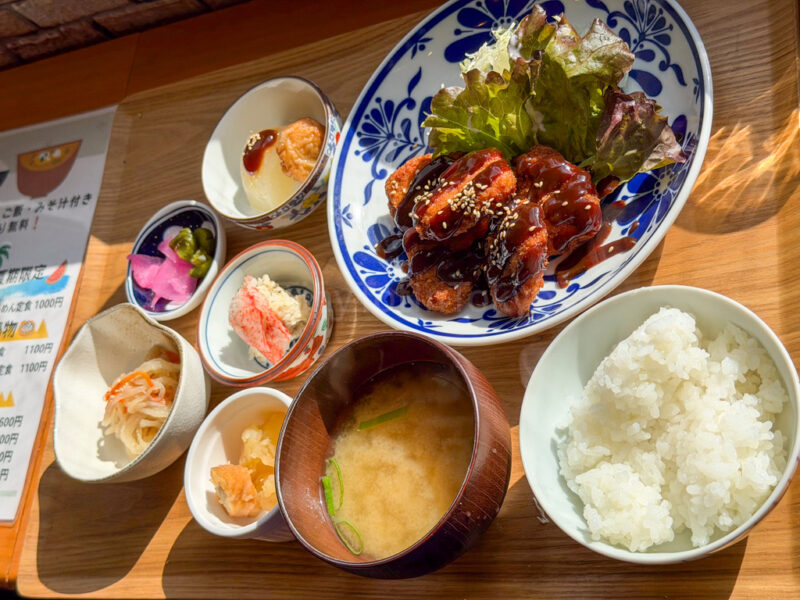
Before going to Ise Jingu, we decided to grab a quick lunch at a small, hole-in-the-wall restaurant. There aren’t many seats and it fills up pretty quickly at noon, but we arrived at 11:30 AM so it was all good.
I had a chicken miso katsu lunch set, and I think it was hands-down the best thing I ate during my trip to Japan. When we were done, we headed to Ise Jingu.
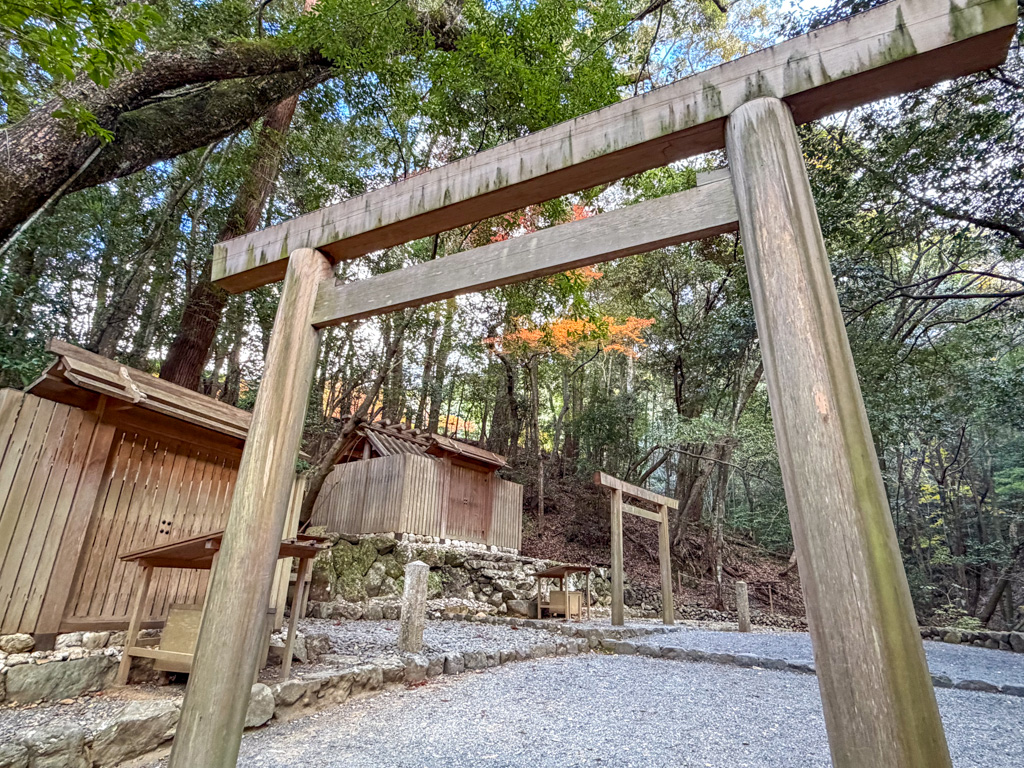
Visiting Ise Jingu: Geku and Naiku
The sacred shrines of Ise Jingu are divided into two main areas: the Outer Shrine (Geku) and the Inner Shrine (Naiku).
They’re located a bit far from each other, but there are shuttle buses and taxis that run between them relatively frequently, which makes visiting both pretty convenient. Since we had a car, we just drove.
Both of these shrines are historically significant and are strictly monitored at all times, so be aware of signs saying “no pictures” as there are security guards around maintaining the place, and they really hold that policy in full effect.
Some of the areas are completely restricted, giving the entire place an enhanced sense of mystery. The amount they do let visitors experience is totally worth it, though, so if you’re interested in Shintoism and gaining wisdom from ancient forests, then the Ise Jingu shrines are definitely places you should visit.
Also, make sure you bring lots of coins to give as offerings when you pray!
Geku is dedicated to the agricultural goddess Toyouke-hime.
The first thing I noticed there was the massive trees surrounding the area that were thousands of years old. Lots of people were hugging them and soaking up tree energy… and of course, I did too.
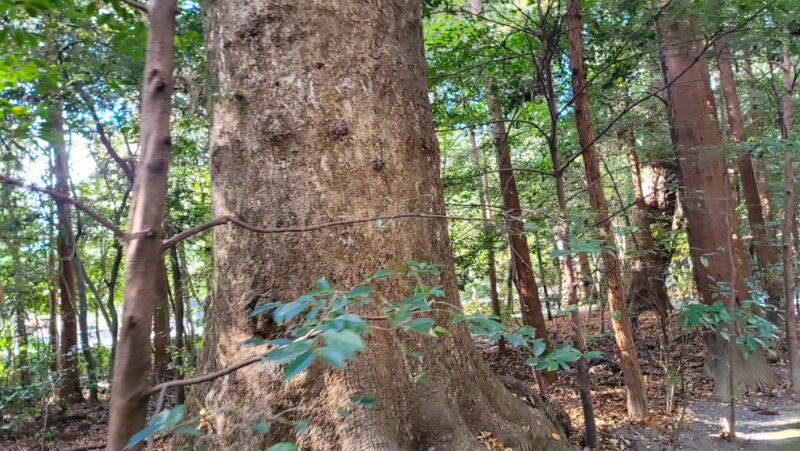
After absorbing that ancient tree energy, I’m pretty sure all my stats went up by +10.
Here is the entrance of Geku. You cannot take photos once you pass through this tori gate.
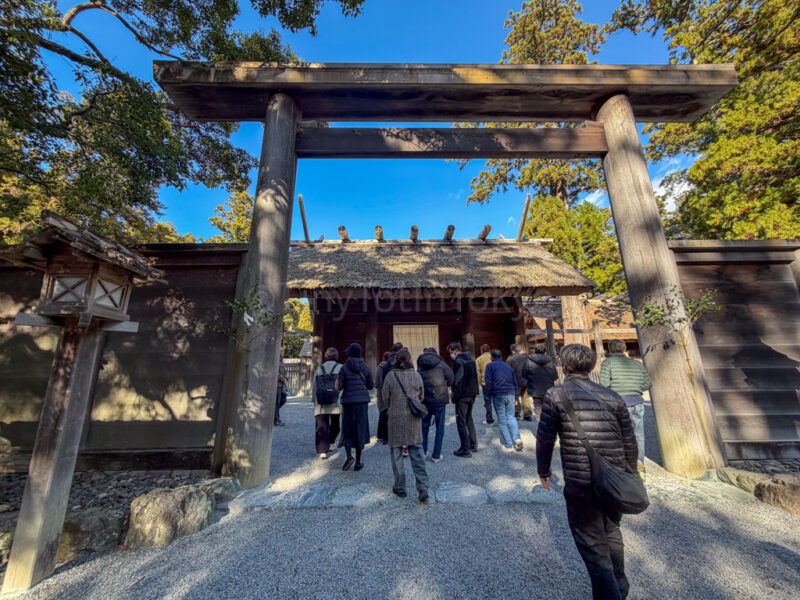
Naiku is dedicated to the Sun Goddess Amaterasu, one of the most sacred deities in Shinto. She’s said to be the ruler of the heavenly realm and the ancestor of the Japanese imperial family.
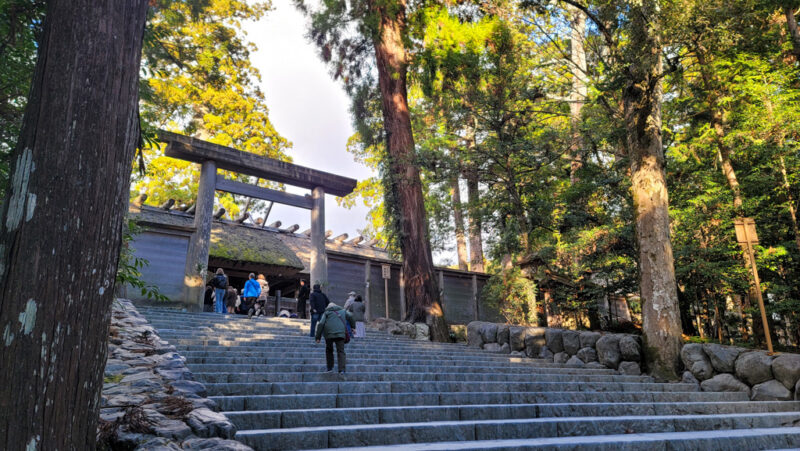
Praying at Naiku felt truly tranquil. I could feel all the ancient wisdom coming from the surrounding forest… It almost felt like stepping into some kind of magical realm. I left with a really good inner feeling, so there really is something special about that place.
Just like Geku, you’re not allowed to take photos once you pass through the torii gates.
We spent three hours at Ise Jingu.
Shopping Near Ise Jingu
Right next to Naiku is a traditional shopping street with a wide mix of stores, from Sumikko Gurashi shops to Japanese pottery. It honestly felt like there was something for everyone there.
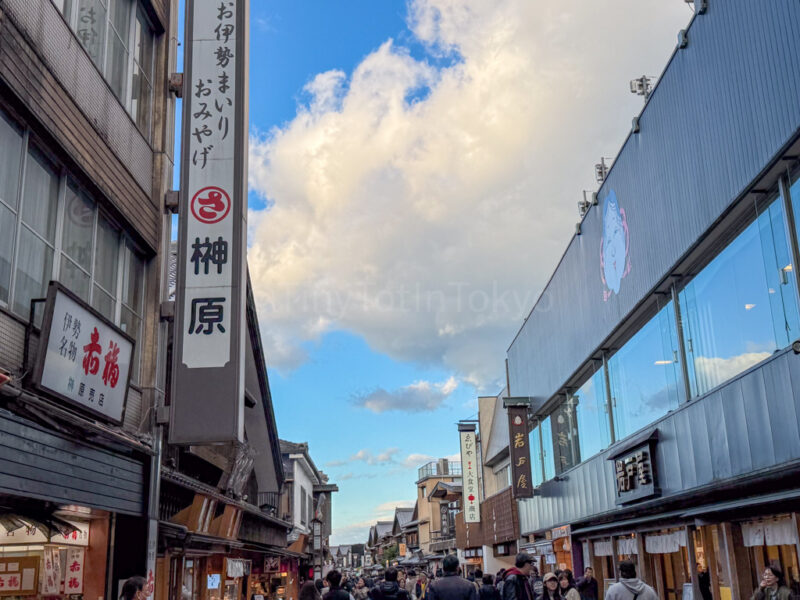
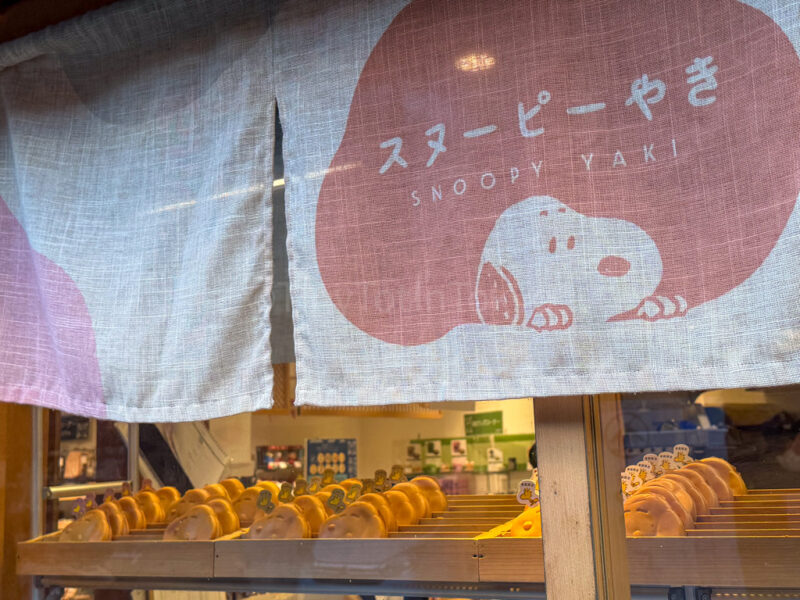
You’d think having a Snoopy store next to an ancient shrine would feel out of place, but somehow it worked. The whole area still felt charming and cohesive.
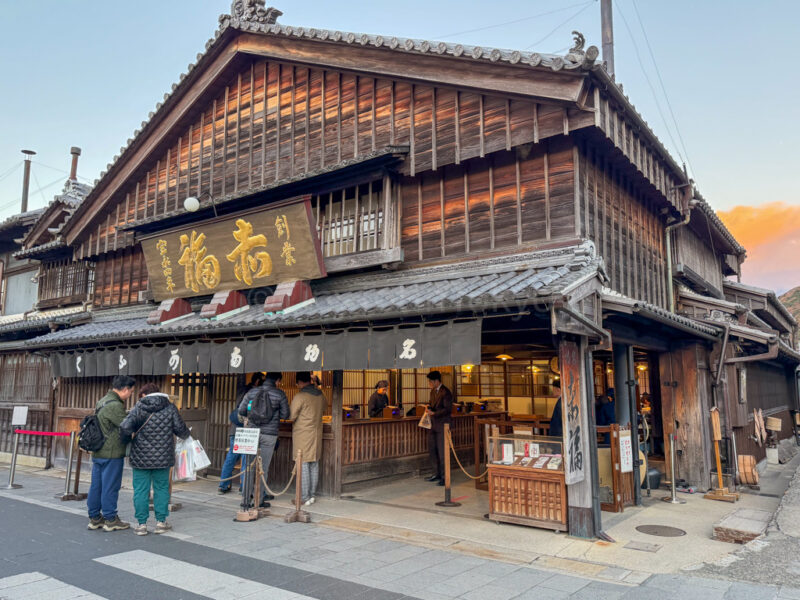
There are plenty of restaurants here, and you can buy freshly-made akafuku, a famous Japanese dessert made of smooth red bean paste. However, we were too late to snag a box. (It also needs to be eaten within a few days.)
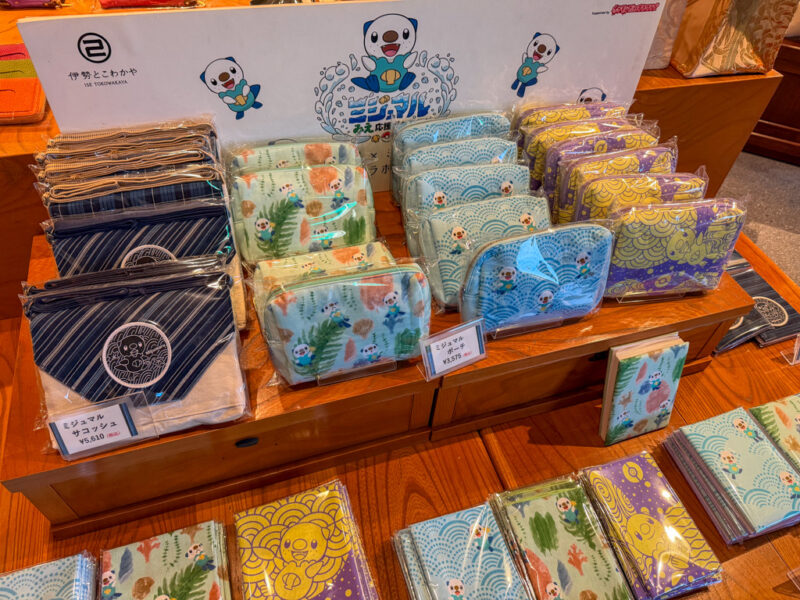
If you like Pokémon, you might like to know that Mie Prefecture has an official Pokémon, which is Oshawott. So you’ll find lots of Oshawott souvenirs like these cool custom pouches:
When we were done at 5 PM, we drove to our hotel, Hotel Ijikaso, which is located in Toba, a city along the eastern coast of Mie Prefecture. We wanted to check out the Ise-Shima Skyline before going to the hotel, but it would have been too dark to see anything, so we gave up.
Hotel Ijikaso is somewhat dated, but the room was spacious and modern, a stark contrast to the rest of the hotel.
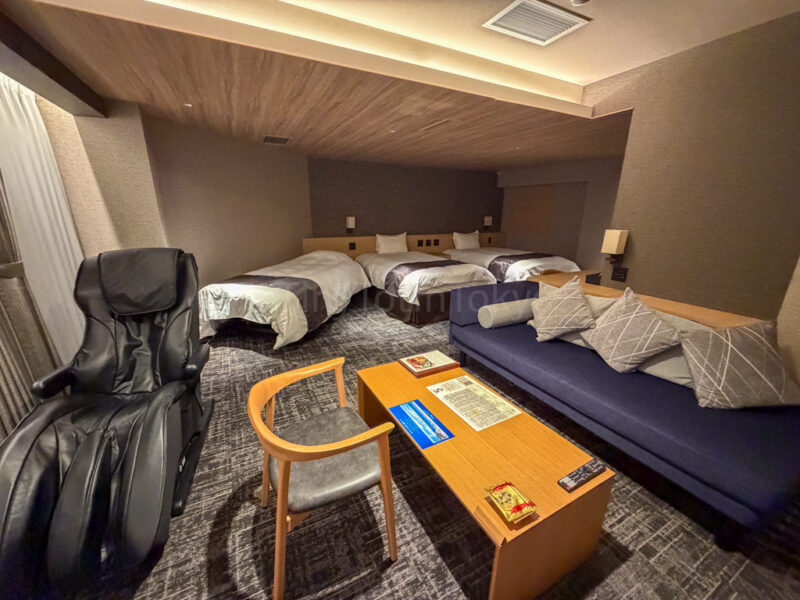
It had a massage chair, which was amazing after a day of traveling. I definitely spent a lot of time in there.
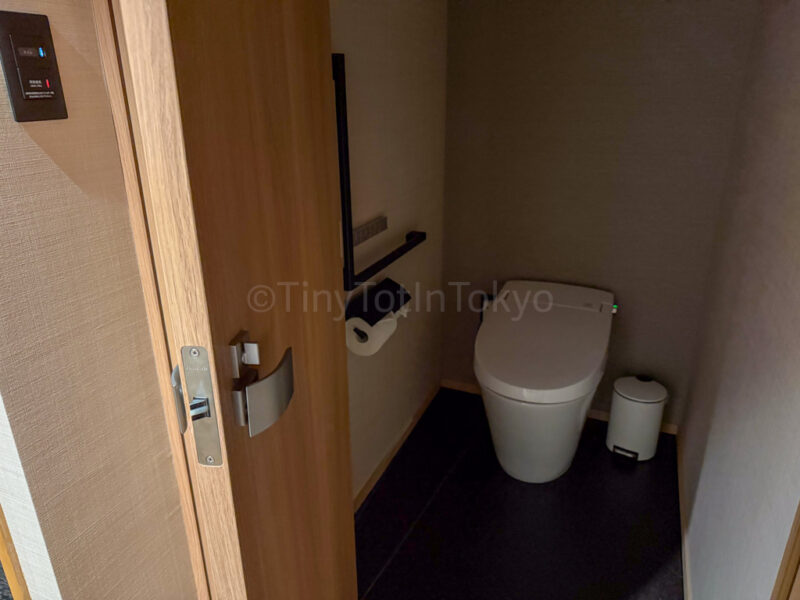
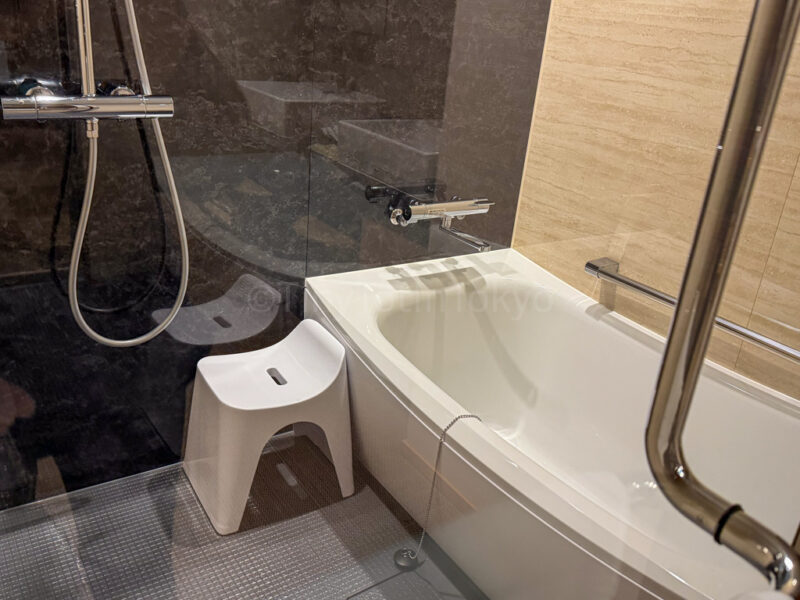
The toilet is in a separate room, which is a must for my sister, and the shower is like what you’d find in a typical Japanese home.
Best of all, we had a beautiful view of the ocean from our room.
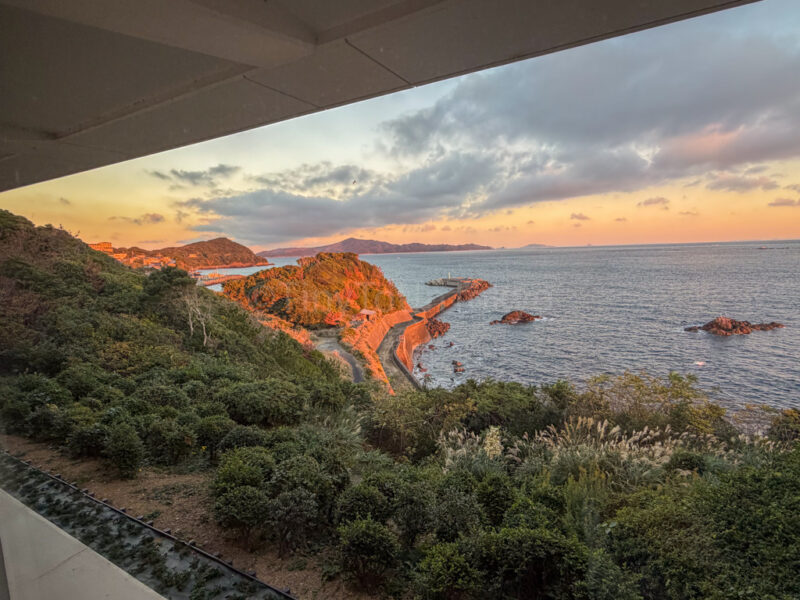
My sister and her family used the public onsen, which they said was nice, as well as a private family onsen. But my sister was disappointed that they didn’t have an open-air onsen, especially since the steam obstructed the view. I just stuck to the shower in the room, because I wasn’t ready to get naked with a bunch of strangers.
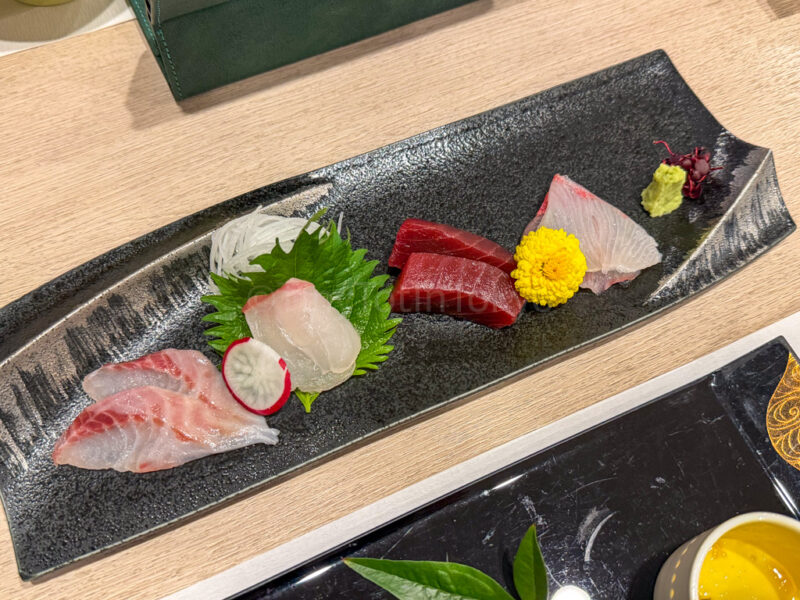
The hotel came with dinner and breakfast. It focused on fresh, locally caught seafood, like Ise ebi (shrimp), which was really tasty. The shabu shabu was a little disappointing, though.
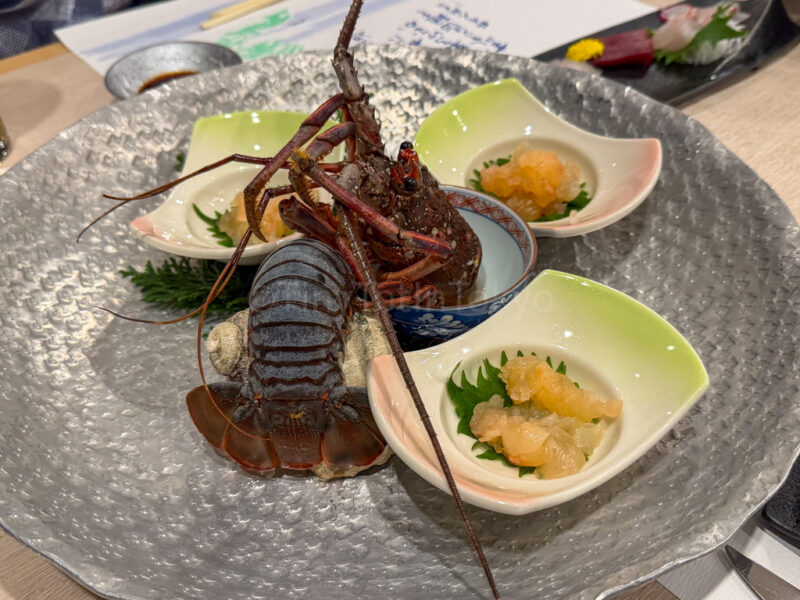
Here is what some of the other courses for dinner looked like:
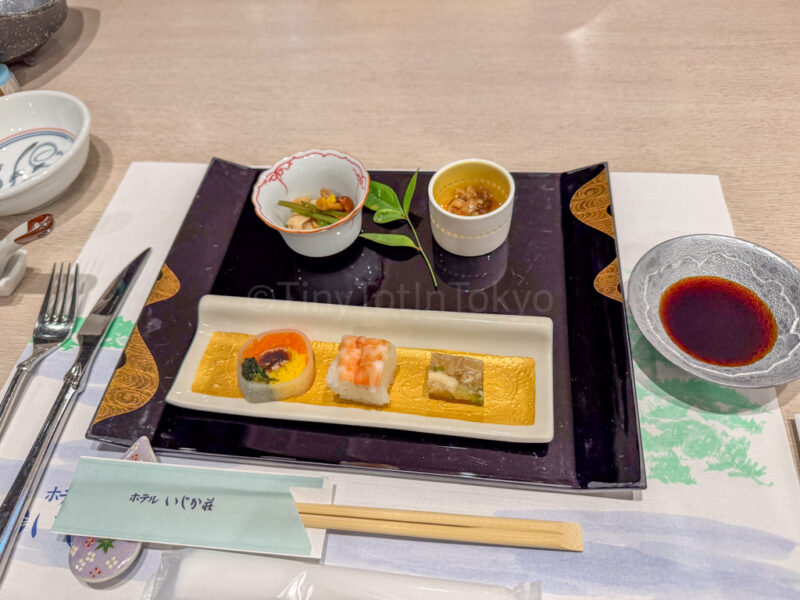
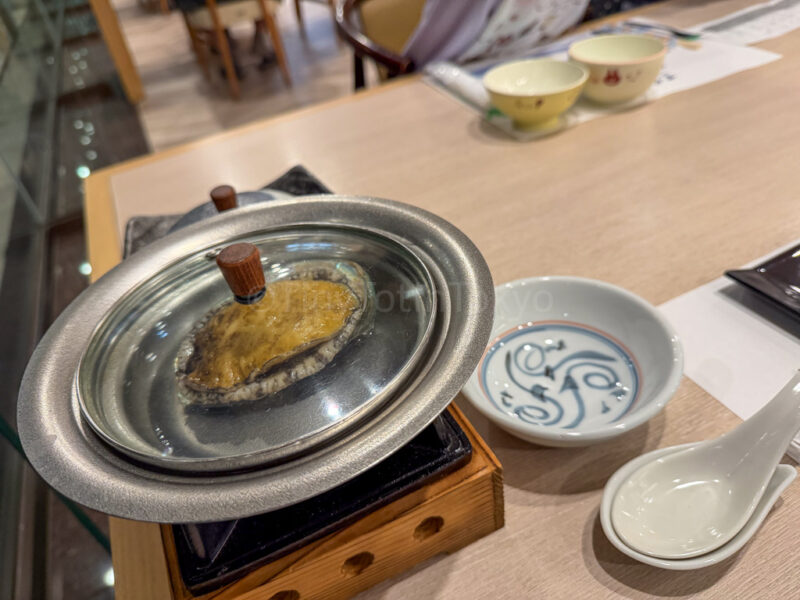
And here is breakfast:
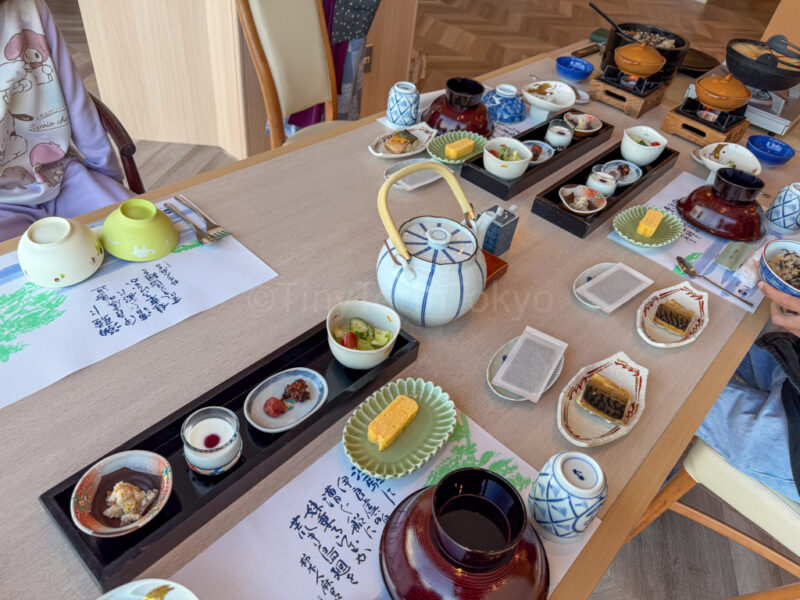
As you can see, breakfast was very Japanese-style as well. It was my first time having a Japanese breakfast, and I was blown away. It was so healthy and delicious.
When it came to the quality of sleep, it was pretty good. No complaints.
Day 2: Toba
After we had breakfast at the hotel, we went to the Toba Sea-Folk Museum. This is a historical fishing museum in Toba that focuses on how fishing and marine life have influenced Japanese culture. It’s located only a five-minute drive or an 8-minute bus ride from Hotel Ijikaso, so I definitely recommend giving it a visit.

The museum showcased the evolution of fishing boats, along with the different tools and technologies that have been used throughout the history of fishing in Toba. They also placed a focus on the role of women pearl divers.
There were lots of interactive exhibits and plenty to learn along the way, which my niece (age six) really enjoyed. I found it pretty fun, too.
There was even a huge building housing actual boats that had once been used, which really put into perspective how tough fishing must have been.

I thought it was a very cool experience, and visiting made me want to learn even more about Japan’s relationship with the ocean.
We spent about two hours here before going to the Toba Aquarium, also located in Toba.
This is the third-largest aquarium in Japan that houses the most animal species in the country, so there was a lot to see, from penguins to blue lobsters to every weird-looking fish you could possibly imagine.

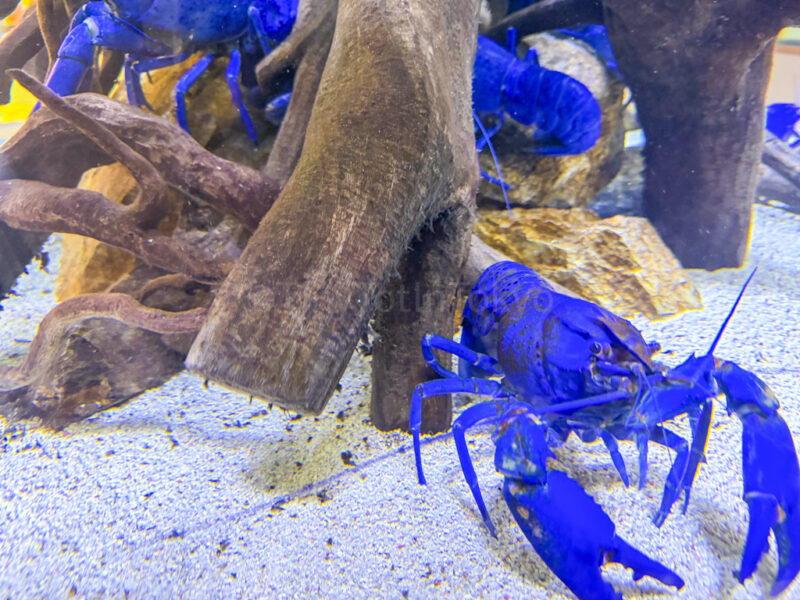
One of my favourite parts was watching the sea otters, which had been trained to spin pylons around during feeding time. It was so cute.
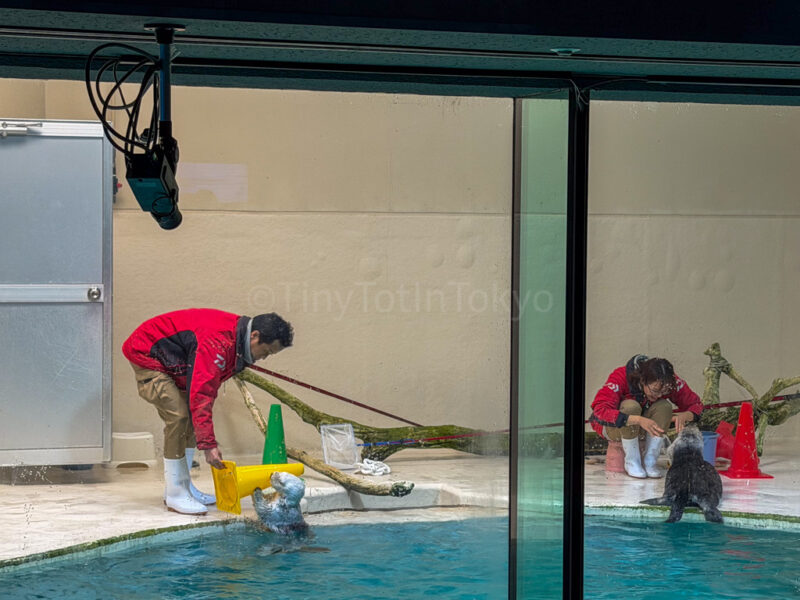
Keep in mind, though, that Toba Aquarium is quite old, having been built in 1955, and the age shows. Some animals probably could use bigger tanks, so if that might bother you, I suggest skipping it. We mainly went because my niece loves aquatic animals, and she enjoyed the aquarium (although the size of it tired her out; we were there for three hours). It was also interesting for me to see all this sealife as a landlocked Canadian. There’s no aquarium in my hometown.
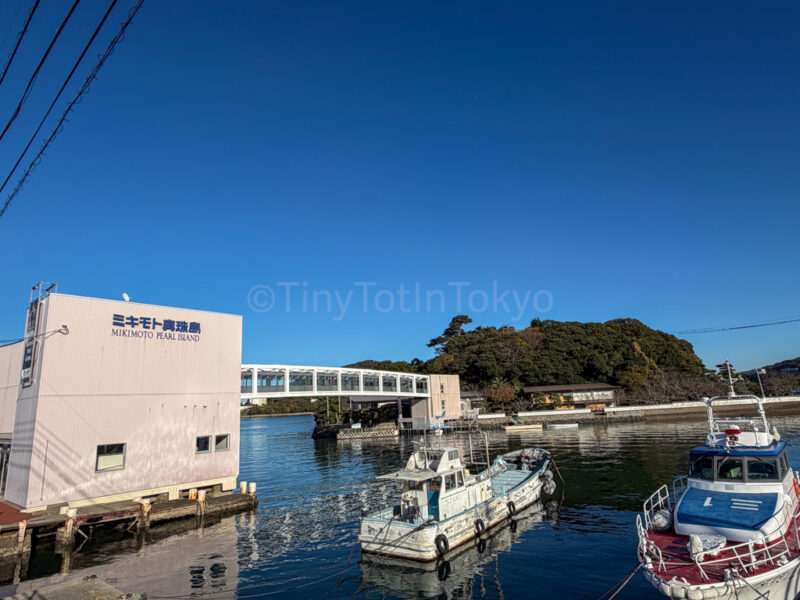
A short walk away from the aquarium is Mikimoto Pearl Island, where you can learn about how pearls are cultivated and the history of Mikimoto, a man who built the pearl industry in Japan. You cross a bridge on foot to get to the island, which can easily be explored in half a day.
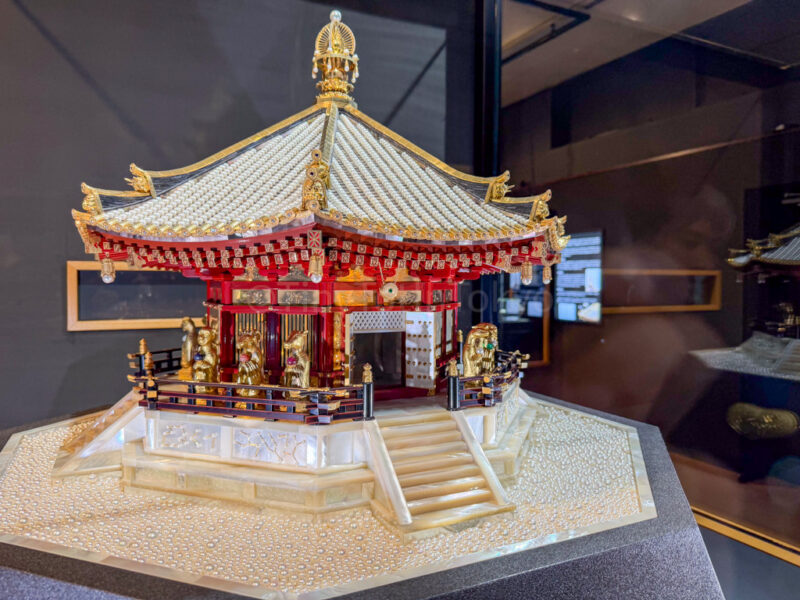
They had exhibits featuring pearl jewellery from all over the world, as well as large art pieces made from thousands of pearls. Mie has a long history with pearl cultivation, so there’s a lot to learn here.
I think the best part was seeing the pearl diving demonstration. That’s something really unique that you won’t be able to experience anywhere else.
Make sure to buy the combination ticket for Toba Aquarium and Mikimoto Pearl Island if you decide to go to both, because you’ll save money. You don’t need to get tickets in advance; you can just get them when you’re there. This is what we did.
We spent about 1.5 hours at Mikimoto Pearl Island before leaving for Futami Okitama Shrine, which we wanted to see at sunset.
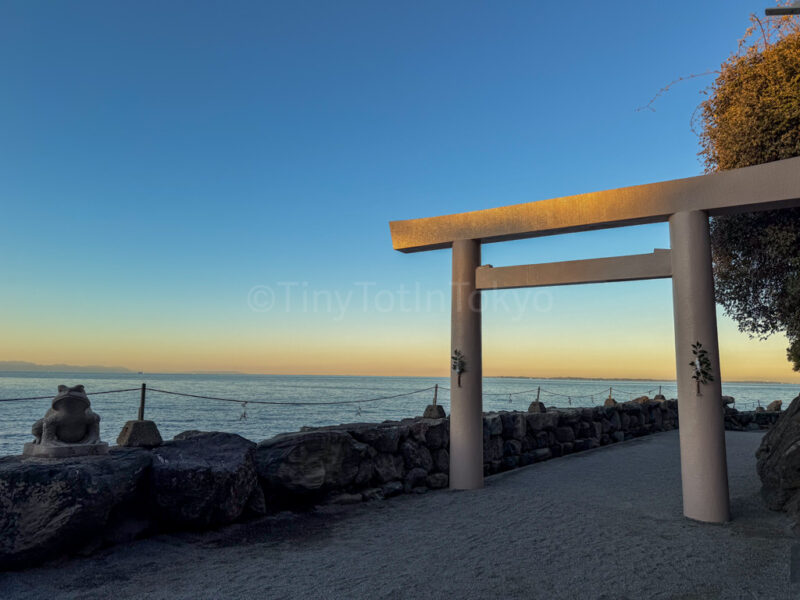
Futami Okitama Shrine is home to the Meoto Iwa rocks, which are said to represent the bond between Izanagi and Izanami, the central god and goddess in Shinto mythology. The rocks are tied together with a massive rope that symbolizes their eternal bond.
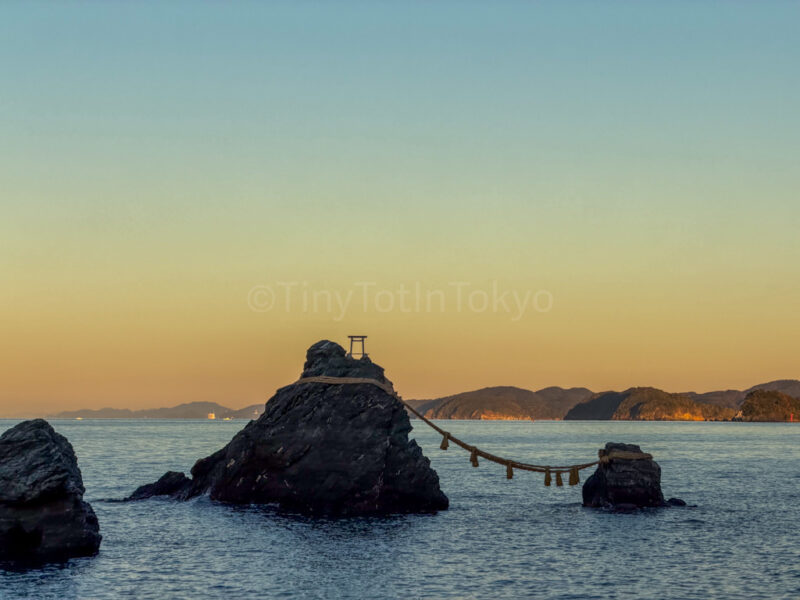
It’s a place couples visit to strengthen their commitment to each other and pray for an everlasting marriage, and it really is a beautiful spot. I’m not married, so I just enjoyed the view, but my sister and her husband made sure to pray here and take photos with the rocks in the background.
The shrine also has a frog theme, with frog statues all over the grounds. So if you like frogs, this is definitely the shrine for you. My niece thought it was pretty cool.
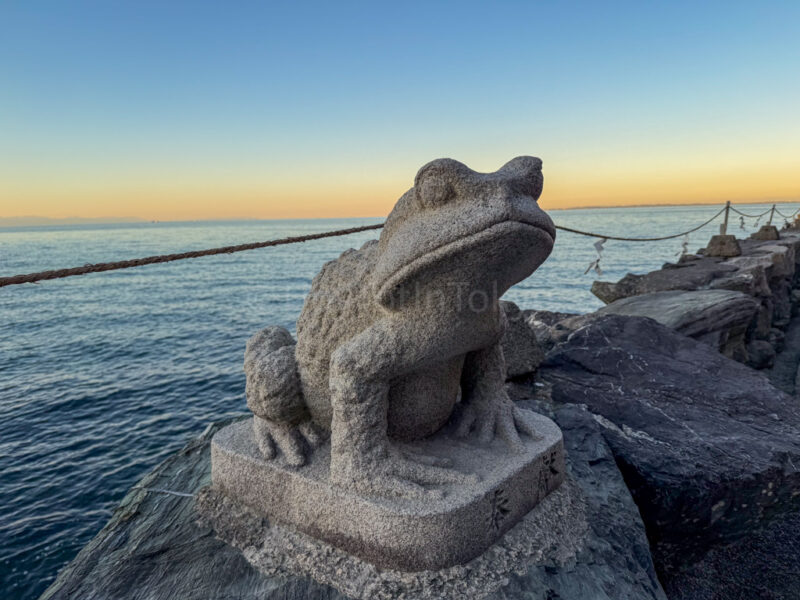
When we were done, we went to our next destination — a ryokan called Kashikojima Hojoen.
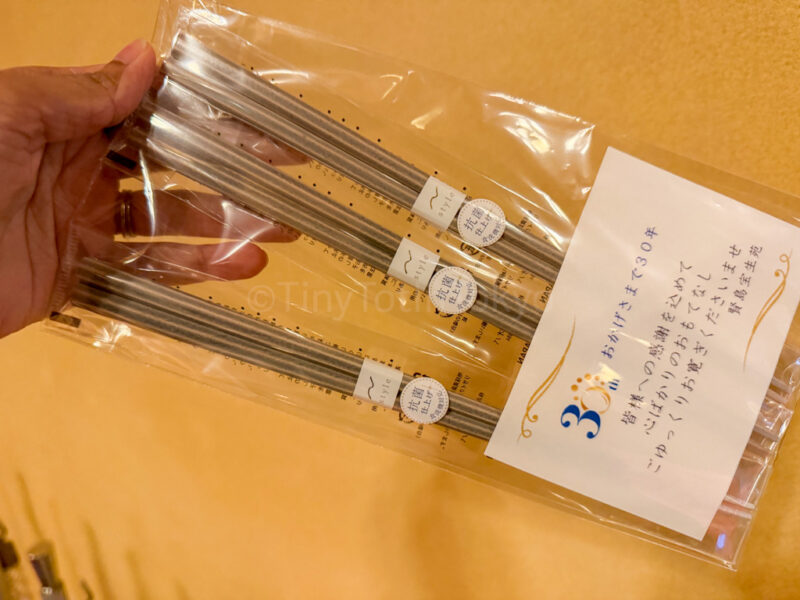
This was a beautiful ryokan that had the best service. We even got free chopsticks (not the disposable kind) to celebrate their anniversary!
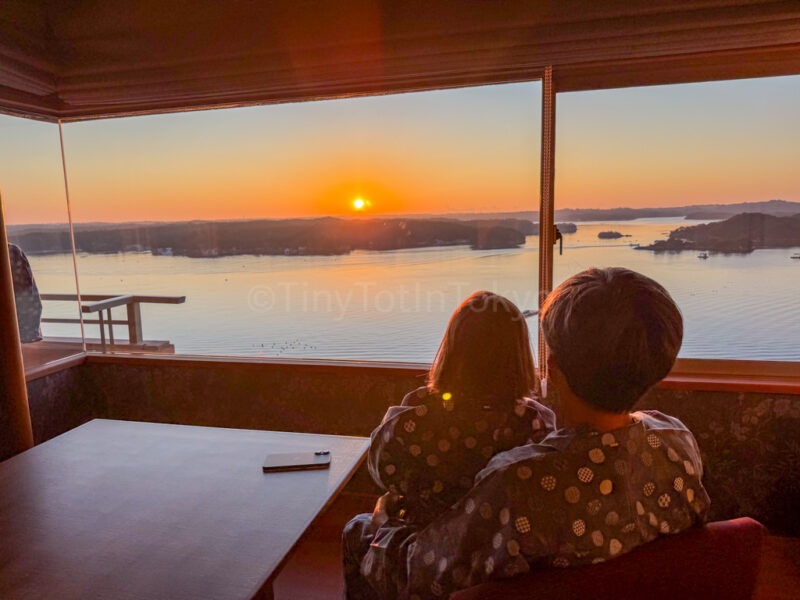
Our room was gorgeous with an amazing view of Ago Bay.

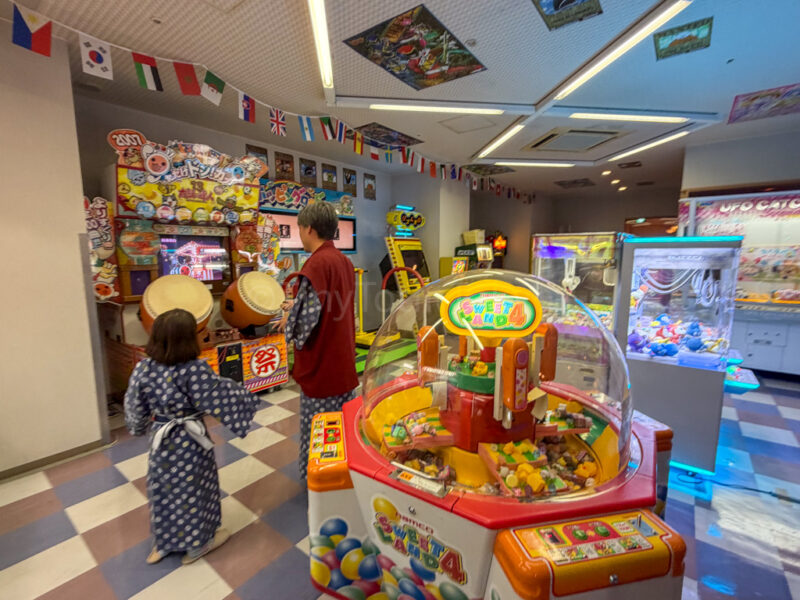
The ryokan is spacious with plenty to do, including karaoke and an arcade.
And of course, there’s an onsen, but I didn’t go. My sister’s family went, though, and they said it was amazing, especially the open-air bath.
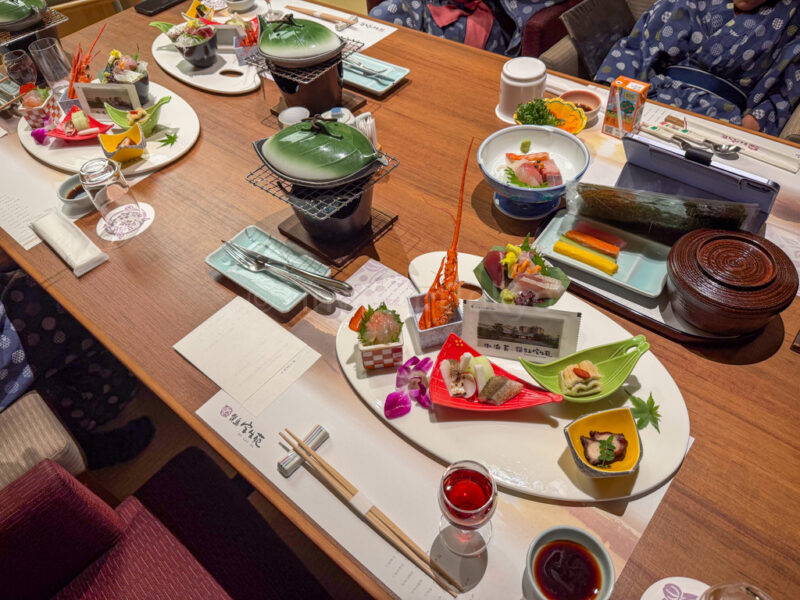
The food was the highlight. It was even! It was even better than the hotel we stayed at the previous day! Their beautifully presented meals focused on fresh, local seafood, including Ise ebi. It not only looked good but tasted fantastic. Some of the best seafood I’ve ever had.
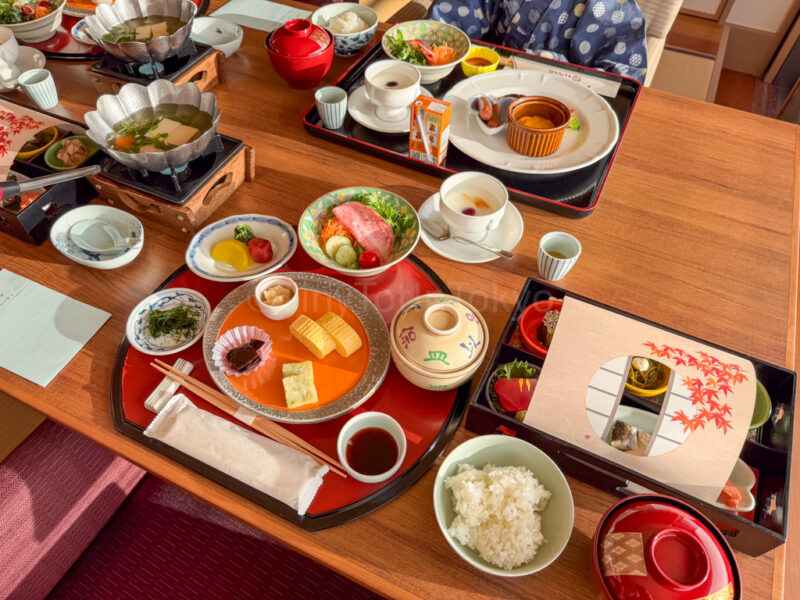
The breakfast is also Japanese-style, which might be a problem if you don’t like cooked fish. My sister doesn’t, but she just traded her fish for her husband’s tamagoyaki and tofu.
I feel really lucky that my sister and her family took me to Kashikojima Hojoen. This was my first ryokan experience, and from the service to the food, it was unbelievable. My sister has stayed at a lot of ryokan (she’s lived in Japan for almost two decades) and even she said this was one of the best.
Day 3: Shima
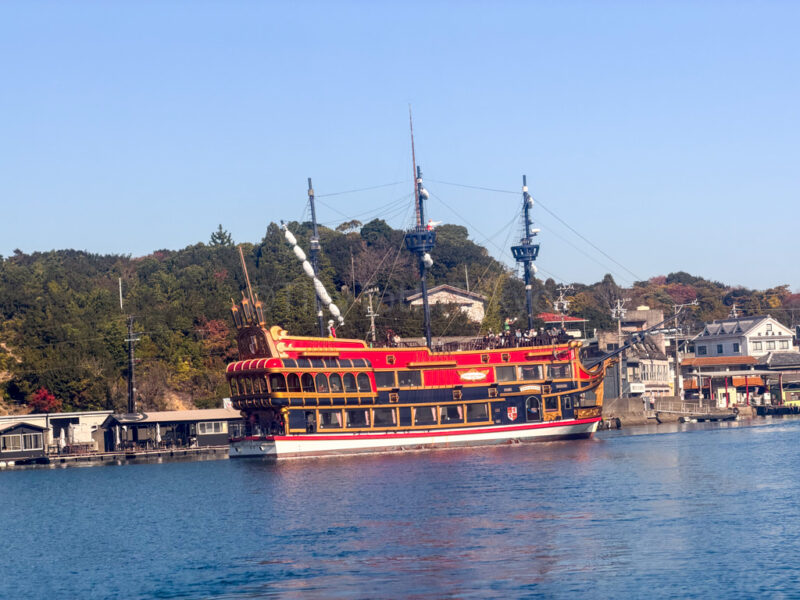
On our last day in Mie, we went to Kashikojima Port in the city of Shima, where boats take visitors around the nearby islands in Ago Bay to see where they cultivate pearls. There was even a giant Spanish-themed ship, which definitely looked cool from the outside.
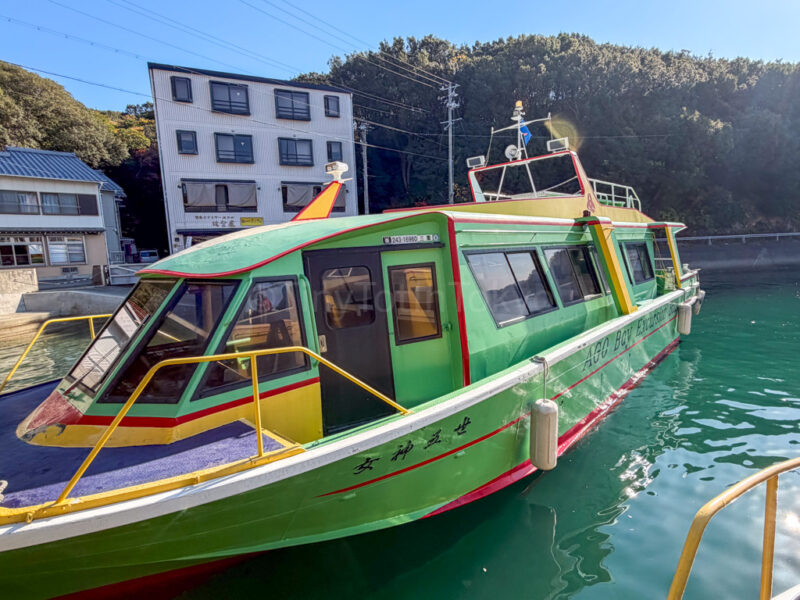
We chose the smaller speedboat, which covered a larger route than the Spanish ship. The boat ride itself was really nice, and the islands were very lush and serene. You can also see various oyster farms from the boat.
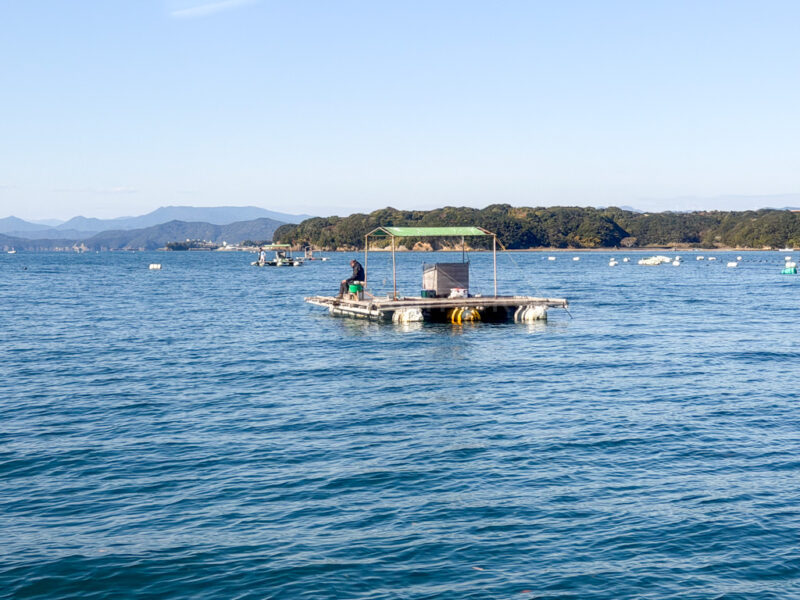
The tour guide only spoke Japanese, although this didn’t bother me too much. The cruise lasts about 50 minutes.
Afterwards, we drove up to Yokoyama View Point, which is where you can see all the tiny islands that help make up Ise-Shima National Park. It was very beautiful.
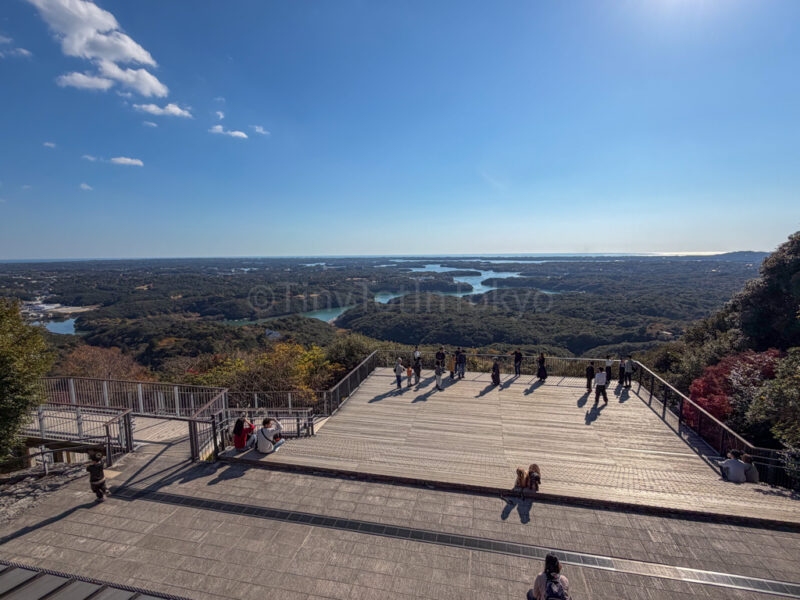
You can walk up to other viewpoints like Soyofu Terrace, which took us about five minutes, and Miharashi. A sign said you can see Mount Fuji from Miharashi when it’s good weather, but we couldn’t. So, I think the best view is from Soyofu.
The last place we visited was Shima Spain Village, also known as Spain Mura, a Disney-like Spanish theme park.
It was funny (not in an offensive way), cute, and delightfully over-the-top. There were several rides and shows, with lots of fun things for kids as well as enough wild-looking roller coasters to satisfy anyone in need of a thrill.
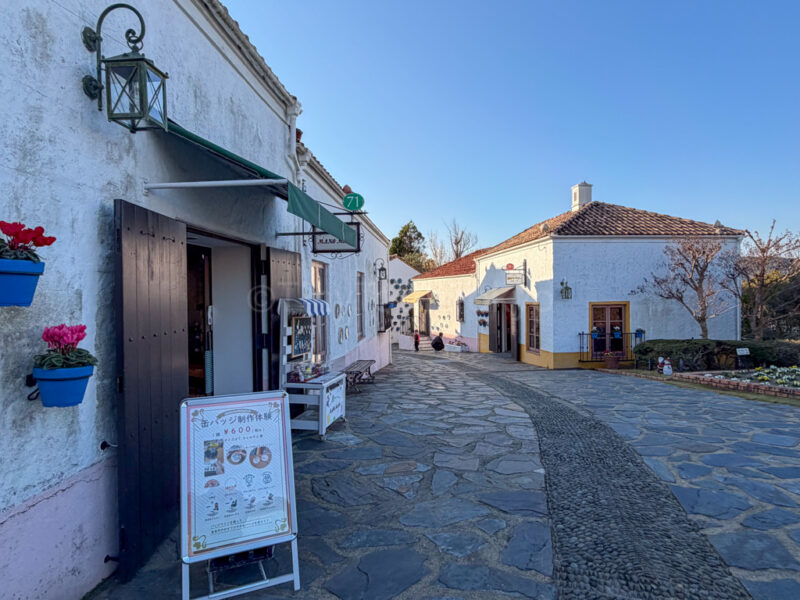
I’m not a fan of rides, so I only went on one coaster and walked around. My sister and her daughter went on many of the rides, though, so we ended up spending four hours here.
Spain Mura closes at 5 PM, so if you want to go, make sure you get there by 2 PM at the latest.
If you’re into more thrilling theme parks, a better place to visit is Nagashima Spa Land. This amusement park has Guinness World Record-breaking rollercoasters. It’s really far from Shima, though, so I suggest going on a separate day, which is what my sister did. I haven’t been (I don’t like amusement parks), but my sister said it’s amazing.
My Overall Thoughts on Visiting Mie Prefecture
Overall, visiting Mie was phenomenal. It’s genuinely one of the coolest places I’ve been in Japan and really retains a truly authentic and traditional vibe that is very much its own.
I left with far more knowledge than I expected to gain from a single trip. And honestly, after visiting Ise Jingu, maybe even a little enlightenment, too.
If you’re interested in gaining a deeper understanding of Japan’s ancient Shinto traditions, I think Mie is a must-see destination. It’s one of the country’s most sacred prefectures, and I feel blessed to have had the opportunity to visit this place with my family.