
Driving in Japan: Essential Tips from a Local
Last Updated on May 11, 2026 by Kay
This post may contain affiliate links, meaning I may earn a small commission on any purchases through those links at zero additional cost to you. Whatever I make goes to keeping this website running and I am forever grateful for the support. See my Privacy Policy for more information.
Thinking about driving in Japan but wondering what you should know before you get behind the wheel?
Although the act of driving a car is similar across many countries, other important aspects, such as the rules of the road and driving conditions, can be quite different. It’s something I’ve gotten used to after living here for almost twenty years and going to driving school in Japan after my Canadian license expired (long story), but it can definitely be overwhelming for those driving in Japan for the first time.
In this article, I’ll share what I think tourists should know before driving in Japan, from renting a car and preparing the right documents to understanding road signs, toll roads, parking, and local driving habits.
Hopefully, this information will help you feel prepared and make your trip easier!
Table of Contents
Renting a Car in Japan
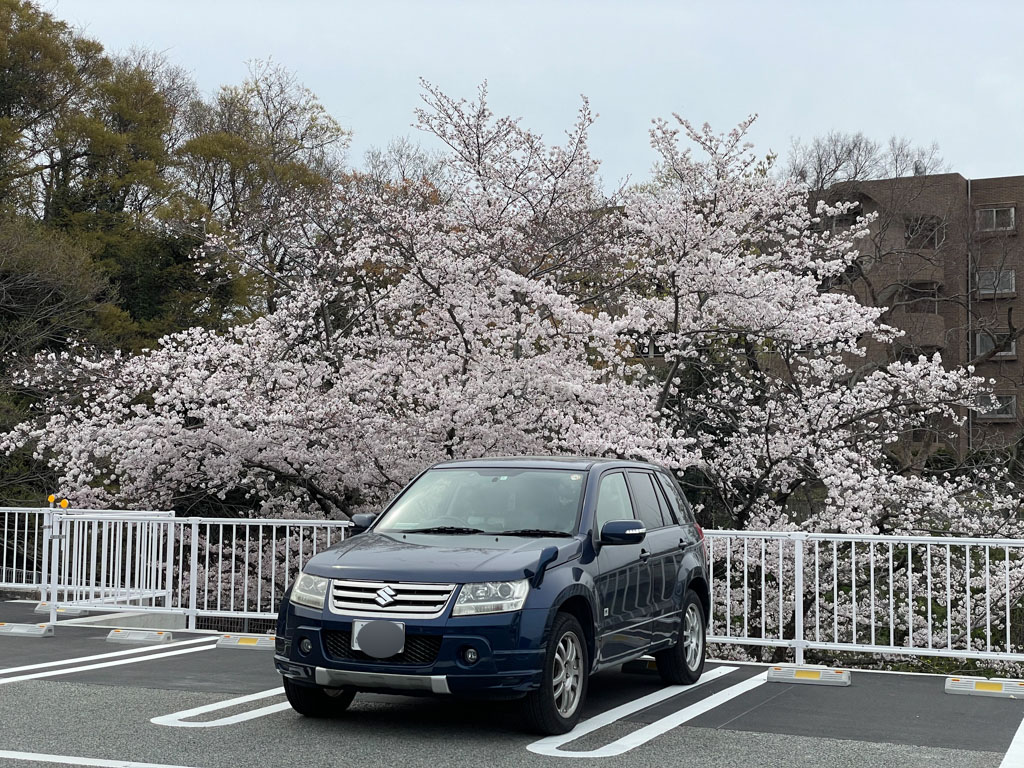
If you’re planning to drive in Japan as a visitor, renting a car is usually the easiest option. This is especially true if you want to explore rural areas, smaller towns, mountain regions, or places where public transportation is limited.
If you’re looking to rent a car in Japan, I suggest booking through companies that are used to working with international drivers, especially if you don’t speak Japanese.
Sites like DiscoverCars, GetRentacar.com, and Klook can be helpful because they let you compare rental options and are generally more familiar with travelers using international driver’s permits.
You can also rent directly from Japanese rental car companies, especially at airports, major train stations, and popular tourist destinations. However, depending on the location, English support may be limited. This is especially true in smaller towns or rural areas, so I would check in advance if you’re worried about communication.
When you pick up your rental car, make sure you have:
– Your passport
– Your valid driver’s license from your home country
– Your International Driver’s Permit, if required
– A Japanese translation of your license, if you’re from a country that requires one
– A credit card in the driver’s name
We once saw some tourists be denied their car rental because they didn’t have their passports with them. I’m guessing they had left their passports in luggage stored at their hotel, but this is not something I recommend doing in Japan. If you’re a foreign visitor, you should always have your passport on hand anyway, and you’ll definitely need it when renting a car.
Before finalizing your rental, I also recommend checking whether the car comes with or offers:
– An ETC card for toll roads
– English GPS or navigation support
– A rearview camera
– Child seats, if you’re traveling with kids
– Snow tires or chains if you’re driving somewhere snowy in winter
– Insurance coverage, including how much you’d have to pay if there’s an accident
– One-way drop-off, if you want to return the car in a different city
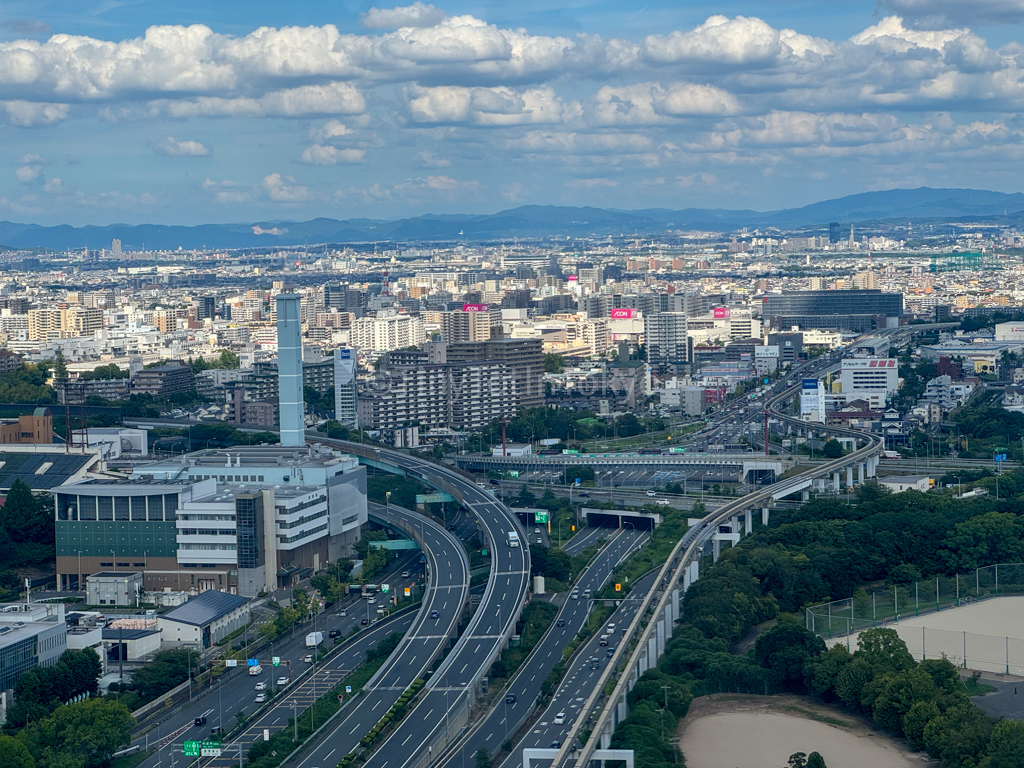
If you’re nervous about driving in Japan for the first time, I would avoid picking up your rental car in the middle of Tokyo, Osaka, or Kyoto. The roads and traffic in these cities are quite intense, and I say this as someone who has lived and driven in these cities.
Starting from an airport (what we do) can make things much less stressful, especially while you’re getting used to driving on the left side of the road.
Get an International Driver’s Permit Before Coming to Japan
If you’re coming from abroad, make sure to check what kind of driving document you need before arriving in Japan.
Many visitors need an International Driver’s Permit, which must be issued in your home country before you arrive in Japan. You cannot get one after arriving in Japan, so this is something you really need to prepare in advance.
Those visiting from countries such as Germany, Belgium, Switzerland, France, Taiwan, and Monaco may be able to use their driver’s license from their home country, but they also need a Japanese translation of their license.
I recommend double-checking the current requirements before your trip because the rules depend on where your license was issued. The last thing you want is to arrive at the rental car counter and find out you can’t legally drive.
Essential Tips for Driving in Japan
Once your rental car and documents are sorted, here are the main things I think you should know before driving in Japan.
1. Left or Right? Stay on the Left Side of the Road
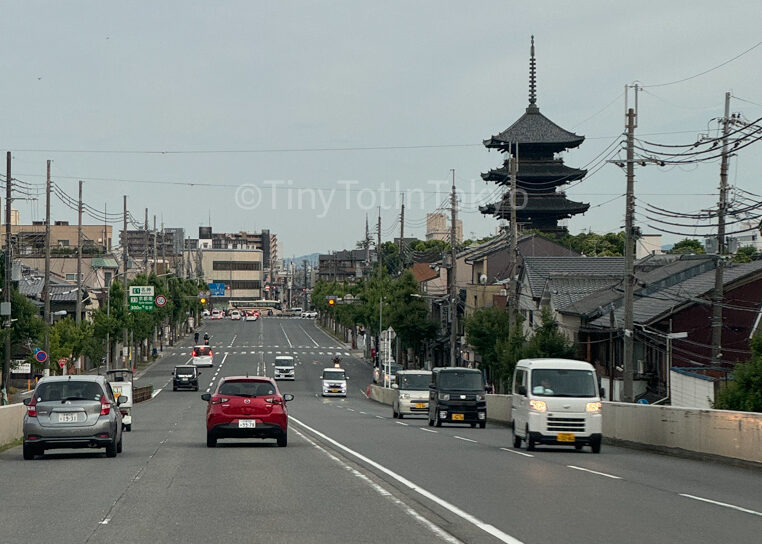
In Japan, people drive on the left side of the road and the driver sits on the right side.
This is especially important to remember when making left and right-hand turns! Note that if you’re making a right-hand turn, you must yield to oncoming cars.
If you’re used to driving on the right side of the road, I recommend taking things slowly at first. It can take a little while for your brain to adjust, especially at intersections or when pulling out of parking lots. A helpful reminder is that the driver’s side should usually be closest to the center of the road, not the curb.
On that note, I should point out that many roads in Japan don’t have a wide median or center divider separating oncoming traffic, so cars can feel much closer than you might be used to.
2. Be Cautious of Narrow Roads
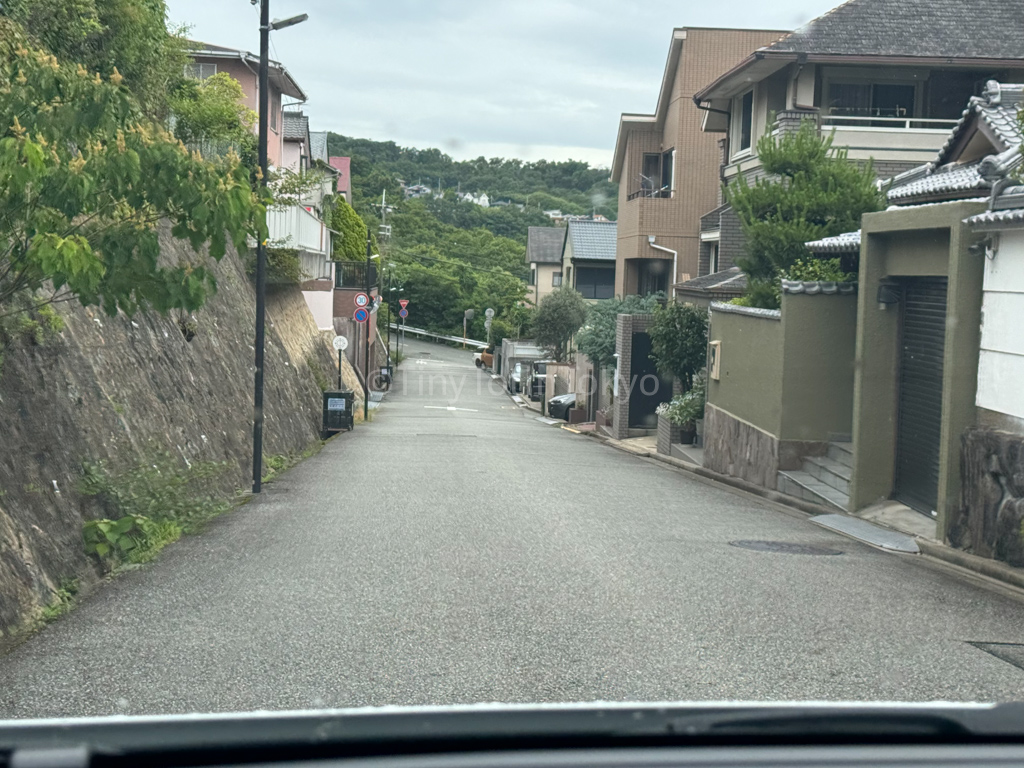
Roads in Japan are quite narrow. Sometimes a road might seem like it’s for one-way traffic but it’s actually a two-way road!
I remember feeling quite intimidated by this when I first started driving in Japan because a Japanese two-way road on a main street is sometimes the same width as a one-way residential road in Canada.
If you’re on a road that’s technically two-way but too narrow to let an oncoming car pass, one of you has to back up enough to give way for the other. Sometimes there’s a small pocket on the side of the road just for this purpose. Folding in your side mirrors can help, too.
Also, be very careful not to get stuck in a drainage canal. Back when I lived in the countryside in Yamaguchi Prefecture, a friend’s tire got stuck in one, and needless to say, it wasn’t great! (We liked to joke that these were “gaijin traps”.)
3. Be Careful of Cyclists
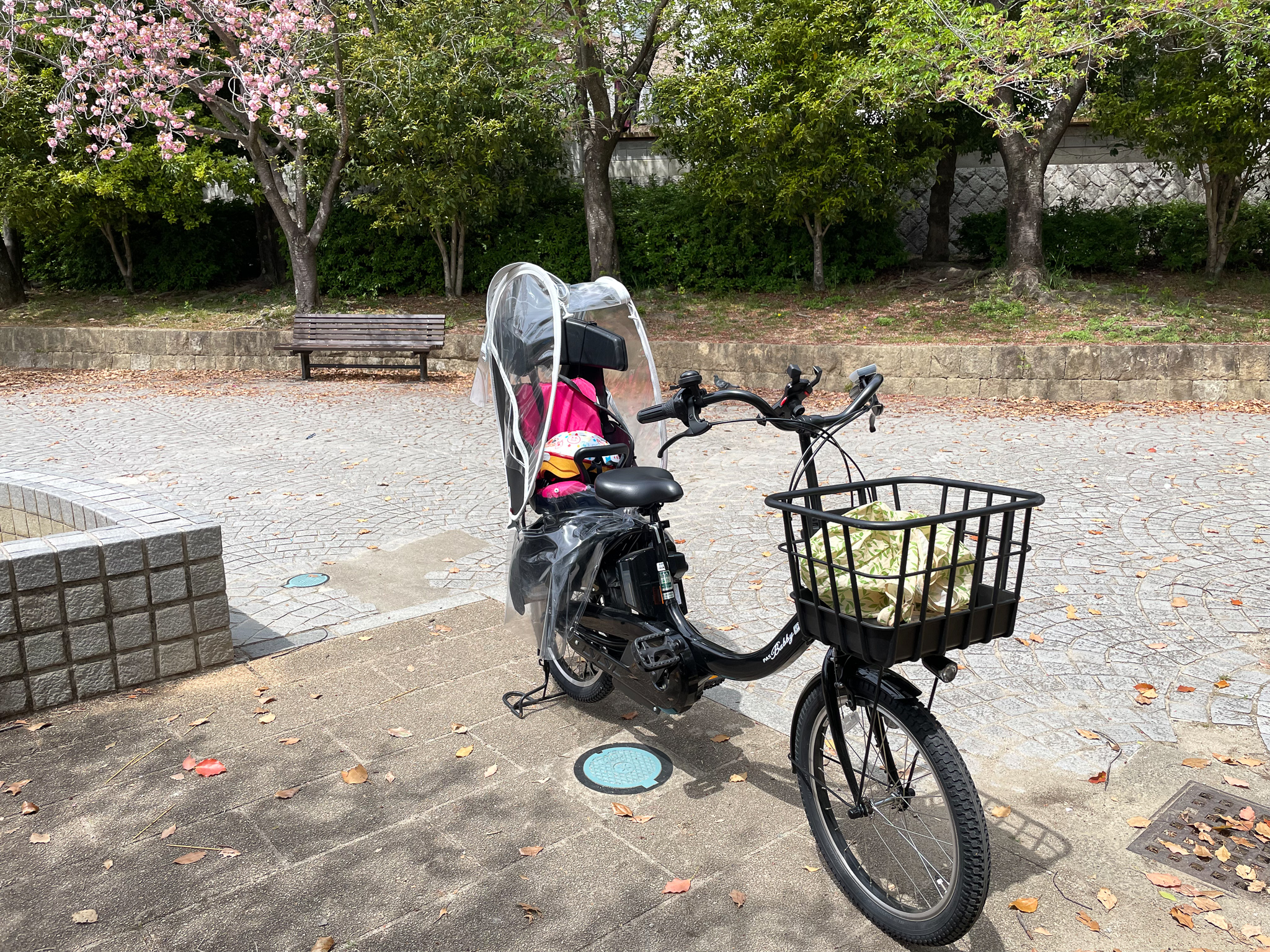
To add to the stress of narrow roads, there are lots of cyclists in Japan, and they often ride on the road.
They can really sneak up beside you, usually on your left, so make sure to be careful, especially when you’re making a left turn. The last thing you want to do is hit someone!
This is one of those things that becomes easier with practice, but when you’re new to driving in Japan, it’s worth being extra cautious.
4. Don’t Necessarily Do as the Locals Do
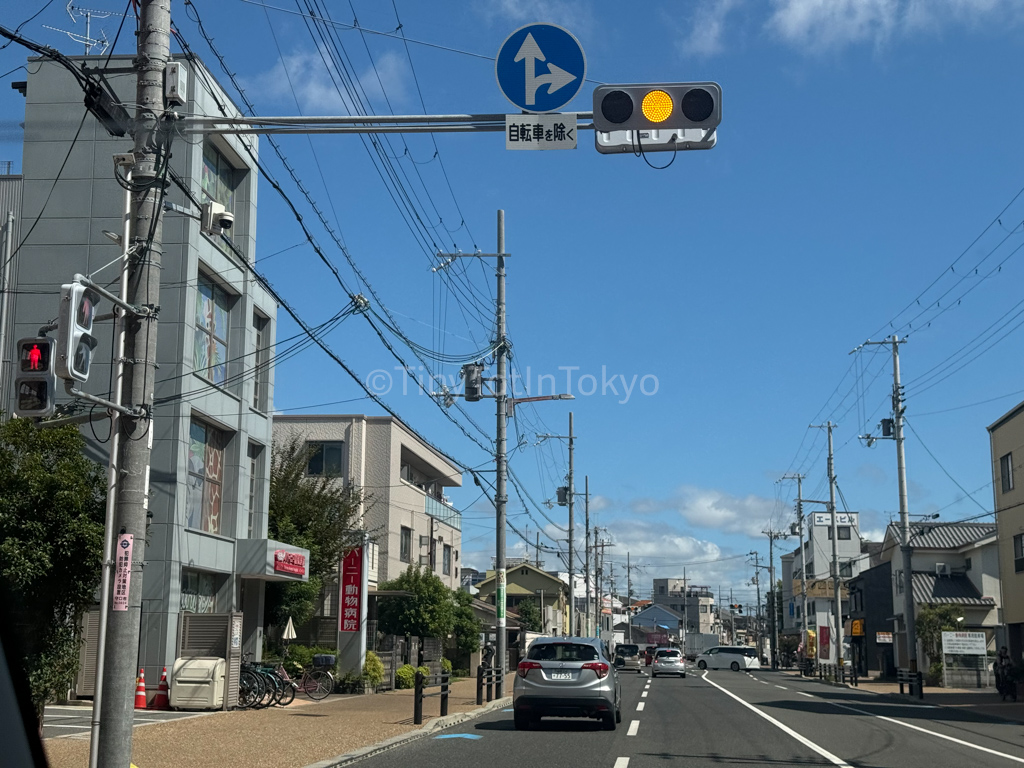
You know that saying, “When in Rome, do as the Romans do”? Well… that isn’t necessarily the case when it comes to driving in Japan.
You might notice some interesting, perhaps surprising, things when you drive in Japan. For instance, people tend to speed up when the light turns yellow, despite being taught in Japanese driving school to slow down.
Similarly, people tend not to stop in front of crosswalks even though someone may be waiting to cross. And I can’t count the number of times someone has casually stopped their car on the side of the road to drop off or pick up something from a store or someone’s house.
You’re not supposed to do any of these things, by the way.
So in certain cases, use your judgment and don’t do as (some of) the locals do.
Please stop if you see someone waiting to cross the street. Don’t park on the side of the road so you can grab something from the convenience store. Slow down when there’s a yellow light. If the light turns yellow and you’re able to stop safely, you should stop in front of the light at the stop line.
5. Turning on Red Lights
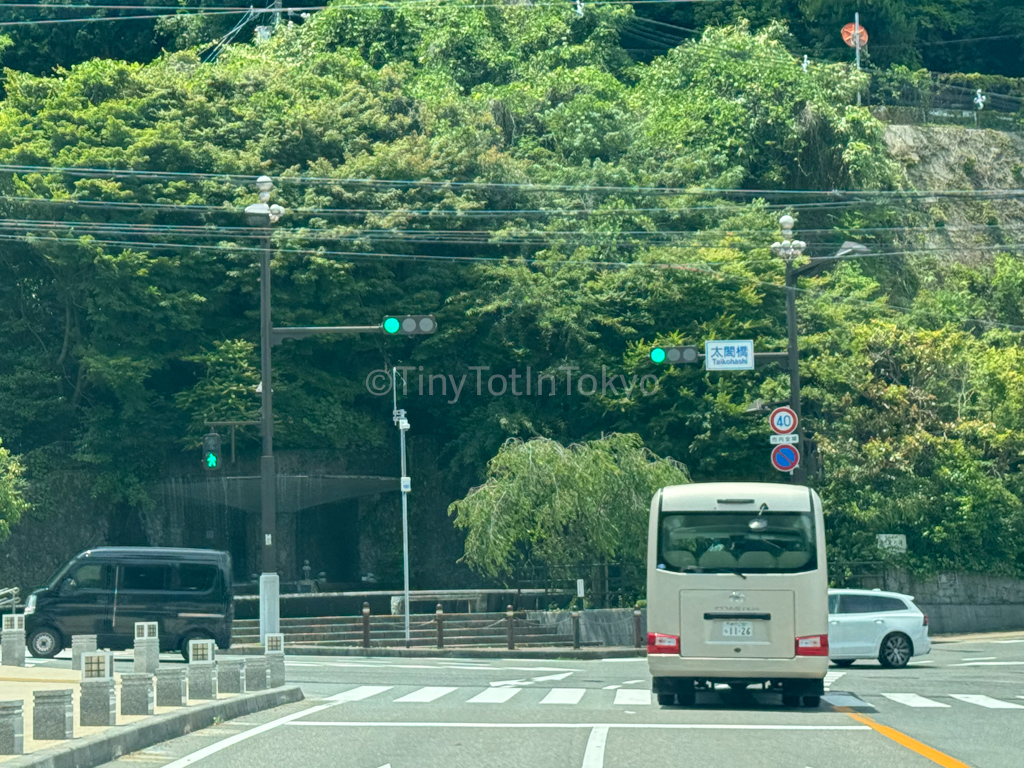
Unlike in some other countries, in Japan, you cannot turn when the light in front of you is red. You can only make a right or left turn when the light in front of you is green, unless there is a specific sign or signal saying otherwise.
For instance, you might come across a red traffic light with a green arrow underneath it pointing in a specific direction. In that case, follow the green arrow. If the arrow is pointing right, you can turn right even though the main light is red. Just make sure you still watch for pedestrians, cyclists, and any other traffic before turning.
This can be an adjustment if you’re from somewhere where turning on red is common, so keep it in mind when you’re at intersections.
6. Park Perfectly
Parking spaces in Japan are quite small and can be challenging, so make sure you park as perfectly as possible so that you don’t inconvenience others.
I was really surprised by the precision of parking when I first moved to Japan, but now I try my best to do the same.
So what does parking perfectly mean? Your car should be parked right in the middle of the parking space. Don’t park closer to the left side or right side of a parking space, because this might prevent the car parked next to yours from opening its door.
You will also notice that people back into parking spaces because it’s easier to get out. Many cars in Japan nowadays have a rearview camera that shows you the area behind your car to help prevent accidents, especially when backing into a parking spot. I have this feature on one of my cars, and I love it because it helps so much! It also beeps at me if I’m too close to something.
I highly recommend looking for this feature if you buy or rent a car in Japan.
7. Understand Japanese Road Signs
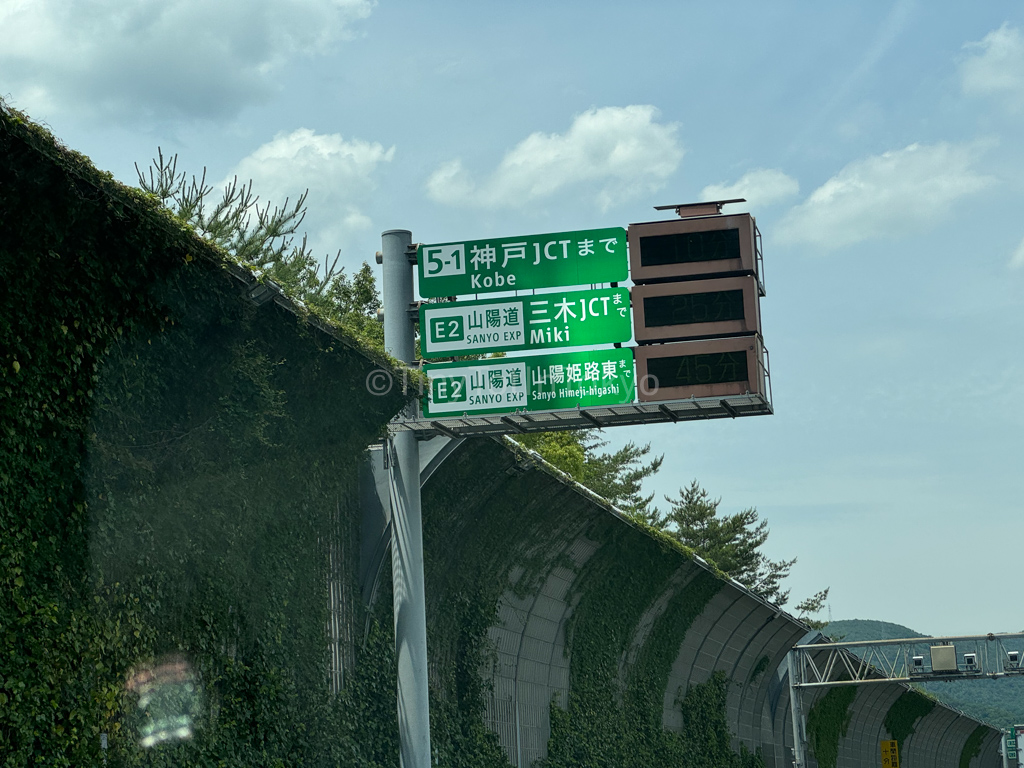
Road signs in Japan might differ from those in your home country. Make sure you read up on what these signs look like and what they mean before you drive.
For instance, the red triangular yield sign in Canada and the US means stop (止まれ) in Japan!
The more rural you travel in Japan, the more likely you are to find signs that are in Japanese only. This is another reason why it helps to prepare before your trip rather than trying to figure everything out on the road.
8. Know the Meaning of Signs or Marks on Cars in Japan
There are four different marks you might notice on both the front and back of cars in Japan. These help others know what kind of driver is operating the car.

This is called a shoshinsha (初心者) mark and indicates a new driver. They are required to keep this mark on their car for one year after they get their driver’s license.

This is a koureisha (高齢者) mark, which is used by senior drivers ages 70 and up.

This is an aurally challenged mark, which is used by drivers who have difficulty hearing.

This is a physically challenged mark, used by drivers with physical disabilities.
If you want to purchase these marks, which are magnets that you stick onto the front or back of your car, you can find them for sale at 100 yen stores in Japan.
9. Know Speed Limits in Japan
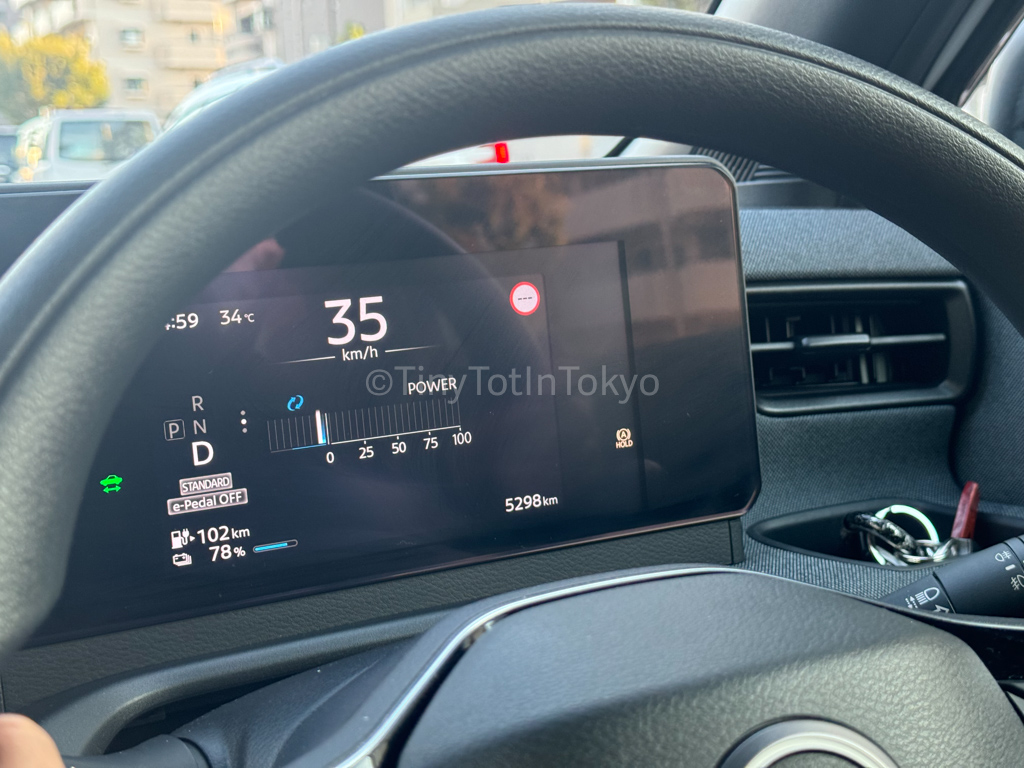
Car speed in Japan is measured in kilometers.
Usually, there will be a sign along the road telling you the speed limit. If you don’t see one, there are general maximum speed limits that apply depending on the type of road.
On many ordinary roads, the maximum speed limit is 60 km/h unless otherwise indicated. On expressways, speed limits vary, so pay attention to the posted signs.
Below is an image of the speed limit on a national expressway, which is 80 km/h.
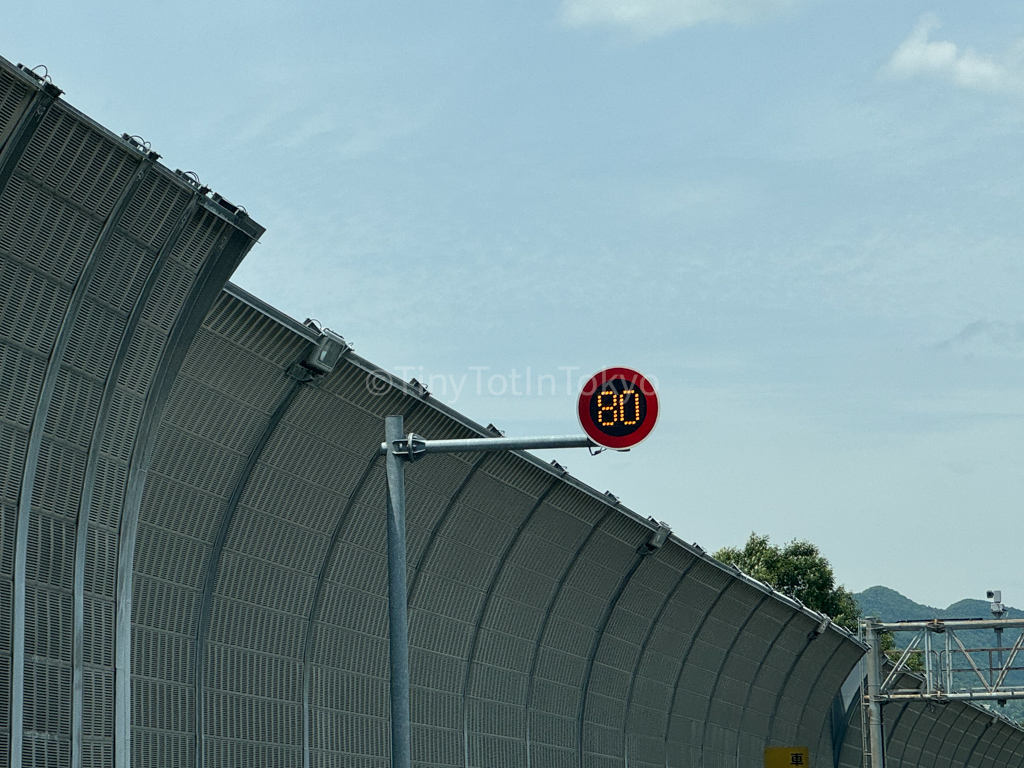
Unless otherwise indicated, the minimum speed limit in main through lanes of national expressways is 50 km/h and the maximum speed limit is 100 km/hr.
You might notice more often than not that drivers in Japan go over the speed limit. Try not to do this. The last thing you want is to get a speeding ticket in a foreign country.
At the same time, try not to drive substantially below the speed limit either, such as going 50 km/h on a 60 km/h road when conditions are normal, because that can also frustrate other drivers and disrupt traffic flow.
10. National Expressways Cost Money
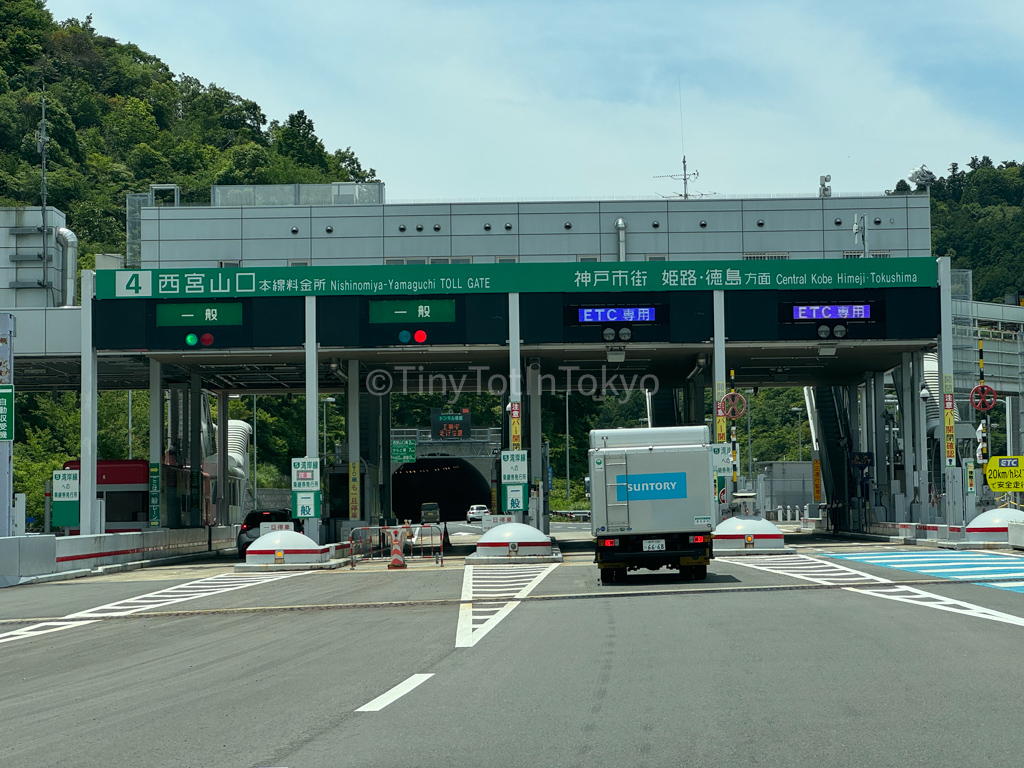
National expressways in Japan are not free. You need to either pay tolls in cash or use an ETC card.
ETC cards are quite beneficial because the toll gates read the card as you drive through, allowing you to pay without stopping. You should still slow down to 20 km/h when passing through ETC lanes.
If you don’t have an ETC card in your car, do not go through the ETC lanes.
If you’re renting a car, ask the rental company whether an ETC card is available. This can make expressway driving much easier, especially if you’re taking a longer road trip.
11. Rest at Michi-no-Eki
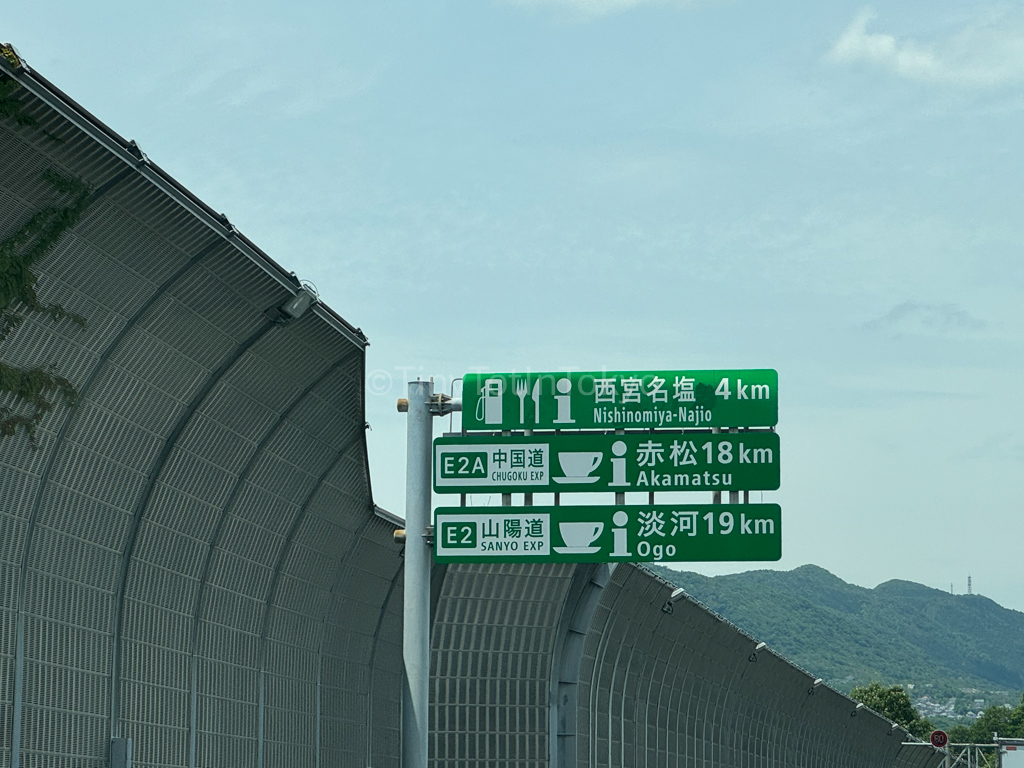
When you’re driving on expressways, make sure to take breaks at service areas or parking areas. These usually have bathrooms, vending machines, restaurants, souvenir shops, and sometimes gas stations.
If you’re driving on regular roads, you may also come across Michi-no-Eki, or 道の駅, which are roadside stations. These are great places to stop because they often have local food, souvenirs, bathrooms, and information about the area.
I actually really like stopping at places like this because they often sell snacks or products from the prefecture you’re in. It makes road trips in Japan more fun, and it’s a nice way to break up a long drive.
Actually, my daughter went on her very first Ferris wheel ride at a Michi-no-Eki!
12. Stop at Railway Crossings
In Japan, you must always make a complete stop right before a railway crossing. There’s usually a white line to tell you exactly where to stop.
Look both ways before crossing.
If the railway alarm starts sounding, indicating that a train is approaching, do not try to cross in an attempt to beat the crossing gates while they’re lowering. This is extremely dangerous, especially since you might get stuck in the middle of the tracks.
In the worst-case scenario, there is an emergency button on the alarm pole but you shouldn’t ever put yourself in a situation where you have to use it.
13. Know How Gas Stations Work
When it comes to filling up your car with gas, Japan offers two kinds of gas stations.
One is full service, where gas station attendants will fill up the car for you and may offer additional services such as washing your windshield.
The other is self-service, which is called セルフ(serufu) in Japanese.
In terms of types of gasoline in Japan, there’s regular (レギュラー・regyura), high-octane (ハイオク・haioku), and diesel (軽油・keiyu).
If you’re renting a car, make sure you know what type of fuel the car takes before you drive away. Putting the wrong fuel in your rental car is definitely not a problem you want to deal with during your trip. And make sure to completely fill up your tank before returning it.
14. Don’t Drink and Drive
I think we all know that we shouldn’t drink and drive, but Japan is extremely strict when it comes to drinking and driving.
Unlike in some other countries, like Canada, you cannot have a single drop of alcohol if you’re going to be operating a vehicle afterward. It’s illegal and people get their licenses revoked for it.
So do not even take a sip of alcohol if you’re driving!
15. Use Hazard Lights
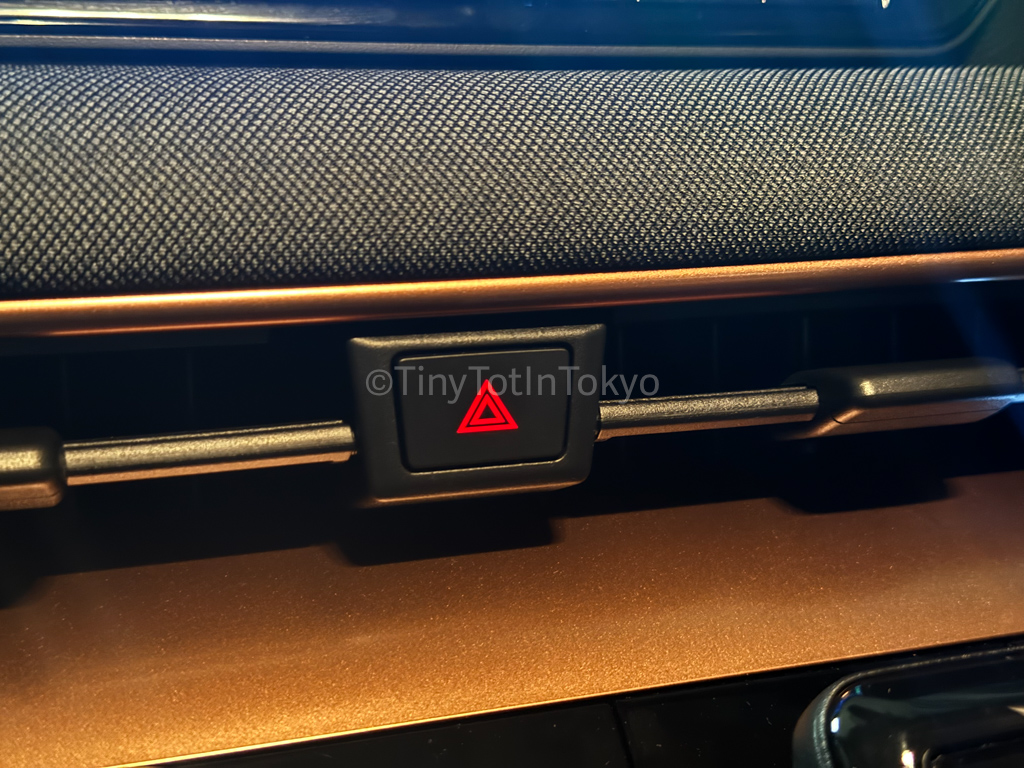
If you need to stop on the side of the road, make sure you use your hazard lights.
You can also use your hazard lights to thank another driver if they give way. This is quite common in Japan, and you’ll probably notice other drivers doing it.
16. Using Navigation Systems in Japan
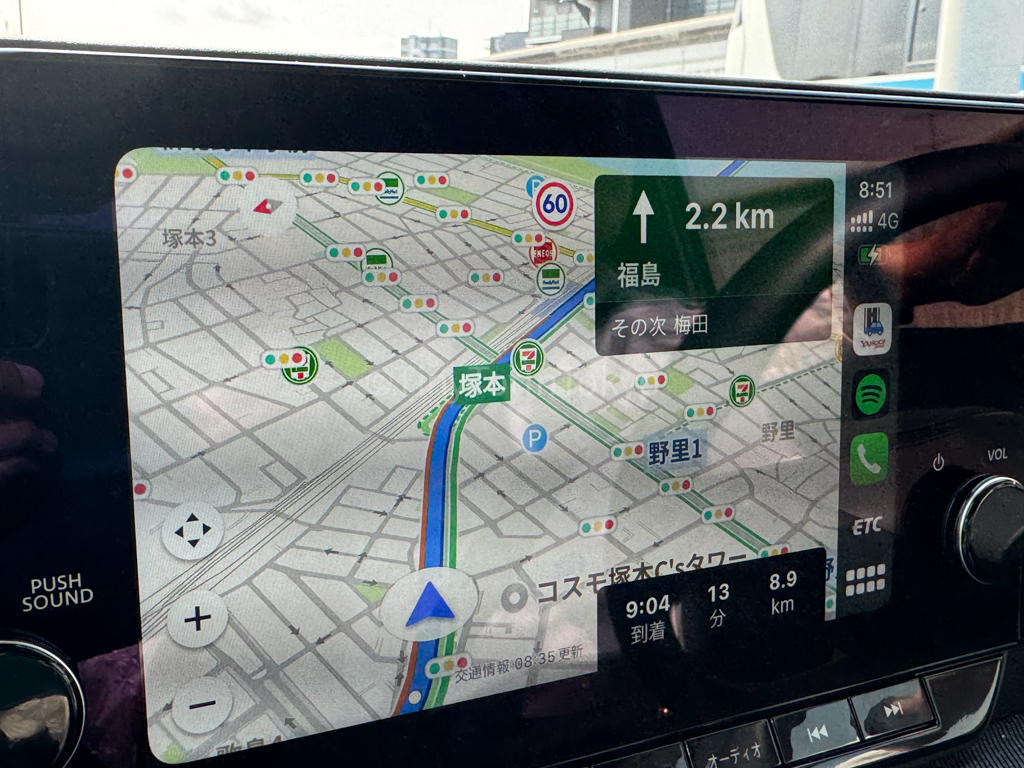
Most cars in Japan have built-in navigation systems. Some you can change into English but the road names might still be in Japanese or the English translations might be a little off.
Google Maps works fine but I find that sometimes it takes me on weird routes or really narrow one-way streets so it’s not perfect.
If you want a phone holder to hook onto your car so you can see Google Maps, check out any 100 yen store in Japan.
I also recommend checking your route before you start driving, especially if you’re going somewhere rural. It’s much easier to notice a strange route before you leave than when you’re already trying to navigate a narrow road with another car coming toward you.
17. Driving with Kids in Japan
If you’re considering driving with children in Japan, there are some important rules and regulations to keep in mind.
You’ll want to make sure your rental car has the right child seat or booster seat, and you should reserve this in advance rather than assuming one will be available when you arrive.
I’ve written an article on what to know when driving in Japan with a child so please give it a read if you’re planning a family road trip.
18. Try to Avoid Driving in Big Cities like Tokyo
Big cities like Tokyo are a nightmare to drive in due to congestion and high parking fees.
The public transportation system in Tokyo is excellent and you’re likely to get somewhere faster by taking the train than driving. The same applies to many parts of Osaka, Kyoto, and other major cities.
Save driving in Japan for rural areas, smaller towns, scenic road trips, and places where a car actually makes your trip easier.
Wrap-up: What to Know When Driving in Japan
There are many things to be aware of when driving in Japan, but if you prepare in advance by checking the rental requirements, getting the right driving documents, and reading up on the basic rules of the road, you’ll be in a much better position.
Japan is a beautiful country to drive in, and having a car is a great way to escape the crowdedness of big city life and explore more freely.
If you would like recommendations on where to travel in Japan by car, read this article. It’s targeted toward families, but even if you don’t have children, these are great spots to visit by car for people of all ages.